15 Living Room Paint Color Ideas to Transform Your Space with the Perfect Shade
When it comes to decorating your living room, the color of your walls can make a huge difference. A well-chosen paint color sets the tone for the entire room, creating the ambiance and atmosphere you desire. Whether you’re looking for a serene retreat, a cozy space to gather, or a bold statement room, the right paint color can transform your living room into a space that reflects your personal style. In this blog, I’ll walk you through a range of living room paint color ideas, providing you with tips on how to choose the best shade for your space.
Table of Contents
Best Living Room Paint Color Ideas
Here are the shortlisted color ideas:
1. Warm Neutral Base Colors
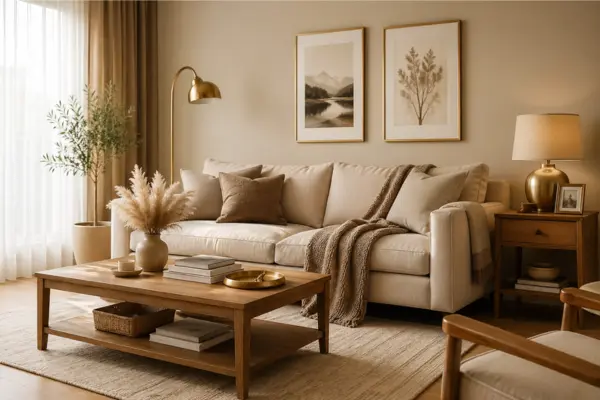
Warm neutral colors like beige and soft khaki provide a versatile and calming base for any living room. These shades create a welcoming atmosphere without overwhelming the space, allowing furniture and decor to stand out.
Why It Works
Neutral colors are timeless and work with almost any design style, from modern to traditional. They also help make the room feel more spacious and inviting, especially in smaller spaces.
Best For
Warm neutrals are ideal for anyone who loves a calming, serene atmosphere in their living room. They work great in both small and large spaces, especially when paired with colorful furniture and accessories.
Styling Tips
Pair neutral walls with rich wooden furniture and soft textiles like cushions or throws in deeper tones. Gold or brass accents, like lamps or picture frames, can also add a touch of luxury to the space. Keep the flooring light to maintain an airy, open feeling.
2. Earthy and Nature-Inspired Hues
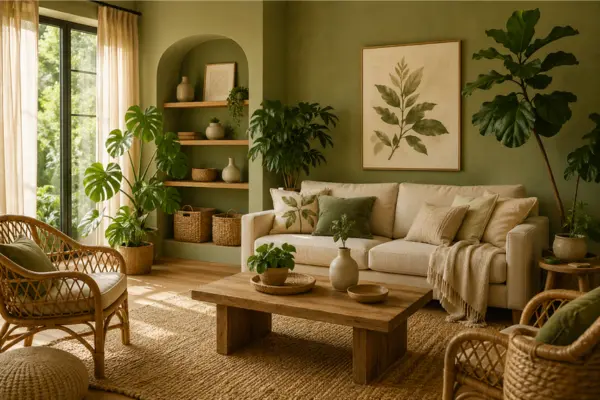
Earthy tones like olive green and muted greens bring a natural, grounded feel to your living room. These shades help create a tranquil space that feels connected to nature, perfect for relaxation.
Why It Works
Earth tones naturally evoke a sense of calm and relaxation. They bring the outdoors inside, adding a fresh and organic feel to your living room. This is perfect if you want to create a cozy, zen-like retreat in your home.
Best For
These colors are perfect for nature lovers or anyone who wants to create a sanctuary within their home. They work well in medium to large living rooms and are great for creating a calming space to unwind after a long day.
Styling Tips
Pair earthy greens with natural materials like wood, rattan, or jute for a cohesive, nature-inspired vibe. Add plenty of plants, from small potted ones to large leafy varieties, to enhance the organic feel. Light linen or cotton curtains work well to keep the room bright.
3. Soft and Calming Colors
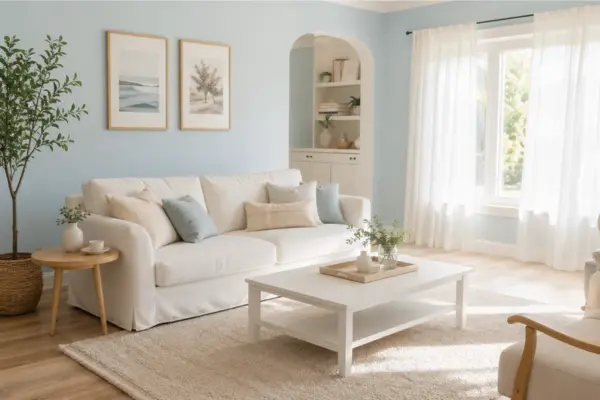
Soft pastel shades, such as light blues and warm whites, provide a light and airy atmosphere in your living room. These colors make the space feel peaceful and fresh, perfect for anyone who wants a calming retreat.
Why It Works
Soft colors can visually expand a room and create a feeling of lightness and freshness. These shades reflect natural light well, making small rooms appear larger and more open.
Best For
Ideal for people who love a serene, open space. Soft blues and whites are especially great for apartments or smaller living rooms where you want to avoid making the space feel closed off.
Styling Tips
Pair light pastel walls with white furniture or minimalistic designs to keep the space clean and open. Use soft fabrics in neutral tones to complement the light color palette. Add a touch of warmth with wooden accents or natural textures.
4. Rich and Moody Shades
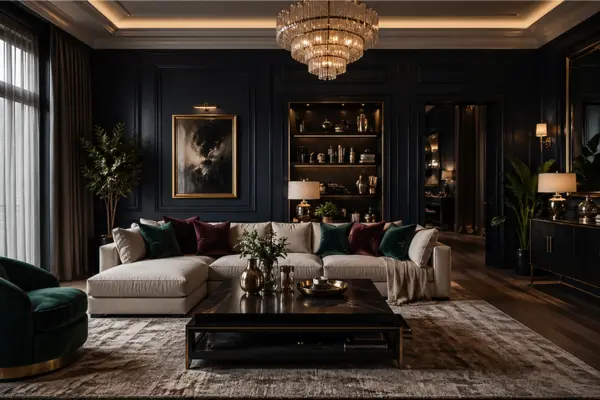
Deep, rich tones like midnight blue and dark chocolate brown create a luxurious and sophisticated atmosphere. These shades are perfect for adding drama and creating a statement room in your living space.
Why It Works
Moody colors can make a living room feel more intimate and cozy. They add depth and richness, creating a sense of sophistication and elegance. These colors are perfect if you want to create a more dramatic and inviting space.
Best For
These shades work well in larger living rooms or spaces with lots of natural light. They’re ideal for people who want a bold and luxurious feel in their home.
Styling Tips
To balance out the darker walls, choose light-colored furniture and rugs. Metallic accents, such as gold or silver, can bring a bit of sparkle and contrast. A combination of velvet cushions or throws and wooden pieces will make the room feel opulent.
5. Playful and Unique Accents
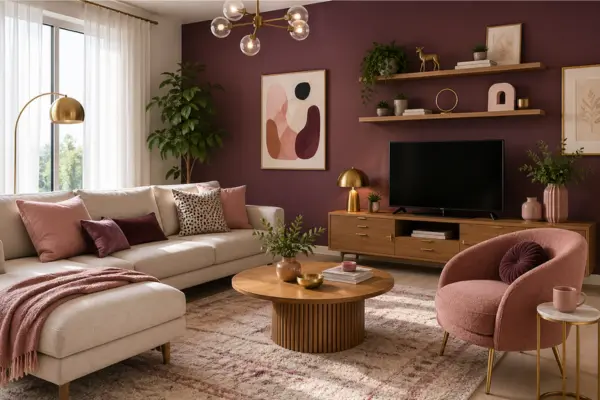
Muted tones of pink, like dusky rose, or deep plum can bring a fun and unique energy to your living room. These colors add personality and charm without being overwhelming, ideal for creating a playful vibe.
Why It Works
Accent colors allow you to inject personality into your space without committing to an entire room of bold color. These shades are bold yet subtle enough to work with many other colors in the room.
Best For
These colors are best for those who love a playful or quirky style in their living room. Accent walls in these tones are great for creating a feature area, such as behind a bookshelf or a TV.
Styling Tips
Use these colors for an accent wall behind a statement sofa or TV. Pair with neutrals like beige or white to balance the boldness. Soft gold or wood accents can complement the vibrant shades and keep the room looking elegant and inviting.
6. Bold Black and White
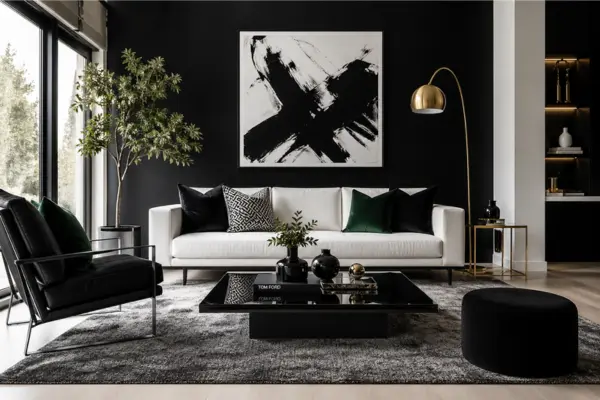
Black and white combinations are a timeless, dramatic choice for living rooms. The bold contrast creates a striking, high-contrast aesthetic, perfect for those who want a space with modern sophistication.
Why It Works
The black-and-white pairing offers a timeless, chic look. It works especially well in spaces with modern furniture and clean lines. The contrast between light and dark creates depth and visual interest without overwhelming the space.
Best For
This color combination is perfect for large living rooms or those with minimal decor. It’s a great choice for people who enjoy contemporary, bold designs, and want their living room to feel sharp and polished.
Styling Tips
To balance the strong contrast, choose sleek furniture pieces in neutral tones like gray or soft wood. Metallic or glass elements, such as tables or light fixtures, will complement the color scheme and elevate the room’s modern aesthetic. Add pops of color with art pieces or throw pillows to break up the monotony.
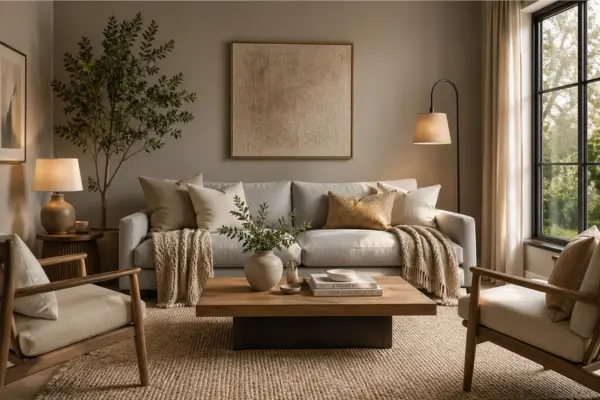
7. Soft Gray with Warm Undertones
Soft gray with warm undertones creates a gentle, inviting atmosphere in your living room. It’s a versatile color that works well in both modern and traditional settings.
Why It Works
Gray is a neutral color that provides balance and sophistication, while warm undertones like taupe or beige make the room feel more inviting and less cold. It’s a great middle ground between cooler grays and warmer tones, offering versatility for various design styles.
Best For
This shade is ideal for anyone looking for a subtle backdrop that works with different furniture and decor styles. It’s perfect for medium to large living rooms where you want a peaceful, calm environment.
Styling Tips
Pair soft gray walls with warm-toned wooden furniture and natural fabrics like linen or cotton. For added warmth, introduce cozy textures like wool throws, soft rugs, and plenty of throw pillows in complementary hues like taupe, ivory, or soft gold.
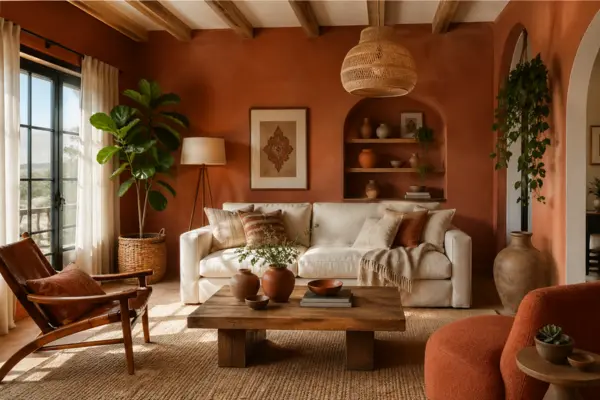
8. Warm Terracotta
Terracotta is a rich, earthy color that combines orange and red hues with brown undertones. It’s perfect for creating a cozy, inviting living room with a touch of rustic charm.
Why It Works
Terracotta has a natural, earthy feel, making it an excellent choice for creating warmth in your living room. This shade adds vibrancy without being overwhelming, and it pairs beautifully with natural materials like wood and stone.
Best For
Terracotta works well in medium to large living rooms with ample natural light. It’s ideal for those who want a more vibrant and earthy living space, particularly in homes with a bohemian or rustic style.
Styling Tips
Balance terracotta walls with neutral or light furniture to prevent the room from feeling too heavy. Incorporate natural textures like woven baskets, leather furniture, or wooden accents. Complement the room with plants, which thrive in this warm-toned environment.
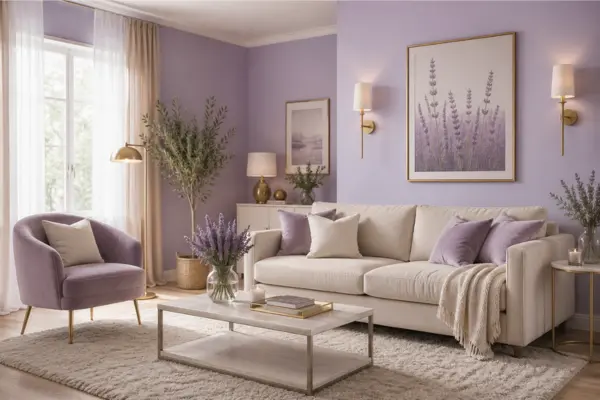
9. Soft Lavender
Lavender offers a gentle, soothing touch to your living room, blending shades of purple with soft undertones of blue. This color is perfect for anyone who wants a tranquil and uplifting space.
Why It Works
Lavender is a calming color that adds a subtle touch of color without being overpowering. It creates a light, airy feel while still providing enough depth and richness to make the space feel inviting.
Best For
Soft lavender works particularly well in smaller living rooms or those that don’t get much natural light. It’s a perfect option for people who want a peaceful, relaxing space that still feels fresh and welcoming.
Styling Tips
Pair lavender walls with white or soft beige furniture to keep the space light and airy. Use plush fabrics like velvet or chenille for a cozy feel. Incorporate gold or silver accents in light fixtures or picture frames to add a bit of elegance to the room.
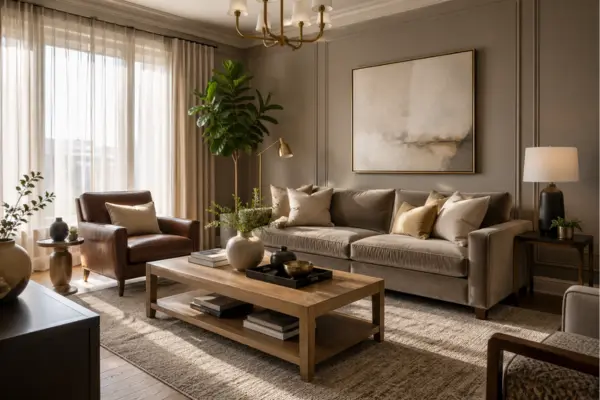
10. Elegant Taupe
Taupe is a versatile and sophisticated neutral that combines gray and brown. It has a refined, understated elegance that works perfectly in living rooms of all sizes.
Why It Works
Taupe is the perfect balance between warm and cool tones. It complements a wide range of furniture styles, from modern to traditional, and works well in both small and large living rooms. The subtle hue creates a soothing atmosphere without feeling too bland.
Best For
Taupe is a great option for those who love neutral shades but want something a bit more interesting than beige or gray. It’s especially great for those looking to create a timeless, elegant living room that can adapt to different décor styles.
Styling Tips
Combine taupe walls with rich fabrics like velvet or leather to add texture and contrast. For a more contemporary look, pair taupe with black, white, or metallic accents. Natural wood furniture also pairs beautifully with taupe, creating a balanced and welcoming space.
11. Tranquil Seafoam Green
Seafoam green, a soft and serene color, evokes a sense of calm and freshness in your living room. It blends blue and green tones to create a peaceful, beach-inspired ambiance, ideal for anyone who loves a tranquil retreat.
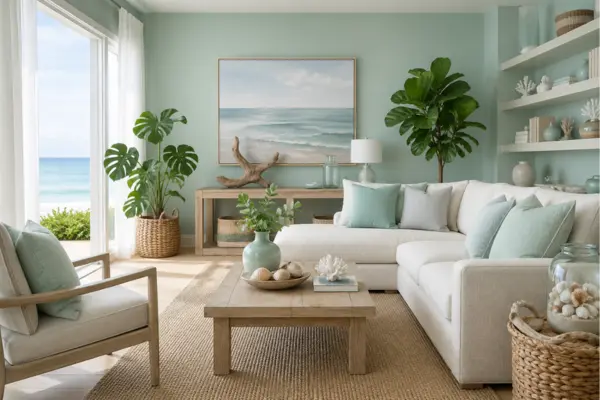
Why It Works
Seafoam green is versatile, blending both warm and cool tones. It creates a calming atmosphere, making it perfect for living rooms where you want to unwind and relax. Its light, airy feel also makes it great for smaller spaces.
Best For
Seafoam green is ideal for those who enjoy a coastal or nature-inspired theme. It works beautifully in smaller or medium-sized living rooms and is perfect for homes near the water or anyone who wants to bring a bit of the outdoors inside.
Styling Tips
Pair seafoam green with white or soft gray furniture for a fresh, clean look. Add natural textures, like linen or cotton, for a relaxed vibe. Incorporate nautical or coastal accents such as driftwood, seashells, and woven baskets to enhance the beachy feel.
12. Dusty Rose
Dusty rose is a muted, romantic pink that adds warmth and charm to your living room without feeling too bold. Its soft, vintage-inspired hue works beautifully for creating a cozy, inviting atmosphere.
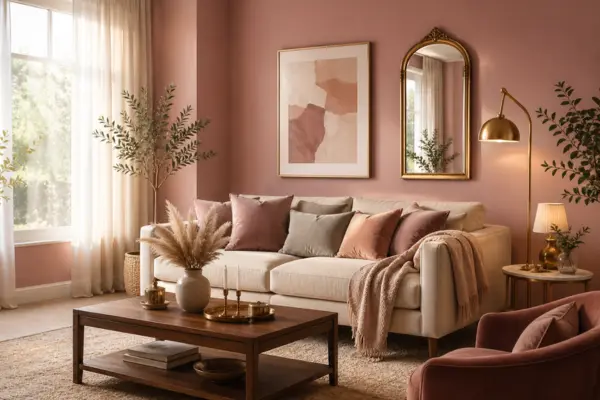
Why It Works
Dusty rose combines the warmth of pink with a soft, muted undertone, making it perfect for creating a welcoming environment. It adds just the right amount of color without overpowering the room, offering a gentle, sophisticated touch.
Best For
Dusty rose is ideal for people who want a warm and cozy living room with a subtle hint of color. It works well in medium-sized rooms and can easily be paired with a variety of furniture styles, from vintage to modern.
Styling Tips
Pair dusty rose with neutral-colored furniture, such as gray, beige, or cream, to balance the warmth of the walls. You can add gold or brass accents to bring out the vintage charm, along with plush velvet cushions or a soft throw for extra texture.
13. Soft Coral
Coral, a blend of orange and pink, brings energy and vibrancy to your living room. When toned down, soft coral adds a cheerful yet calming atmosphere, making it a great choice for a space you want to feel lively yet relaxed.
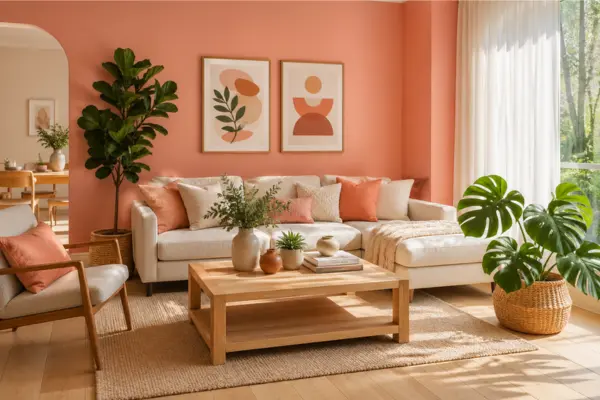
Why It Works
Soft coral combines the uplifting nature of orange with the calmness of pink, creating a warm, inviting space. It works well in spaces where you want to add a touch of vibrancy without overwhelming the senses.
Best For
Soft coral is ideal for those who want a lively yet relaxing space. It works well in medium to large living rooms and is perfect for families or anyone who enjoys a burst of color in their décor.
Styling Tips
Combine soft coral walls with neutral or light-colored furniture, such as cream sofas or light wood furniture. Pair it with greenery or potted plants to add freshness. Incorporate soft textures like cotton, linen, or wool to maintain a cozy vibe while balancing the warmth of the coral.
14. Rich Burgundy
Burgundy is a deep, luxurious red with hints of purple. It adds warmth and sophistication to your living room, creating a cozy, intimate environment perfect for family gatherings or quiet evenings.
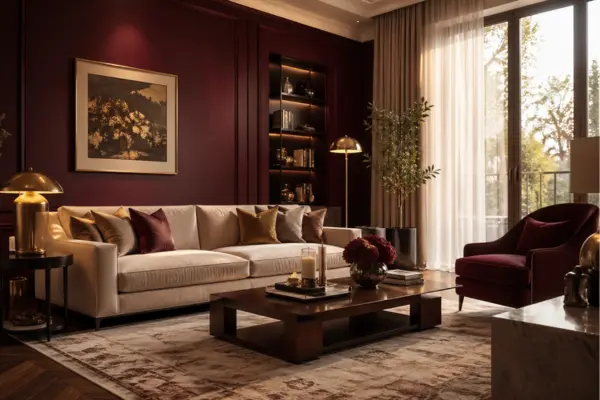
Why It Works
Burgundy is a bold, rich color that creates a cozy and dramatic atmosphere. It’s a great choice for larger living rooms that need a touch of warmth and depth. Burgundy pairs well with wood tones, metallic accents, and soft textiles.
Best For
This color works best in larger living rooms or spaces with plenty of natural light. It’s ideal for people who enjoy a luxurious, cozy feel and want to create an intimate space for entertaining or relaxation.
Styling Tips
Pair burgundy with neutral or dark wood furniture to enhance its richness. Use metallic accents in gold, bronze, or silver for a touch of glamour. Soft, plush fabrics like velvet or chenille in beige or cream will add a contrasting softness to the room’s bold hue.
15. Cool Charcoal Gray
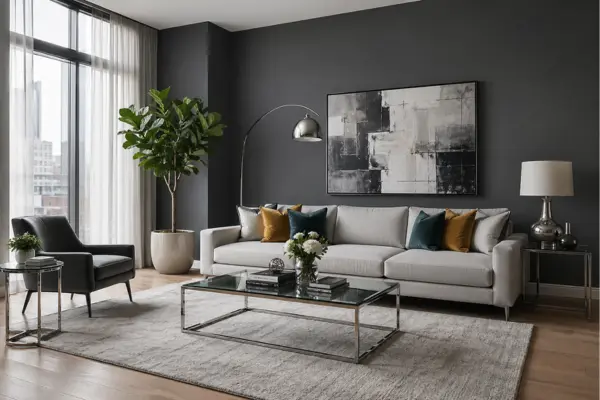
Charcoal gray is a modern, sophisticated color that works well in a wide range of styles. It offers a bold, edgy look while still remaining subtle and versatile, making it a great choice for a sleek and contemporary living room.
Why It Works
Charcoal gray is a timeless color that adds a touch of elegance to any living room. It pairs well with nearly any furniture style, providing a neutral backdrop that lets other design elements stand out.
Best For
Ideal for those who love modern, minimalist design. Charcoal gray works well in both small and large living rooms, offering a sleek, urban vibe. It’s perfect for people who want a bold, neutral backdrop that remains stylish and easy to decorate around.
Styling Tips
Pair charcoal gray with white or light-colored furniture to create a high-contrast, modern look. Incorporate pops of color through throw pillows, artwork, or area rugs to liven up the space. Metallic accents in silver or chrome will complement the modern vibe, adding a touch of elegance.
Mistakes to Avoid When Choosing a Living Room Paint Color
When it comes to choosing the right color, there are a few common mistakes to watch out for.
- Ignoring Lighting: The way a color looks in a store or on a sample card may be very different in your room. Always test the paint on a small area of the wall and observe how it looks at different times of the day with natural and artificial lighting.
- Choosing Too Many Colors: While it’s tempting to use a variety of colors, too many bold shades can make the room feel chaotic. Stick to a harmonious color scheme to keep things balanced.
- Forgetting About the Floor: Always consider your flooring when choosing a paint color. A deep brown floor might not pair well with a dark purple wall, but it could look stunning with a soft beige or grey.
- Overlooking Furniture Style: Think about your existing furniture. Dark or heavy furniture might get lost against dark walls, while light furniture can get overshadowed by bold, dark colors.
Conclusion
Choosing the right paint color for your living room is one of the easiest ways to transform your space. Whether you go for a calming neutral, a dramatic moody tone, or a fun accent color, the right shade will set the perfect mood for your living area. Be sure to consider the size of your room, your furniture, and natural light before committing to a color, and always test samples to ensure the shade works with your space. Remember, it’s not just about choosing a color — it’s about creating a living room that feels like home.
FAQs Section
1. What is the best living room color for a small space?
Light colors like soft blues, pale whites, or beige are great for small living rooms because they reflect light and make the space feel larger. Avoid dark, saturated colors, as they can make the room feel cramped.
2. Can I paint my living room dark colors if it doesn’t get much natural light?
Yes, but it’s important to balance dark colors with plenty of light-colored furniture, white trim, and soft fabrics. This will prevent the room from feeling too closed in.
3. Should I use the same paint color throughout my home?
While it’s not necessary to have the same color in every room, it’s important to maintain a cohesive palette throughout your home to create flow. You can use different shades of the same color or complementary hues to tie everything together.
4. How can I incorporate accent colors in my living room?
Use accent walls, cushions, rugs, or art to introduce bold, unique colors into your living room. This allows you to experiment with colors you love without overwhelming the space.