

15 Beautiful Bedroom Color Ideas to Transform Your Space
Your bedroom is the one place in the house that is entirely yours. It’s where you start your morning and end your night. So the color on your walls matters more than most people think. The right color doesn’t just look good. It changes how the room feels. It can make you feel calm after a long day, cozy on a cold night, or refreshed every single morning. That kind of feeling doesn’t happen by accident. It starts with choosing the right shade.
I’ve spent years helping people pick colors for their bedrooms, and I’ll tell you this — most people overthink it. They stare at paint swatches for weeks and still feel lost. That’s exactly why I put this guide together.
In this article, I’m sharing 15 beautiful bedroom color ideas. Each one comes with a clear explanation of why it works, who it’s best for, and simple styling tips you can actually use. Whether you love soft neutrals, deep moody tones, or warm earthy shades — there’s something here for you. Let’s get into it.
Table of Contents
15 Bedroom Color Ideas That Actually Work
Here are 15 tried-and-tested bedroom colors, broken down in a way that makes it easy for you to decide which one fits your space, your style, and your life.
1. Celadon Green
Celadon green is a soft, misty green with a slight gray undertone. It feels like a breath of fresh air in a bedroom. It’s the kind of color that makes a room feel like a quiet retreat — calm, clean, and easy to be in. If you’ve ever walked into a spa and felt instantly relaxed, celadon green gives you that same feeling at home.

Why It Works
This color sits in a sweet spot — it’s green enough to feel natural and fresh, but muted enough that it never looks loud or overwhelming. It doesn’t compete with your furniture or bedding. Instead, it creates a soft backdrop that makes everything else in the room look more pulled together. It’s especially effective in bedrooms because its cool, calm tone naturally signals rest and relaxation to your brain.
Best For
Celadon green is a perfect match if you love nature-inspired, spa-like spaces. It suits people who want something more interesting than plain white or beige, but still want their room to feel peaceful and light. It works in both small and large bedrooms, and it’s especially lovely in rooms that get soft morning light.
Styling Tips
- Use white or cream bedding to keep the room feeling airy and open.
- Bring in light wood furniture — oak, pine, or ash tones work beautifully.
- Add a few real or faux plants. The green tones connect the room naturally.
- For contrast, use small black accents like a lamp base or picture frames.
- Stick to warm white bulbs. Cool lighting can make celadon look too cold.
- Test a patch on the wall and check it in the morning and evening before committing.
2. Aegean Teal
Aegean teal is a balanced mix of blue and green. It feels peaceful and ocean-inspired, but it has enough depth and character to look genuinely stylish. It’s not too pale, and it’s not too bold. It sits right in the middle — confident without being overwhelming — which makes it one of the most versatile bedroom colors you can choose.

Why It Works
Teal naturally brings together two of the most calming colors in the spectrum — blue and green. That combination creates a mood that feels both refreshing and restful. Aegean teal specifically has enough warmth in it to avoid feeling cold or clinical. In the right light, it can look modern and chic during the day, then shift to something deeper and moodier at night — which is exactly what a good bedroom color should do.
Best For
This shade is great for people who find plain neutrals a little boring but aren’t ready to go full-on dark or dramatic. It works well in modern, coastal, and Scandinavian-style bedrooms. It’s also a solid choice for rooms with good natural light, where it really gets to show its full character.
Styling Tips
- Pair with beige, cream, and warm gray to keep things balanced.
- Use linen curtains and woven baskets to add texture without adding clutter.
- Add brass or gold hardware on drawers and doors — it makes the room feel polished.
- A chunky knit throw in cream or oat looks stunning against teal walls.
- Use warm bulbs rather than cool ones so the room stays cozy, not clinical.
- If you’re unsure, start with one teal accent wall and keep the rest light.
3. Inchyra Blue
Inchyra blue is a rich, moody blue-gray. It’s the kind of color you see in boutique hotels and luxury bedrooms. It has depth, quiet elegance, and a way of making a room feel like a proper sanctuary. It wraps around the room and creates this wonderful cocooned feeling — like the walls are gently pulling you in to rest.

Why It Works
Dark, sophisticated colors like Inchyra blue work in bedrooms because they create an immediate sense of calm and enclosure. They signal that this is a space meant for unwinding. The gray undertone keeps it from feeling too cold or too nautical. It’s bold enough to make a statement, but still relaxed enough to sleep well in. It also makes everything else in the room — white bedding, light wood, brass lamps — look sharper and more intentional.
Best For
Inchyra blue is made for people who want their bedroom to feel like a real escape. If you love the look of high-end hotels, moody interiors, or dark and dramatic spaces, this is your color. It works in medium to large bedrooms, and it’s particularly stunning in rooms with high ceilings.
Styling Tips
- Use crisp white bedding to create contrast and keep the room from feeling too heavy.
- Add charcoal or navy pillows and a soft throw for layered texture.
- Light wood furniture adds warmth and stops the room from feeling cold.
- A soft beige rug balances the cool tones on the walls beautifully.
- Frame simple artwork in black or thin metal frames — it looks clean and considered.
- Use warm bedside lamps. Overhead cool LEDs will flatten this color completely.
- Keep ceiling and trim bright white to open up the space, especially in smaller rooms.
4. Tarrytown Green
Tarrytown green is a deep, forest-like green. It’s rich, dramatic, and incredibly cozy. This is the color you choose when you want your bedroom to feel like a proper hideaway — somewhere that feels removed from the noise and busyness of the outside world. It’s bold, yes, but in the most grounded and natural way.

Why It Works
Dark greens have a unique ability to feel both dramatic and calming at the same time. Tarrytown green draws from nature — from pine forests, deep moss, and shadowed woodland — and that natural connection makes a room feel settled and secure. It adds serious visual weight to a space, which can actually make a bedroom feel more intentional and designed. When paired with warm textures, it becomes genuinely beautiful.
Best For
This color suits people who love earthy, nature-inspired, or slightly rustic interiors. It’s also great for those who love the look of dark and moody rooms but want to avoid black or navy. It works best in rooms with good lighting — either natural sunlight or well-planned layered lamps.
Styling Tips
- Pair with warm neutrals: cream, tan, camel, and warm white work perfectly.
- Use creamy bedding and a tan leather accent chair for a rich, layered look.
- Rattan, woven baskets, and natural wood tones tie the room together beautifully.
- Brass or gold accents add a warm glimmer that looks stunning against dark green.
- Add a mirror or glass lamp to reflect light and prevent the room from feeling too enclosed.
- Layer your lighting: ceiling light, bedside lamps, and a small floor lamp all together.
- If you’re nervous, start with just the wall behind your bed painted in Tarrytown green.
5. Preference Red
Preference red is a deep, grown-up red — rich and warm, not bright and loud. In a bedroom, it creates an intimate, cozy atmosphere that feels genuinely inviting. It’s the kind of color that makes a room feel special the moment you walk in. Used well, it feels romantic and layered. It’s not for everyone, but when it works, it really works.
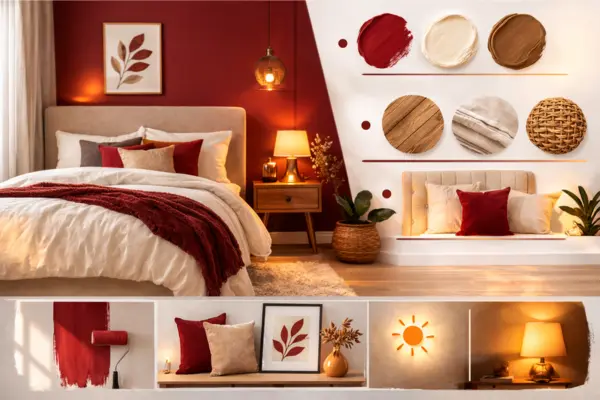
Why It Works
Deep reds are warm colors, which means they make a space feel physically warmer and more intimate. Preference red has enough depth that it reads as sophisticated rather than aggressive. It absorbs light in a way that makes a room feel enclosed and private — which is actually perfect for a bedroom. When balanced with calm, neutral tones, it becomes something genuinely beautiful rather than overwhelming.
Best For
This color is ideal for people who love bold, dramatic interiors and aren’t afraid of color. It’s especially well suited to romantic-style bedrooms or spaces where you want a strong personality. It’s best used in rooms where you can control the lighting carefully, and it suits people who are confident in their decorating instincts.
Styling Tips
- Balance red walls with creams, warm whites, and soft brown tones.
- Use natural textures — wood, linen, woven rugs — to keep the space feeling warm, not harsh.
- A simple headboard in beige or tan softens the boldness of the walls.
- Keep patterns minimal. Let the wall color be the main event.
- Use yellow-toned bulbs only. Cool bulbs make deep red look harsh and unpleasant.
- If you’re nervous, start with one accent wall and build from there.
- Test with red pillows or art first before committing to painting.
6. Dixon Brown
Dixon brown is a rich, chocolate-toned brown that makes a bedroom feel deeply warm and secure. It creates what I call a “cocoon effect” — the room feels like it wraps around you. If you want a space that feels cozy in every season, especially through autumn and winter, this color delivers that feeling better than almost anything else.

Why It Works
Brown is one of the most grounding colors in interior design. It connects to nature — to soil, wood, and bark — which makes spaces feel stable and safe. Dixon brown specifically has enough richness that it reads as high-end rather than flat or muddy. It absorbs light in a way that makes evening time in the bedroom feel particularly warm and intimate. As an alternative to black, it adds real depth without feeling harsh.
Best For
Dixon brown is a wonderful choice for people who love warm, enveloping interiors. It suits those who want a room that feels different from the stark white or pale gray trend — something that feels a little more personal and settled. It works well in rooms with warm artificial lighting and suits both contemporary and traditional bedroom styles.
Styling Tips
- Use cream, ivory, or soft beige bedding so the room doesn’t feel too heavy.
- Medium-toned wood furniture works beautifully here — or even black for a modern edge.
- Layer textures: a plush rug, velvet pillows, and a thick comforter make a huge difference.
- Brass or bronze metallic accents lift the look and add warmth.
- Plan your lighting carefully — brown absorbs light, so you need more of it.
- Add two bedside lamps and a warm overhead bulb.
- In smaller rooms, paint just one wall and keep the others in a warm cream or ivory.
7. Swiss Coffee
Swiss Coffee is a creamy, warm white that sits beautifully between pure white and a soft beige. It’s one of those colors that just works everywhere. It makes a room feel clean, soft, and welcoming without the harshness that some stark whites can carry. If you want a fresh and timeless bedroom, this is one of the safest and most rewarding choices you can make.

Why It Works
The slight warmth in Swiss Coffee prevents it from ever feeling cold or sterile. It reflects light beautifully, making rooms feel larger and brighter. Because it’s a neutral, it works with almost every furniture style, bedding color, and decor choice. It’s also incredibly forgiving — if you change your accessories or bedding down the line, Swiss Coffee still works. It’s the kind of background color that lets everything else shine.
Best For
This color is perfect for beginners, renters, or anyone who wants a flexible base that can grow with their taste. It suits minimalist, Scandinavian, coastal, and classic bedroom styles equally well. It’s a great choice for small bedrooms because it opens up the space without making the room feel empty.
Styling Tips
- Use beige, tan, and soft gray bedding for a calm and cozy feel.
- Add black accents — frames, lamps, a simple headboard — for a modern touch.
- Warm woods and woven baskets make the room feel lived-in and layered.
- Paint the trim a slightly brighter white for a clean, polished contrast.
- At night, warm bulbs make Swiss Coffee feel extra golden and inviting.
- This is a brilliant base color if you like to change your decor with the seasons.
8. Dark Crimson
Dark crimson is a step deeper than a standard red — it has a dramatic, jewel-like quality that makes a bedroom feel genuinely luxurious. It’s bold and rich, but when it’s paired with the right neutral tones and kept simple, it becomes something quite elegant. This is a color that makes a statement without you saying a word.

Why It Works
Crimson has long been associated with warmth, richness, and luxury — and dark crimson carries all of that in a more refined, modern way. It adds depth and visual weight to a room, making it feel purposeful and designed. Because it’s a warm color, it creates an inviting atmosphere rather than a cold or clinical one. The key is in the balance — pair it simply, and it shines.
Best For
Dark crimson is best for people who love glamorous, bold, or dramatically styled bedrooms. It works in rooms where you want to create a strong mood — something memorable and distinctive. It suits those who aren’t afraid of color and enjoy layering different textures and tones.
Styling Tips
- Pair with cream, warm gray, or beige to keep the room from feeling too intense.
- Add natural textures — wood, linen, and leather — to ground the color.
- Small gold or brass accents (a lamp base, a mirror frame) add a touch of glamour.
- Use lighter bedding so the room feels balanced rather than overwhelming.
- Soft, warm lighting is non-negotiable here. Cool bulbs will kill this color.
- Use dark crimson on one accent wall first if you’re hesitant about the full commitment.
- Repeat the color in small accessories — pillows or art — so it looks intentional.
9. Fawn Brindle
Fawn Brindle is a warm greige — a perfect balance between gray and beige. It’s one of the most versatile and forgiving bedroom colors you’ll ever come across. It never looks too cold, never looks too yellow, and never feels like it’s trying too hard. It’s the kind of color that simply makes a room feel right.

Why It Works
Greige colors like Fawn Brindle are popular for good reason — they take the warmth of beige and the sophistication of gray and blend them into something that suits almost any interior. Fawn Brindle specifically has a slight warmth that prevents it from ever looking clinical or flat. It creates a calm, neutral backdrop that makes furniture, bedding, and accessories stand out rather than compete with the walls.
Best For
This shade is perfect for anyone who wants an easy, liveable neutral that won’t clash with anything. It suits beginners, people who change their decor often, and anyone who wants a timeless bedroom that never feels dated. It works in rooms of all sizes and suits classic, modern, and Scandinavian styles.
Styling Tips
- White bedding gives a clean, polished look. Beige bedding gives a warmer, cozier feel.
- Light to medium wood furniture tones look very natural alongside this shade.
- Add pops of color through pillows — muted blues, dusty greens, and soft terracotta all work.
- This color shifts slightly depending on light. Test two walls and check morning and evening.
- It’s a great choice for a full-room paint because it never feels overwhelming.
- Use it as your base, then change accessories by season without ever repainting.
10. Pink Damask
Pink Damask is a soft, dusty blush — a gentle, grown-up pink that feels warm and quietly charming. It’s nothing like the bright pinks you might remember from childhood. This shade is subtle and refined, and it adds a warmth to a bedroom that very few other colors can match. It feels personal and pretty without ever feeling fussy.

Why It Works
Soft pinks work in bedrooms because they carry warmth without the heaviness of a deep or dark color. Pink Damask specifically sits in a muted, dusty range that keeps it from feeling juvenile or overpowering. It creates a softly flattering light in the room — it’s one of those colors that just makes a space feel comfortable and welcoming from the moment you walk in.
Best For
This color is great for people who want warmth and charm without going bold. It suits romantic, classic, and modern-style bedrooms equally well. It’s also a lovely choice for guest bedrooms where you want visitors to feel at home immediately.
Styling Tips
- Use cream, white, or light gray bedding to keep things simple and fresh.
- For a modern look, add black details and clean-lined furniture.
- For a romantic look, bring in gold accents, soft curtains, and subtle floral art.
- For a natural feel, pair with light wood and woven textures.
- Use warm lighting only — cool bulbs make blush pink look flat and lifeless.
- Try it on one wall behind the bed first if you’re unsure about the full room.
- Pair with soft sage green accessories for a beautifully balanced, natural feel.
11. First Light
First Light is a warm peach-pink — soft and glowing, like early morning sun through a window. It’s brighter than a pale blush, but still gentle and relaxing enough for a bedroom. It adds real warmth to a space, and it has the lovely quality of making the room feel cheerful in the morning and cozy at night. It’s a color that genuinely lifts your mood.

Why It Works
Peach-toned colors sit at the intersection of pink and orange, which means they carry warmth, positivity, and energy — but in a very gentle, quiet way. First Light adds warmth without weight. It brightens a room without making it feel sharp or harsh. It also has a flattering quality, softening the light in a way that makes people and interiors look their best. It’s a feel-good color in the truest sense.
Best For
First Light is ideal for people who want a warm, cheerful bedroom that still feels calm. It’s great for rooms that lack natural light, as its peachy warmth adds a glow even on grey days. It also suits east-facing bedrooms beautifully — morning sun makes it absolutely magical.
Styling Tips
- Pair with creamy whites and light wood furniture for an airy, fresh feel.
- Use linen bedding and a simple rug to keep the room grounded and soft.
- Add deep green plants or olive-colored accessories for a natural contrast.
- Black frames on artwork add a modern edge without disrupting the warmth.
- A warm brass lamp is a small addition that makes a big difference here.
- Works beautifully as an accent wall behind the bed in rooms with white walls.
- Use warm bulbs at night to keep the peach tones glowing softly.
12. Mauve Mist
Mauve Mist is a muted, dusty purple-pink. It has a quietly sophisticated quality — a color that feels calm and modern at the same time. It’s more interesting than a plain gray, warmer than a cool lavender, and more refined than a standard pink. It’s the kind of color that makes people walk into a bedroom and say “I love this” without quite being able to explain why.

Why It Works
Muted purple tones carry a natural calm. They’re associated with rest, reflection, and quiet — which makes them genuinely well-suited to bedrooms. Mauve Mist has just enough pink warmth to prevent it from feeling cold, and just enough gray to keep it from feeling sweet or overly feminine. It’s a grown-up, thoughtful color that makes a room feel both modern and inviting.
Best For
Mauve Mist suits people who want to step away from standard neutrals but aren’t ready for something dramatically bold. It’s great for modern, minimal, and transitional bedroom styles. It works beautifully in rooms with good natural light, where the subtle purple tones really come to life.
Styling Tips
- Pair with warm whites, soft grays, and natural wood tones for a balanced palette.
- Use creamy bedding and simple curtains so the wall color does the talking.
- Brass or gold accents add elegance without competing with the wall.
- For a modern look, add black accents and clean-lined furniture.
- Always test this shade at different times of day — it shifts noticeably between daylight and lamplight.
- Start with one accent wall if you’re unsure, and add mauve through pillows and art to tie it in.
13. Sonoma Clay
Sonoma Clay is a warm, earthy clay-orange tone — the color of sun-baked terracotta pots and desert landscapes. It’s grounding, warm, and rich without being overbearing. In a bedroom, it creates a genuine sense of comfort and earthiness that very few other colors can match. It feels like the room is giving you a warm hug.

Why It Works
Earthy, clay-based colors are deeply rooted in nature, and that connection makes them feel naturally calming and stable. Sonoma Clay brings warmth into a room without the intensity of a bright orange or the drama of a deep red. It adds color and personality while still feeling easy to live with. It’s one of those tones that feels fashionable right now but also timeless enough to age beautifully.
Best For
This color is perfect for people who love earthy, bohemian, or Mediterranean-inspired interiors. It suits warm-toned personalities and rooms with good light. It’s also a great choice for anyone who has been tempted by terracotta but wants something slightly more subtle and refined on the walls.
Styling Tips
- Use cream or warm white bedding to keep the room light and airy.
- Natural textures are essential here — linen, jute rugs, woven baskets, and wood furniture.
- Olive and sage green accessories create a calm, earthy palette that really sings.
- Terracotta pottery and warm-toned artwork tie the whole look together beautifully.
- Use warm lighting — cool bulbs make Sonoma Clay look flat and slightly off.
- In small rooms, paint one wall and keep the rest warm white to avoid heaviness.
- Keep the ceiling bright to ensure the room still feels open and well-proportioned.
14. Edgecomb Gray
Edgecomb Gray is a warm greige — similar in spirit to Fawn Brindle, but slightly lighter and more airy. It has that rare quality of looking completely different depending on the light: fresh and cool in daylight, warm and cozy under lamps at night. It’s reliable, versatile, and genuinely beautiful in a quiet, understated way.

Why It Works
Edgecomb Gray works because it never commits too hard in any one direction. It’s not stark white, not full beige, and not cool gray — it lives in the most comfortable space between all three. That flexibility makes it one of the most liveable bedroom colors available. It also plays well with others — almost every furniture color, bedding choice, and accent tone looks good against it.
Best For
This shade is excellent for anyone who wants a soft, calm neutral with a little more warmth than a standard gray. It suits modern, classic, and transitional bedroom styles. It’s also a strong choice for open-plan spaces or rooms that flow into hallways or adjacent rooms, as it reads consistently well in different lighting conditions.
Styling Tips
- Start with white or cream bedding and build layers with textured throws and pillows.
- Medium-toned wood furniture looks natural and warm against this shade.
- Try soft blue, sage green, dusty pink, or black for accent colors — they all work.
- Warm-toned artwork pulls the room together and makes it feel finished.
- Always test a sample patch and view it morning, afternoon, and evening before deciding.
- It’s one of the best full-room colors available — it never overwhelms and never disappears.
15. Classic Gray
Classic Gray is a soft, very light gray with a gentle warmth to it. It’s not stark or cold — it’s more like a whisper of gray that keeps a room feeling clean, bright, and calm. If you want a fresh and minimal bedroom without going full white, Classic Gray gives you that slightly more interesting alternative without any of the risk.

Why It Works
Light grays work in bedrooms because they’re easy to live with. They create a clean, uncluttered backdrop that makes the room feel organized and peaceful. Classic Gray specifically has just enough warmth to prevent it from feeling cold or unwelcoming. It also makes small rooms feel bigger — the lightness of the tone pushes the walls back visually and opens the space up.
Best For
Classic Gray is ideal for small bedrooms, minimalist spaces, and anyone who wants a clean and timeless look. It suits modern, Scandinavian, and contemporary bedroom styles. It’s also a great starter color for first-time decorators because it’s so flexible and forgiving.
Styling Tips
- Use white bedding for a crisp, clean, and minimal look.
- Add warmth through wood furniture, beige rugs, and tan accessories.
- For a modern style, bring in black fixtures, geometric art, and simple lines.
- For a cozy feel, layer knit blankets, soft curtains, and a plush rug.
- In warm indoor light, Classic Gray softens beautifully and feels genuinely cozy.
- It’s one of the best full-room paints for beginners — flexible, fresh, and timeless.
Mistakes to Avoid When Choosing a Bedroom Color
Even the most beautiful color can go wrong if you rush the process. Here are the most common mistakes I see — and how to avoid them.
Choosing a color straight from the swatch. Paint swatches are tiny. They don’t show you how a color behaves on a full wall in your specific room. Always buy a sample pot and paint at least a 30x30cm patch on your actual wall first.
Checking the color only once. Light changes throughout the day, and your paint color changes with it. Check your test patch in the morning, at midday, and in the evening with your lamps on. You might be surprised how different it looks each time.
Ignoring your existing furniture. Your walls don’t live in isolation. Before you choose a color, look at your furniture, your flooring, and your bedding. Make sure the shade you’re choosing works with what you already have.
Going too dark in a small room. Dark colors can be stunning, but in a very small bedroom they can easily feel suffocating. If you love dark tones, use them on one wall only and keep the others light. Keep the ceiling white.
Forgetting about the finish. Matte finish hides imperfections and looks beautiful. Eggshell is easy to wipe clean. Gloss reflects light strongly. For most bedrooms, matte or eggshell is the right choice.
Rushing the decision. A bedroom color is something you live with every day. Take your time. Test more than one shade. Sleep on the decision — quite literally.
Conclusion
Choosing a bedroom color is one of the most personal decorating decisions you’ll ever make. There’s no universal right answer — only the one that feels right for you, your room, and the way you want to feel when you walk through that door.
What I hope this guide has shown you is that the options are wide and genuinely exciting. From the calm softness of Celadon Green to the deep richness of Dixon Brown or the warm charm of Sonoma Clay — every color here has real potential to transform a room.
Start with one idea that genuinely excites you. Test it on your wall. See how it feels in your light. And then trust yourself. You know your space better than anyone else.
Good luck — I think you’re going to love what you create.
FAQs
What is the most calming color for a bedroom? Soft greens, muted blues, and warm neutrals tend to be the most calming. Colors like Celadon Green, Aegean Teal, and Fawn Brindle are all brilliant choices for a bedroom that feels genuinely restful.
Can dark colors work in a small bedroom? Yes, but with care. Use dark tones on one accent wall only, keep the ceiling white, and add plenty of warm lighting. Colors like Inchyra Blue and Tarrytown Green can still work beautifully in smaller rooms when used thoughtfully.
How do I know if a color will suit my room? Always test before you commit. Buy a small sample pot and paint a large patch on your wall. Check it at different times of the day — morning light, afternoon sun, and evening lamp light all tell a different story.
What color is best for a romantic bedroom? Warm, deep shades like Preference Red, Dark Crimson, and even Inchyra Blue create the most romantic bedroom atmosphere. Pair them with soft lighting and layered textures for the full effect.
Is white too plain for a bedroom? Not at all — if you choose the right white. Swiss Coffee and Classic Gray are both great examples of “near whites” that feel warm and considered rather than cold and clinical. The right white is anything but boring.
How often should I repaint my bedroom? Most people repaint every five to seven years. But if you’ve made a bold color choice and it no longer suits your style, there’s no rule that says you have to wait. A fresh coat of paint is one of the easiest and most affordable ways to completely reinvent a space.