24 Corner Chair Ideas That Will Transform Every Empty Nook in Your Home
Let me ask you something — how many times have you walked past that bare corner in your living room or bedroom and thought, “I really need to do something with that space”? If your answer is “every single day,” then you are in the right place.
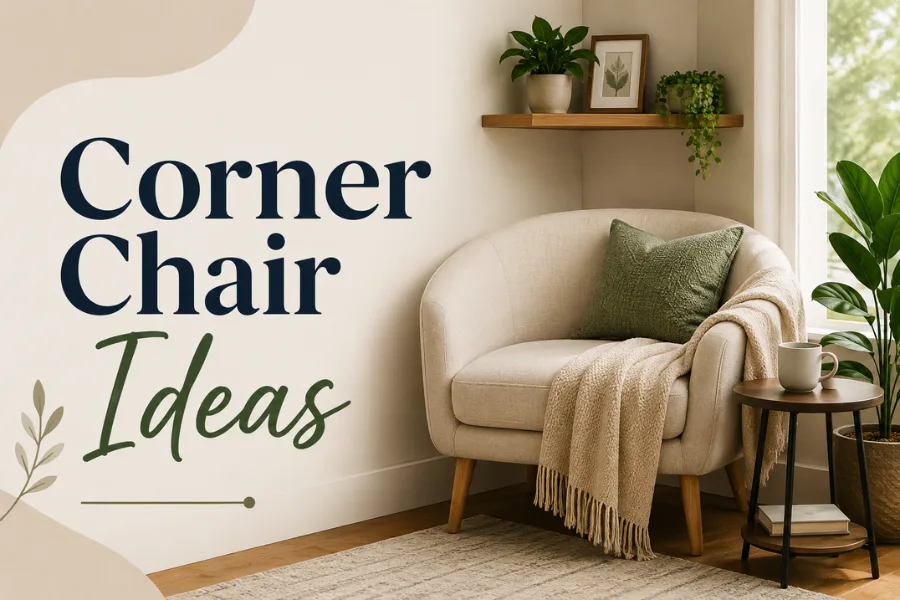
Corner spaces are the most underestimated real estate in any home. Most people either shove a random plant there or leave it completely empty. But here is the truth that every experienced decorator knows — a well-styled corner with the right chair can literally change the entire energy of a room. It becomes a destination. A moment. A place people actually want to sit and stay.
This guide covers 24 completely different ideas — small chairs, large statement pieces, cozy reading setups, bold accent styles — all sorted to help you find exactly what works for your space, your budget, and your personality. I also added a mistakes section at the end because trust me, even the best ideas can go wrong with one bad decision.
24 Corner Chair Ideas for Every Space and Style
1. The Classic Wingback Reading Chair
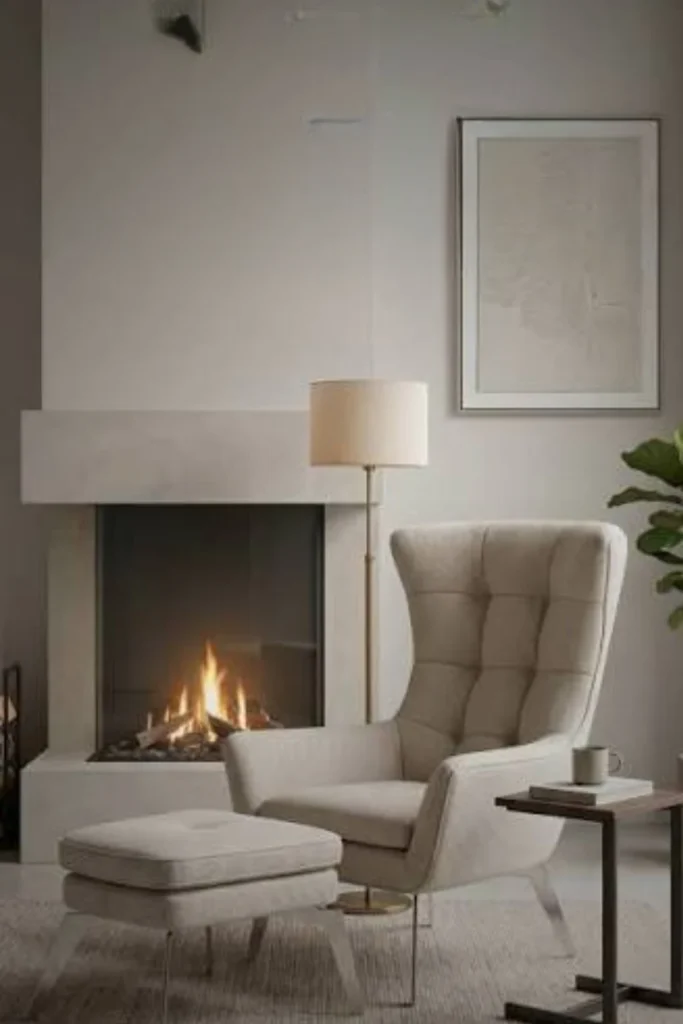
There is a reason the wingback chair has been around for centuries — it simply works. This large, high-backed chair with its signature side “wings” creates a cozy, almost private feeling when placed in a corner. It wraps around you just enough to feel like your own little world, which is exactly why it is the number one choice for a reading corner.
Why It Works
The tall back and side panels of a wingback chair naturally suit corner placement because they create a sense of enclosure without using walls. The chair frames the corner and gives it a purpose instantly. It also adds serious visual height to a room, making ceilings feel taller and the space feel more dramatic.
Best For
Living rooms, home libraries, master bedrooms, and any room that needs a strong focal point. Works best in rooms with at least 10 x 10 feet of space.
Styling Tips
Place a slim floor lamp directly behind or beside the chair — an arc lamp works especially well. Add a small round side table on one side for your coffee or books. A single throw pillow in a contrasting color ties the whole look together. For fabric, go with a rich velvet, tweed, or textured linen to really lean into the classic feel.
2. Velvet Accent Chair with a Bold Color
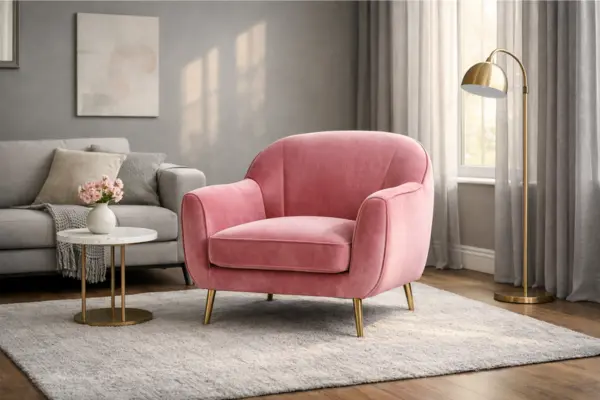
Forget safe neutrals for a minute. A deep jewel-toned velvet accent chair — think emerald green, midnight blue, or burnt rust — placed alone in a corner is one of the fastest ways to make a room look like it was professionally decorated. The velvet catches light beautifully and the rich color creates an instant focal point.
Why It Works
A single bold piece in a corner does not compete with the rest of your furniture — it completes it. It adds depth and contrast to rooms that feel too safe or too neutral. Velvet also photographs beautifully, which is why you see it constantly on Pinterest and interior design feeds.
Best For
Living rooms with neutral walls, modern bedrooms, and apartments where you want one big statement without a full renovation.
Styling Tips
Keep everything else in the corner minimal. One small brass or gold side table, maybe a simple white ceramic vase with dried stems. Let the chair be the star. Pair with light-colored walls — white, cream, or warm beige — to make the color pop even harder.
3. Papasan Chair with a Layered Cushion Setup
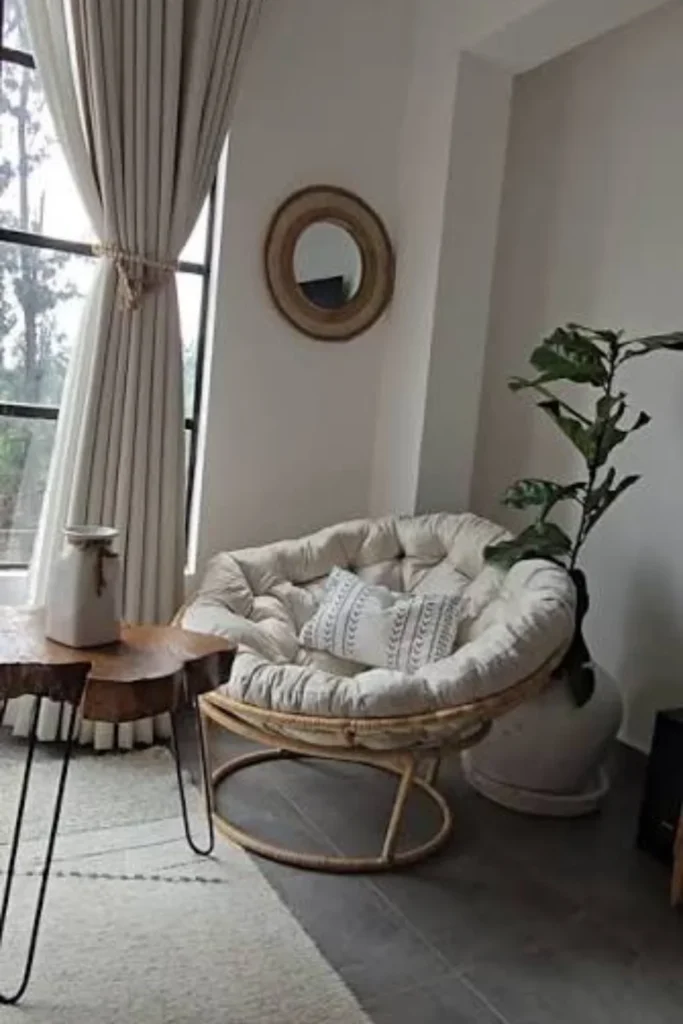
The Papasan is one of those chairs that looks like pure comfort before you even sit in it. That round, deep bowl shape sitting on a rattan or bamboo base creates a soft, almost cocoon-like feel that works especially well in corners. It is a casual, relaxed piece that brings warmth and texture to any space.
Why It Works
The round shape of a Papasan chair softens the hard 90-degree angle of a corner. It naturally fits the curved space and fills it without looking awkward. The rattan base also adds organic texture, which is huge in interior design right now.
Best For
Boho bedrooms, teen rooms, cozy apartments, sunrooms, and any space going for a relaxed or tropical vibe. It is a great small-to-medium option that does not require a lot of floor space.
Styling Tips
Layer two cushions — a thick base cushion and a smaller throw pillow on top. Choose covers in earthy tones like terracotta, cream, or olive green. Place a small woven basket beside it for magazines or a blanket. A hanging macramé or a small potted plant nearby pulls the boho look together beautifully.
4. Minimalist Armless Chair with Tapered Legs
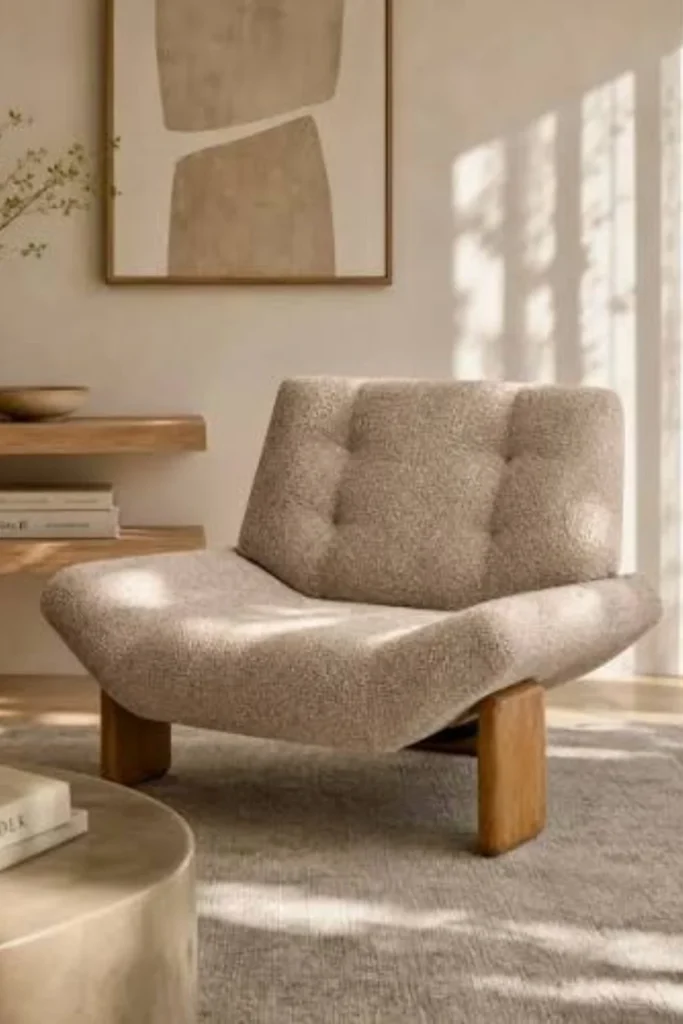
If your room already has a lot going on — busy rugs, patterned curtains, heavy furniture — an armless accent chair with clean lines and tapered wooden legs is your best friend. It brings seating to the corner without adding visual clutter. Simple, quiet, and surprisingly stylish.
Why It Works
Armless chairs take up less visual space than armed ones, which makes them perfect for smaller rooms or corners that feel tight. The tapered legs create that lifted, floating look that makes rooms feel more open and airy. This is the go-to style in Scandinavian and minimalist interiors.
Best For
Small bedrooms, studio apartments, home offices with a corner to spare, and any minimalist or Scandinavian-style space.
Styling Tips
Keep the upholstery in a neutral fabric — cream boucle, light gray linen, or soft white chenille work perfectly. Add a single round side table in natural wood. Skip the floor lamp here and let the corner breathe. One trailing plant on a shelf above adds just enough life without crowding the space.
5. Oversized Corner Lounger
This one is for the people who do not believe in sitting when they can be sprawling. An oversized corner lounger is exactly what it sounds like — a big, generous, deeply cushioned chair that fits snugly into a corner and practically begs you to spend an entire afternoon in it. Think of it as the best parts of a sofa and a chair combined into one piece.
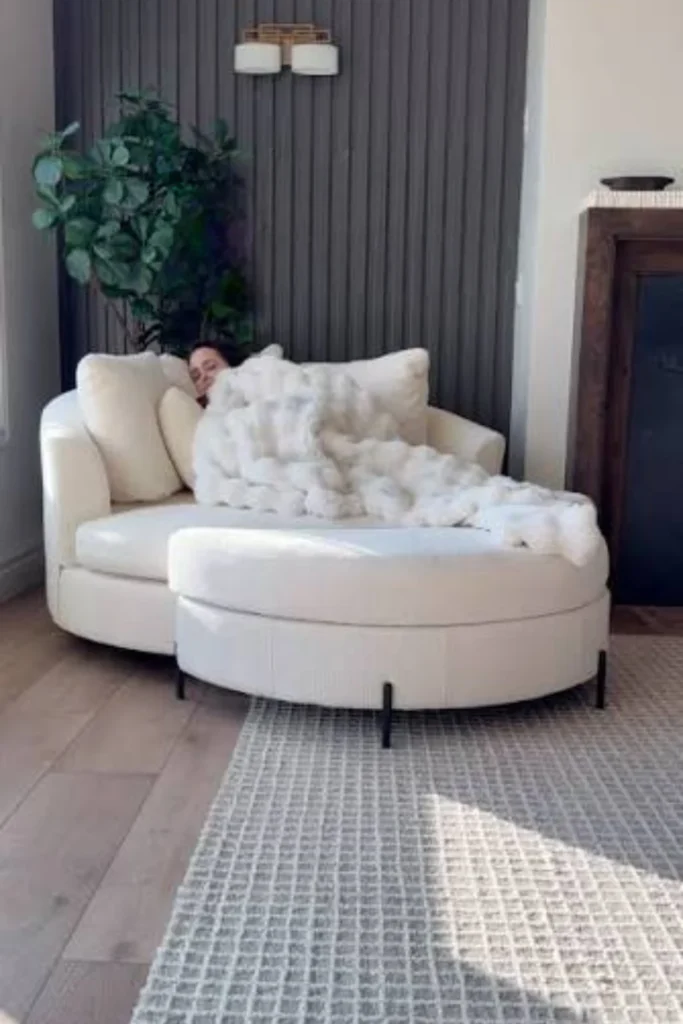
Why It Works
Large corner spaces that feel empty even after you place regular-sized furniture finally meet their match with an oversized lounger. The square or L-shape fits naturally against two walls, using the full corner without leaving dead space. It also creates an incredibly inviting spot that draws people into the room.
Best For
Spacious living rooms, large master bedrooms, media rooms, and family rooms. This is a large piece — you need at least 5 to 6 feet of open wall space on each side of the corner.
Styling Tips
Go with a performance fabric in a neutral tone — gray, oatmeal, or navy — so it handles daily use without looking worn. Layer it generously with throw pillows and a chunky knit blanket. A large area rug underneath ties it to the rest of the room. Place a low wooden coffee table or tray within reach.
6. Rattan or Wicker Chair with a Cushion
Rattan and wicker chairs bring a natural, handcrafted quality to a corner that no upholstered chair can replicate. The open weave texture catches the eye, adds warmth, and blends beautifully with plants, wood accents, and organic materials — which happen to be everywhere in modern interiors right now.
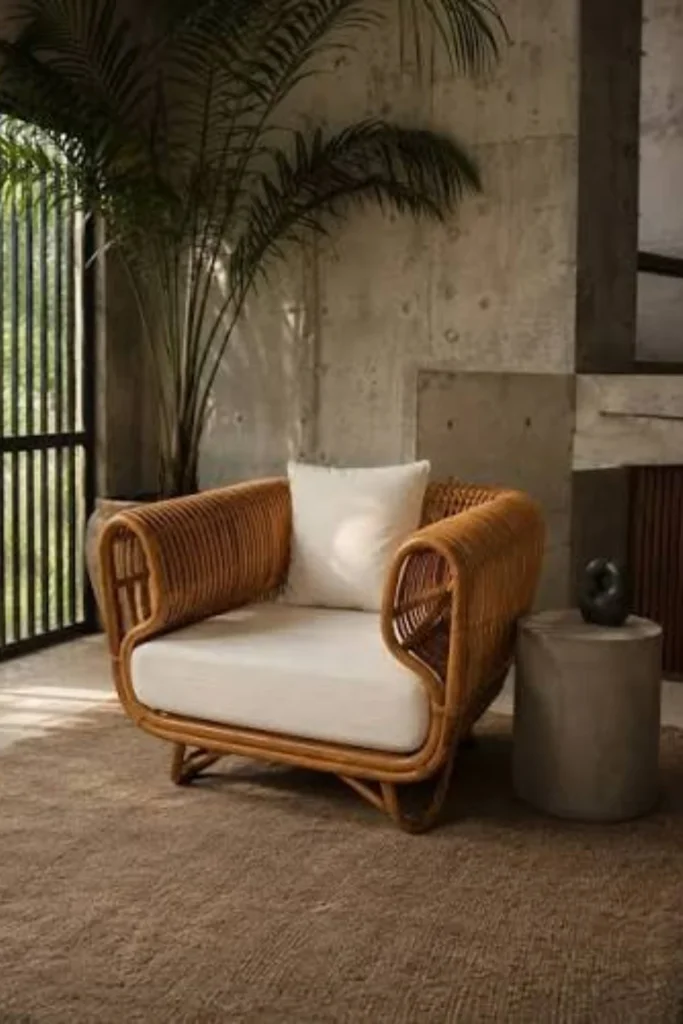
Why It Works
The open, airy structure of rattan does not visually weigh down a space the way a bulky upholstered piece can. It fills the corner without blocking light or making the area feel cramped. It also works in almost any room — indoors or a covered outdoor space.
Best For
Boho or coastal living rooms, sunrooms, covered patios, bedrooms going for a warm organic feel, and smaller spaces where you need to keep things light.
Styling Tips
Always add a cushion — either a thick seat pad in a linen or cotton fabric or a rounded back cushion. Choose colors that echo other natural tones in the room. A small jute rug underneath the chair pulls the look together perfectly. Style with a tall potted plant nearby and a wooden side table with a candle on it.
7. Modern Swivel Chair in Boucle Fabric
The swivel chair has gone from office relic to one of the most requested pieces in interior design, and honestly it makes perfect sense. Place it in a corner and you suddenly have a seat that can face the TV, the window, or a conversation — all with one easy spin. In boucle fabric, it becomes a genuinely beautiful piece on top of being practical.
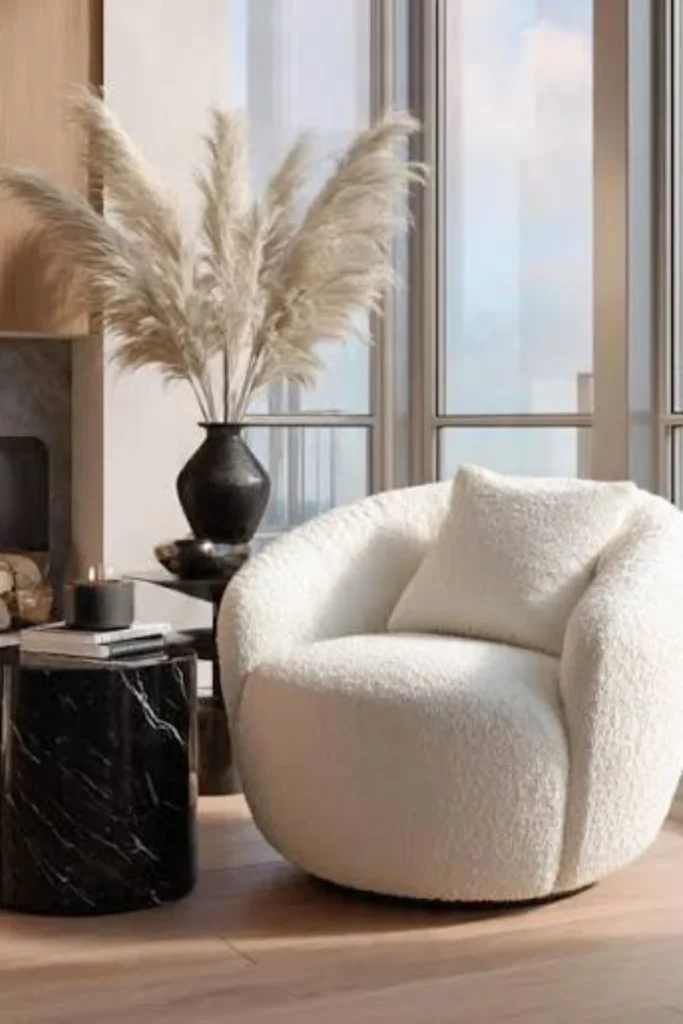
Why It Works
Swivel chairs give a corner chair versatility that static chairs just cannot match. The 360-degree rotation means one person can shift to face any part of the room without getting up and moving the chair. This is especially useful in open-plan spaces.
Best For
Open-plan living rooms, bedroom corners near windows, home offices, and any space where multiple seating angles would be useful.
Styling Tips
Cream or warm white boucle is the most popular and most versatile option — it works with almost any palette. Pair with a slim gold arc floor lamp behind the chair. Keep the rest of the corner clean and simple. One round wooden side table at arm height is all you need.
8. Leather Club Chair in a Bedroom Corner
The leather club chair is the definition of quiet confidence. Low, wide, and deeply cushioned, it has an old-money, well-traveled feel that brings a sense of permanence to a bedroom corner. It ages beautifully over time, which means it only gets better-looking as the years pass.
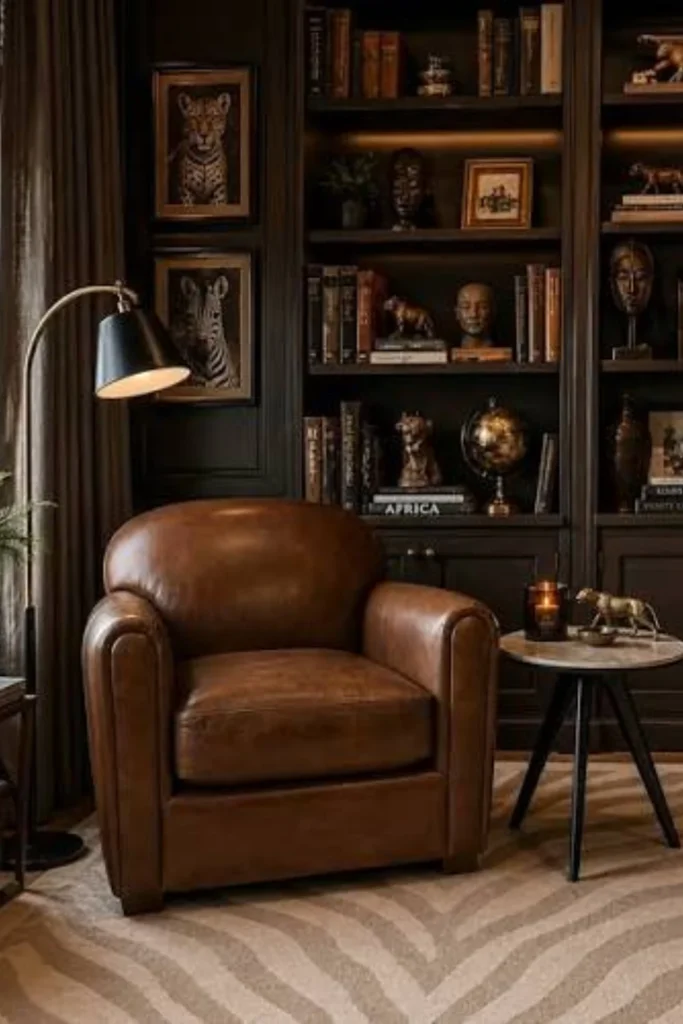
Why It Works
The low profile of a club chair keeps a bedroom corner feeling relaxed rather than formal. Leather adds texture and richness without the maintenance headaches of fabric. It pairs easily with dark wood floors, warm lighting, and earthy palettes — all of which are perennially popular in bedroom design.
Best For
Master bedrooms, home libraries, men’s studies, and masculine or industrial-leaning living rooms. Best in medium to large corners.
Styling Tips
Pair with a cognac or dark walnut leather for a classic feel, or go with a matte black or chocolate brown for something more contemporary. A simple wooden side table and a table lamp with a warm bulb are the only accessories you need. A small patterned rug underneath adds definition.
9. Egg Chair with a Floor Stand
The egg chair is one of those iconic silhouettes that has never gone out of style since Arne Jacobsen designed it in 1958. The enclosed, cocoon-like shell on a swivel pedestal stand is perfectly shaped for corners — it wraps around the sitter and creates its own little world within the room.
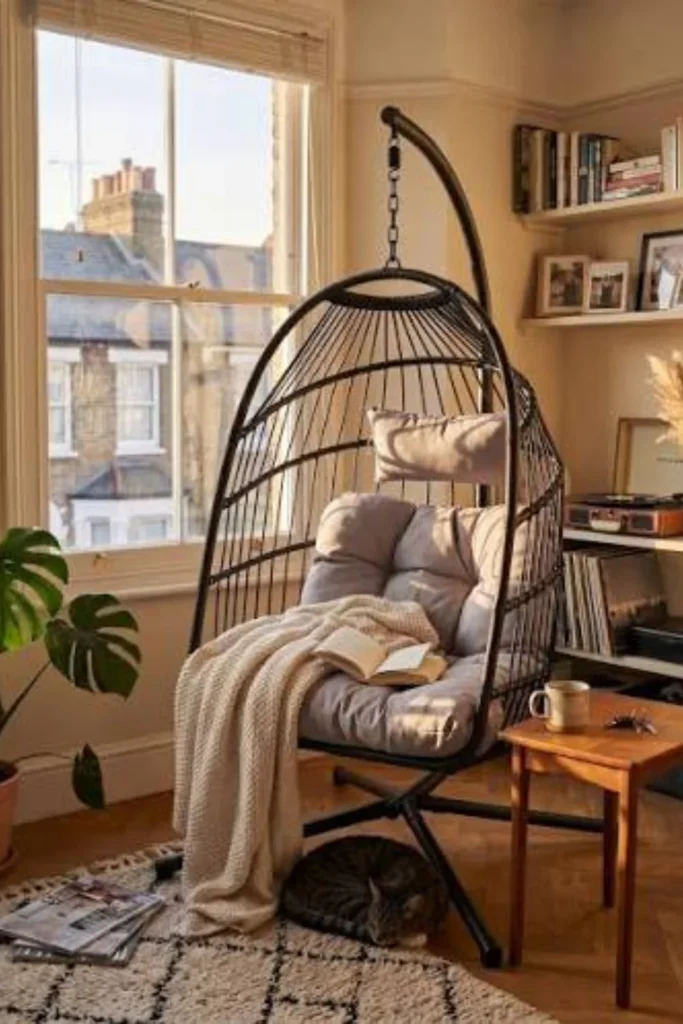
Why It Works
The round shape of the egg chair literally fills the dead space of a corner better than almost anything else. It is also a major conversation piece. People walk into a room with an egg chair and immediately want to sit in it. That kind of magnetic energy is something you cannot manufacture with just any piece.
Best For
Living rooms that need a statement piece, large bedrooms, home offices, and modern or mid-century modern spaces. It is a medium-to-large piece that works best in a room with breathing room around it.
Styling Tips
Let the egg chair stand alone — it does not need much. A small, thin side table at arm height is the only companion it needs. Choose an upholstery in a solid, rich color — deep red, forest green, or mustard yellow — to honor its sculptural quality. Keep the wall behind it simple and uncluttered.
10. Window Corner Reading Nook Chair
When a corner meets a window, you have the best possible setup for a reading nook. All it takes is the right chair — something comfortable, correctly scaled, and positioned to catch that natural light. This idea is about using the architecture you already have to create a corner that feels intentional and special.
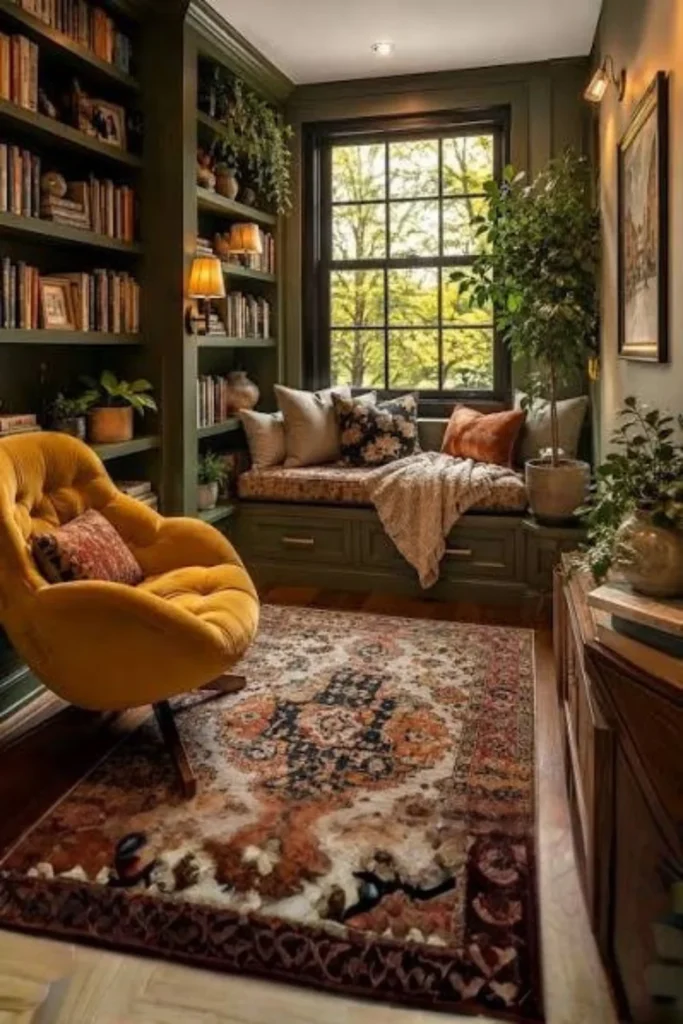
Why It Works
Natural light and a comfortable seat are the two ingredients every good reading spot needs. A corner near a window provides both. It also gives the chair a natural backdrop — the window itself becomes part of the styling, especially when framed with nice curtains.
Best For
Any room with a corner window, bedroom nooks, bay windows, and any space that gets good natural light. Works with chairs of almost any size.
Styling Tips
Choose a chair with a higher back so you can lean comfortably while reading. A small side table or even a wooden step stool works as a surface for your drink or book stack. Add sheer curtains to soften the window light. A floor lamp slightly behind the chair handles evening reading sessions perfectly.
11. Sculptural Cane Chair with a Wood Frame
Cane furniture has had one of the biggest design comebacks in recent years, and it is not hard to see why. A cane chair with a wooden frame — typically walnut, oak, or natural teak — brings a handcrafted, artisan quality to a corner that feels both current and timeless. The woven cane panels have a texture that is visually interesting from across the room.
Why It Works
Cane chairs hit a sweet spot between casual and refined. They have enough visual texture to stand on their own in a corner but are not so loud that they overpower the rest of the room. The natural materials also pair beautifully with plants, warm tones, and organic decor.
Best For
Living rooms, dining room corners, bedrooms going for a warm modern or Japandi aesthetic, and any space with natural wood tones or earthy color palettes.
Styling Tips
Pair with a cushion in a natural linen or cotton fabric — ivory, sage green, or warm tan all work beautifully. Place a small rounded wooden side table beside it. A tall, slender plant like a fiddle leaf fig or snake plant in the corner behind it adds just the right amount of organic height.
12. Chaise Lounge in a Bedroom Corner
A chaise lounge is the most luxurious corner solution in this entire list. It is longer than a regular chair, more dramatic in silhouette, and carries an undeniably elegant quality. In a bedroom corner, it creates a spot that looks like it belongs in a boutique hotel suite.
Why It Works
The chaise lounge solves the problem of corners that are wide but feel empty — it fills them lengthways without taking up central floor space. It also gives you a place to lie down and rest without going all the way to the bed, which is surprisingly useful.
Best For
Large master bedrooms, dressing room areas, luxury living rooms, and any room where you want a single piece to create a grand impression.
Styling Tips
A velvet or linen chaise in a deep tone — navy, charcoal, or deep burgundy — looks the most sophisticated. Style one end with two stacked pillows. A small table lamp on the floor nearby on a low side table works beautifully. Keep the rest of the corner wall clean — maybe one piece of framed art above it at most.
13. Farmhouse Slipcovered Chair
A slipcovered chair is a genius choice for families, pet owners, and anyone who wants a cozy, relaxed corner without the stress of keeping it pristine. The removable fabric cover means you can wash it, swap it out seasonally, or replace it entirely if it gets worn. It is a very practical choice that still manages to look incredibly charming.
Why It Works
Slipcovers give a corner chair a lived-in, cottagecore quality that is very hard to fake with more polished pieces. The slightly relaxed, gathered look of the fabric feels warm and welcoming. It also gives you enormous flexibility to update the look of the corner without buying a new chair.
Best For
Family rooms, farmhouse or cottage-style homes, kids’ reading corners, and anywhere that needs a casual, laid-back seating option.
Styling Tips
White or natural linen slipcovers are the classic choice. Layer with a textured throw blanket draped over one arm and a few mixed-fabric pillows on the seat. A small wooden crate or basket beside the chair for books or toys completes the look. A knitted rug underneath pulls the warmth together.
14. Mid-Century Modern Accent Chair
The mid-century modern chair — think clean lines, angled legs, a tight back, and a well-defined cushion — never goes out of style. It brings a sense of order and intentionality to a corner. When you put one of these in a bare corner, the room immediately looks like someone with taste lives there.
Why It Works
The defined silhouette of a mid-century chair gives a corner a strong geometric anchor. It does not blend in or disappear — it holds its shape and its presence. The tapered legs also keep the visual weight light, so it does not feel heavy even in a smaller space.
Best For
Living rooms, home offices, apartment bedrooms, and any space going for a modern, retro-inspired, or Scandinavian feel.
Styling Tips
Classic mid-century colors include mustard yellow, olive green, burnt orange, and warm gray. Pair with a walnut side table and a simple ceramic table lamp or a slender metal floor lamp. A geometric or abstract art print on the wall above completes the mid-century vibe perfectly.
15. Two Small Chairs Angled Toward Each Other
Sometimes the best corner solution is not one chair — it is two. A pair of smaller accent chairs angled slightly toward each other with a small round table between them turns an empty corner into a proper conversation spot. It looks intentional, social, and incredibly put-together.
Why It Works
Two chairs create a sense of invitation and dialogue that a single chair simply cannot. It signals that the space is for two people to share — morning coffee, a chat before bed, working from home side by side. It also fills a larger corner far more effectively than one piece.
Best For
Large master bedrooms, spacious living rooms, open-plan family areas, and sunrooms. You need enough floor space for both chairs plus the table between them — typically at least 8 to 10 feet of open corner.
Styling Tips
The chairs do not have to match exactly — they just need to belong to the same color family or share one design detail. A small round pedestal table between them in marble, wood, or painted iron is the classic choice. Add a shared arc floor lamp above both chairs to light the whole spot evenly.
16. Barrel Chair in a Small Corner
A barrel chair is a rounded, compact accent chair that has a gently curved back wrapping partially around the sides — like a very abbreviated club chair. It is one of the best solutions for corners that are present but not generously sized, because it fills the space neatly without overwhelming it.
Why It Works
The curved, barrel-like shape is naturally suited to corners. It does not have sharp protruding arms that stick into the room awkwardly. The compact footprint means it works in corners where a standard armchair would feel too big.
Best For
Small bedrooms, apartment living rooms, cozy nooks, and any space under 12 x 12 feet where you still want a real seating option in the corner.
Styling Tips
A bouclé barrel chair in cream or warm white is one of the most popular looks right now and works in almost any room. Keep the side table very small — a drum table or even a small stool works perfectly. One textured pillow is all you need. The chair’s own shape does most of the decorating work.
17. Floor-Level Legless Lounger
For the person who wants their corner to feel like a casual, laid-back retreat — almost like a floor cushion but with actual structure — the legless floor lounger is a surprisingly chic option. It sits low to the ground, has a defined back and seat, and creates a very relaxed, lounge-like mood.
Why It Works
Low furniture makes ceilings feel higher and rooms feel more expansive, which is a classic design trick. A legless chair in a corner feels deliberate and cool rather than just lazy. It also works beautifully in rooms with tatami-style floors, eclectic spaces, or bedrooms going for a more artistic, unconventional look.
Best For
Young adults’ bedrooms, creative studios, eclectic apartments, and boho-style spaces. Best on hard floors or low pile rugs.
Styling Tips
Choose a velvet or boucle legless lounger in a deep color — navy, forest green, or charcoal look best at floor level. Layer a large area rug underneath it. Add floor cushions or a small stack of books nearby. Wall art directly above it at a lower hang height than usual ties the whole low-profile look together.
18. Industrial-Style Metal Frame Chair
If your home has an industrial, loft-style, or urban aesthetic — exposed brick, dark wood, concrete finishes — a metal-framed accent chair in the corner speaks the same design language beautifully. The combination of a raw metal frame with a leather or distressed upholstered cushion is bold, functional, and genuinely cool.
Why It Works
Metal frames have a graphic quality that stands out sharply against both light and dark walls. In a corner, the linear frame creates almost a structural drawing in the space. It is a very different visual than a typical upholstered chair, and that contrast is exactly what makes it interesting.
Best For
Industrial-style apartments, urban lofts, man caves, home offices, and any space with darker, moodier, or more raw design elements.
Styling Tips
Pair a black or matte iron frame with a dark leather or distressed faux-leather seat. Keep the corner itself dark and moody — deep wall paint, Edison bulb lighting, and raw wood textures nearby all enhance the look. Skip soft accessories like throws here — a single structured pillow at most.
19. Nursery Glider or Rocking Chair in a Modern Update
Rocking chairs are not just for nurseries or porches anymore. A modern rocking chair with a clean wood frame and a simple cushion seat placed in a bedroom or living room corner is one of the most underrated ideas on this list. It brings rhythm, movement, and a gentle nostalgia to a space without looking old-fashioned.
Why It Works
Movement is something most home decor lacks entirely. A rocking chair introduces gentle, soothing kinetic energy to a corner. The gentle back-and-forth is calming in a way that a static chair never can be. In a modern home, a well-designed rocker with sleek lines reads as artistic and thoughtful rather than grandmotherly.
Best For
Nurseries, master bedrooms, sunrooms, and any space where you want a calm, reflective corner with a bit of personality.
Styling Tips
Look for a rocker with a walnut or natural wood frame and simple gray or cream cushions for the most versatile look. Pair with a floor lamp that has warm-toned bulbs. A small woven basket beside it for knitting, books, or a throw blanket completes the setup perfectly.
20. Hanging or Swing Chair Mounted from the Ceiling
A ceiling-mounted swing or hanging chair in a corner is the kind of idea that makes people stop and stare when they walk into a room. It uses vertical space — something almost every home has plenty of but rarely uses for seating — and creates a statement that is entirely unique.
Why It Works
A hanging chair uses the ceiling rather than the floor, which means it takes up virtually zero ground space while still giving you a full seating experience. In a corner, the two walls behind it create a natural backdrop that frames the chair beautifully.
Best For
Living rooms with high ceilings, sunrooms, covered porches, reading nooks with ceiling beams, boho spaces, and any room where you want a genuine wow moment.
Styling Tips
Make absolutely sure the ceiling mount is into a structural joist — never drywall alone. A hanging rattan or macramé chair with a thick cushion is the most popular choice. Add a few string lights or a hanging plant nearby to enhance the dreamy, bohemian feel. Keep the surrounding floor area very simple and open.
21. Tufted Accent Chair with Nailhead Trim
Tufting and nailhead trim are the details that take an accent chair from plain to polished. The diamond or button tufting creates visual texture and the nailhead trim along the frame adds a tailored, finished quality. In a corner, this kind of chair looks like it belongs in a very well-decorated room — because it does.
Why It Works
Tufted chairs have a classic, heirloom quality that holds up across different interior styles — traditional, transitional, and even modern spaces can absorb one without it looking out of place. The decorative details mean the chair does its own storytelling without needing a lot of accessories around it.
Best For
Living rooms, formal sitting areas, home libraries, bedrooms going for a classic or refined look, and anyone who wants a chair that feels investment-worthy.
Styling Tips
A tufted chair in charcoal gray, deep navy, or rich emerald green with antique brass nailheads is one of the most timeless combinations in furniture. Pair with a round dark wood side table, a table lamp with a classic linen shade, and possibly a small framed print or mirror on the wall above.
22. Outdoor-Style Rattan or Wicker Chair Brought Indoors
Taking what is typically considered an outdoor chair and using it deliberately inside is one of those design moves that looks effortlessly cool when done right. An all-weather wicker or rattan chair with indoor cushions brought into a living room or sunroom corner has a relaxed, vacation-at-home energy that is very hard to replicate any other way.
Why It Works
Indoor-outdoor crossover pieces add a casual, unexpected texture to interior spaces that feels fresh and original. Most people would not think to use an outdoor-style chair inside, which is exactly why it reads as creative and curated when you do it with intention.
Best For
Sunrooms, tropical or coastal-themed interiors, open-plan living spaces, covered patios that transition to indoor spaces, and any room that benefits from a laid-back, resort-like atmosphere.
Styling Tips
Choose cushions in an indoor fabric when using the chair inside — solid linen or a simple stripe pattern works best. Pair with a low rattan side table and a cluster of tropical plants in the corner behind it. Natural jute or sea grass rug underneath ties the whole indoor-outdoor look together.
23. Reading Chair and Built-In Bookshelf Corner Combo
This is not just a corner chair idea — it is a corner transformation. When you combine a comfortable chair with floor-to-ceiling or half-height built-in bookshelves filling the walls on either side, you create a reading nook that feels like a room within a room. It is functional, beautiful, and completely one-of-a-kind.
Why It Works
Bookshelves in a corner give the chair a frame — a visual surround that makes the spot feel defined and purposeful. The combination of the chair, the books, and the shelves together creates a whole vignette that looks like it was designed by a professional. It also makes use of wall space that would otherwise just be paint.
Best For
Home libraries, studies, master bedrooms with large corners, and any room in the house where you want to create a standout feature moment.
Styling Tips
Paint the shelves the same color as the wall for a seamless, built-in look, or go with a contrasting dark color like navy or forest green to make them pop. Choose a chair in a solid neutral or warm earth tone so it does not compete with the books. A small reading lamp mounted on the shelf or a slender floor lamp beside the chair handles the lighting perfectly.
24. Ergonomic High-Back Chair for a Home Office Corner
Not every corner is in a living room or bedroom. Many home offices have a corner that sits underused — maybe there is a desk against one wall but the other corner is just empty. An ergonomic high-back accent chair in that corner creates a secondary seating area for thinking, taking phone calls, or just taking a break from the desk.
Why It Works
Having two seating areas in a home office — the desk chair and a separate corner chair — is something that most productive people swear by. The corner chair becomes the thinking seat, the reading seat, or the meeting seat when someone else is on a video call with you. The high back also provides the neck and lumbar support you need during long work-from-home days.
Best For
Home offices, dedicated work rooms, studio apartments with a work corner, and any professional who spends long hours working from home.
Styling Tips
Choose an ergonomic chair that does not look overtly “office-y” — upholstered high-backs in a fabric finish work far better than mesh. Pair with a small side table for a notepad and a glass of water. Keep the corner tidy and functional — a simple wall shelf above with a plant and a few books adds personality without distraction.
Mistakes to Avoid When Styling a Corner Chair
Getting the chair right is only half the job. Here are the most common mistakes I see people make that undo all the good work:
Choosing the wrong size. This is the number one mistake. A tiny chair in a big corner looks lost and sad. A massive chair in a small corner looks like furniture that moved in and refused to leave. Always measure your corner — both the width along each wall and the depth — before buying anything.
Forgetting about lighting. A corner chair without a light source nearby is a corner chair no one actually uses. Every seating corner needs either a floor lamp, a table lamp, or a wall-mounted sconce within comfortable reading distance. Warm-toned bulbs (2700K to 3000K) are the right choice for almost every corner setting.
Skipping the side table. You need somewhere to put your coffee cup, your phone, your book. A corner chair without a small side table nearby is going to feel frustrating to use every single time. The table does not have to be big or expensive — even a small wooden stool works perfectly.
Over-accessorizing. I see this constantly — people add the chair, then a floor lamp, then a side table, then a plant, then a throw, then three pillows, then a blanket basket, then wall art, then a rug, and then suddenly the corner looks like a furniture showroom exploded. Edit ruthlessly. Pick two or three accessories maximum and let the chair be the focus.
Ignoring the wall behind the chair. The wall directly above and behind a corner chair is prime styling real estate. Leaving it completely blank feels unfinished. One piece of art, a simple mirror, or a small floating shelf transforms the whole corner setup from a chair in a corner to a styled vignette.
Blocking traffic flow. Always make sure the chair placement leaves clear pathways around it. A corner chair should feel like a destination, not an obstacle.
Conclusion
Here is the thing about corner chairs — they are not just about filling an empty space. They are about giving a room a moment. A reason to sit down and stay a while. A spot that feels like it was made just for you.
Whether you go with a grand wingback in a classic fabric, a casual rattan chair with boho cushions, a sleek modern swivel, or a dramatic hanging chair that makes every guest do a double take, the right corner chair turns one of the most overlooked spots in your home into one of the most loved.
Start with your corner’s size, then think about how you want to feel when you sit there. Cozy and enclosed? Open and airy? Bold and stylish? Calm and minimal? There is an idea in this list for every single answer. Pick the one that makes you feel something, get the lighting right, add one good side table, and watch that corner transform.
FAQs
What is the best chair for a small corner? A barrel chair, an armless accent chair, or a compact rattan chair works best for smaller corners. Look for chairs that are 25 to 32 inches wide and have a slim profile without wide arms sticking out into the room.
How do I make a corner chair look intentional and not random? Add a side table and a light source — those two elements immediately make a corner chair look styled rather than placed. A small rug underneath the chair also helps define and anchor the space.
What size rug should I use under a corner chair? A small round rug between 3 and 4 feet in diameter works well for a single corner chair. It should sit mostly under the front legs of the chair and extend slightly in front of it.
Can I put a corner chair in a bedroom? Absolutely — a bedroom corner chair is one of the best home decor upgrades you can make. It adds function, personality, and a sense of luxury to a space that usually only has the bed as a main furniture piece.
How do I choose between a floor lamp and a table lamp for my corner chair? If your side table is very small or you want the lamp to light a larger area around the chair, go with a floor lamp. If you want a more intimate, contained pool of light directly over the chair, a table lamp is the better choice. Arc floor lamps that curve over the chair from behind are the most versatile option and work beautifully in almost every corner setup.
Do corner chairs need to match the rest of my furniture? No — and in fact, a corner chair that is slightly different from your other furniture often looks more intentional and curated. It just needs to share one common element with the rest of the room, whether that is a color, a material, or a general design era.
What is the minimum space needed for a corner chair? As a general rule, you need at least 3 feet of wall space on each side of the corner for a standard chair. For larger pieces like oversized loungers or chaises, plan for 5 to 6 feet. Always add 18 to 24 inches of clearance in front of the chair for easy access.