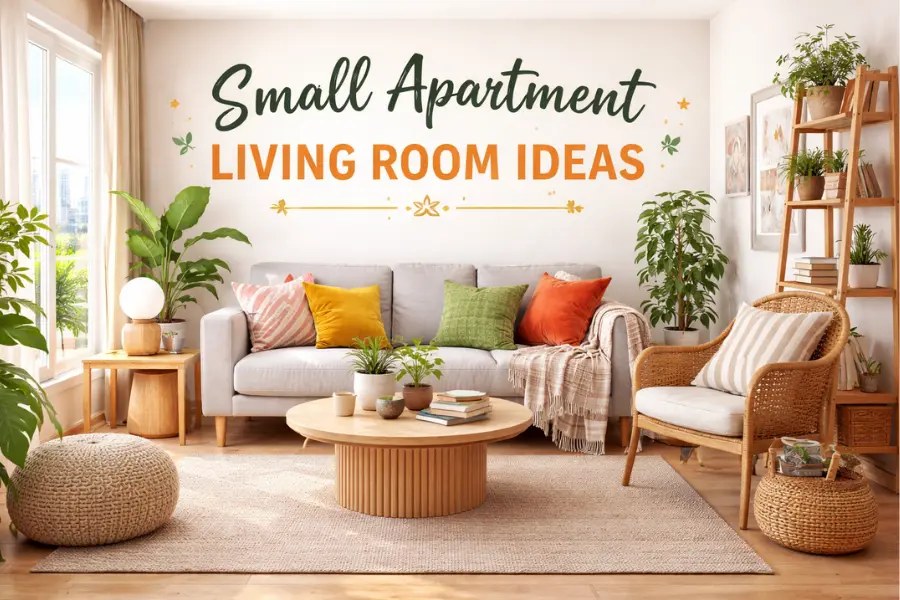
13 Small Apartment Living Room Ideas That Look Stylish and Feel Practical
A small apartment living room can still feel beautiful, comfortable, and well-planned. You do not need a huge floor plan to create a space that feels warm, useful, and inviting. What matters most is how you use the room, how you place the furniture, and how well each piece works with the size of the space.
In this guide, I am sharing 13 small apartment living room ideas that are realistic, stylish, and easy to understand. These ideas work across different layouts, including very small rooms, normal apartment living rooms, and larger open-plan lounge areas. Each one is practical, beginner-friendly, and designed to help you create a room that looks good and feels right.
Table of Contents
The Core Ideas for a Small Apartment Living Room
A well-decorated small apartment living room is never about filling every corner. It is about making better choices. The room should feel easy to move through, pleasant to sit in, and visually calm. Every item should support the layout instead of fighting it.
Below are 13 different ideas you can use to improve your living room. Each one offers a different solution, so you can choose the ones that suit your apartment size, shape, and style best.
1. Float a Compact Sofa on a Properly Sized Rug
This idea helps a small apartment living room feel pulled together and thoughtfully designed. Many people use a rug that is too small, which makes the room feel broken up and unfinished. A larger rug under the seating area creates unity, makes the layout look more polished, and gives the whole room a more spacious feel.
Why it works
A properly sized rug visually connects the sofa, chair, and table into one clear living area. It gives structure to the room and helps the furniture feel grounded. Even in a small apartment, a larger rug can make the space feel bigger because it creates one smooth visual zone instead of several small, disconnected parts.
Best for
This idea works best for normal-size apartment living rooms, small square rooms, and open-plan spaces where you want to clearly define the seating area. It is especially useful if your room feels plain, awkward, or like the furniture is floating without purpose.
Styling Tips
Choose a rug large enough for at least the front legs of the sofa and chairs to sit on it. Stick with soft patterns or simple textures if your room is already busy. If your furniture is neutral, use the rug to bring in warmth and character. Keep the rest of the décor balanced so the rug supports the room rather than overwhelms it.
2. Use Furniture with Visible Legs
Furniture with visible legs can make a small apartment living room look lighter and less crowded. It allows more of the floor to show, which creates a sense of openness. Heavy furniture that sits flat on the floor often makes a small room feel blocked, bulky, and much smaller than it really is.
Why it works
When more floor remains visible, the room feels airier and easier on the eye. Furniture with legs creates visual breathing space underneath sofas, chairs, and tables. That small gap can make a big difference in how open the room feels. It is a simple design trick that works especially well in compact apartments.
Best for
This idea is best for very small apartment living rooms, narrow layouts, and rooms that already feel full before you even start decorating. It is also a good solution if you want the room to feel more modern, lighter, and less heavy overall.
Styling Tips
Choose a sofa with slim arms and raised legs. Pair it with an open-base coffee table or a narrow media unit. Avoid bulky recliners or oversized boxy furniture. Wood, metal, or mixed materials all work well here. Keep the shapes clean so the room feels neat and uncluttered.
3. Build the Room Around One Statement Piece
A small living room does not need lots of decorative items to look complete. In fact, too many small pieces often make the room feel messy. One larger statement piece, such as bold artwork, a large mirror, or a standout coffee table, can create focus and make the room feel more intentional and stylish.
Why it works
A statement piece gives the eye one clear place to land. This helps the room feel calmer and more organized. It also prevents the common mistake of filling a small room with lots of little items that create visual noise. One strong feature makes the room look confident without adding clutter.
Best for
This works well in both small and larger apartment living rooms, especially if the space feels bland or lacks personality. It is also perfect for beginners who want a polished look without having to style lots of shelves and surfaces.
Styling Tips
Choose one feature to lead the room. It could be oversized wall art above the sofa, a beautiful mirror, a bold light fixture, or a striking rug. Once you pick your statement piece, keep nearby décor simple. Let that one item do the visual work and avoid competing with it.
4. Swap the Coffee Table for a Storage Ottoman
A storage ottoman is one of the smartest pieces you can add to a small apartment living room. It works as a table, footrest, extra seat, and hidden storage all in one. This helps the room stay tidy while still looking soft, welcoming, and useful for everyday living.
Why it works
Small apartment living rooms need furniture that can do more than one job. A storage ottoman saves space because it replaces other pieces you might otherwise need. It also helps hide clutter such as blankets, remotes, magazines, or toys. That makes the room feel cleaner and more relaxed.
Best for
This idea suits almost every room size, but it is especially helpful in smaller living rooms where storage is limited. It is also ideal for homes where the living room gets used a lot and needs to stay practical as well as attractive.
Styling Tips
Choose a storage ottoman in a fabric or color that works with your sofa. Add a tray on top so it can still hold drinks or candles neatly. If you have a larger living room, try using two smaller ottomans side by side. They are easier to move and can double as extra seating when needed.
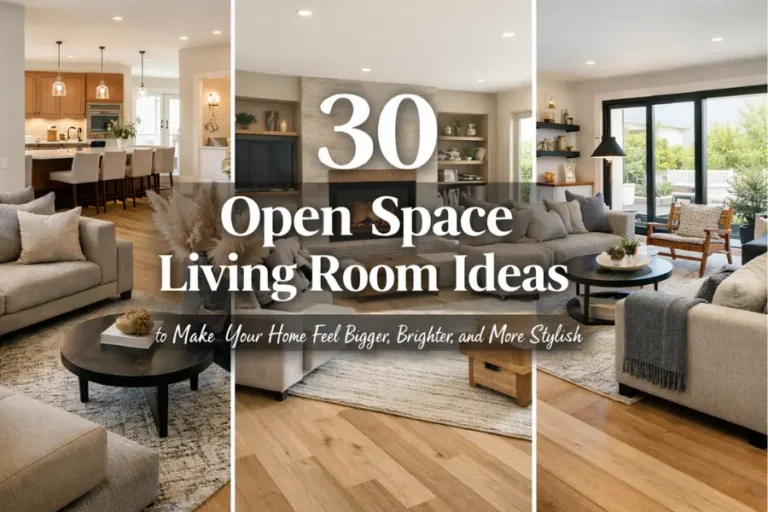
5. Create Zones in an Open-Plan Living Area
Some apartment living rooms are not tiny, but they still feel hard to decorate because the living area blends into the dining space or kitchen. Creating zones helps separate each function without adding walls. It gives the room a better sense of order while keeping the layout open and connected.
Why it works
Zoning helps the room feel planned rather than random. It shows where the living area starts and ends. This makes a larger apartment layout feel more comfortable and easier to use. It also gives each part of the room a clear purpose, which improves both function and appearance.
Best for
This idea is best for larger apartment living rooms, studio apartments, and open-plan layouts where one room needs to handle multiple uses. It is especially useful if the space feels too open, too empty, or hard to arrange in a natural way.
Styling Tips
Use a rug to define the seating area. Place the sofa so it acts as a soft divider between zones. Add a floor lamp to mark a reading area or use a console table behind the sofa to create a visual boundary. Keep the color palette consistent so the room still feels connected.
6. Pull the Furniture Slightly Away from the Walls
Many people think pushing all the furniture against the walls will make a small room look bigger. In reality, it can make the layout feel flat and awkward. Pulling furniture in just a little creates a better arrangement, improves flow, and makes the room feel more balanced and inviting.
Why it works
When furniture sits slightly inward, the room feels more intentional and comfortable. It encourages better conversation and creates a more natural seating area. Even a few inches of space behind a sofa can improve the overall layout and stop the room from looking like everything was simply lined up around the edges.
Best for
This idea works best in normal-size apartment living rooms and in narrow spaces where the layout feels too rigid. It is also helpful if your room feels empty in the center but crowded around the outside.
Styling Tips
Start by moving the sofa a few inches forward. If you have space, add a slim console table behind it. Keep walking paths clear and do not overfill the middle of the room. The goal is not to make the room tighter, but to make the layout feel softer and more natural.
7. Hang Curtains High to Make the Room Feel Taller
Curtains can completely change how a small apartment living room feels. When you hang them higher than the top of the window, the room instantly looks taller. This simple trick draws the eye upward and gives the space a more finished, elegant, and open feeling.
Why it works
Height matters in a small room. High curtains make the walls appear taller and the windows appear larger. That changes the whole mood of the space. It makes the room feel less cramped and more graceful, even if the actual square footage stays exactly the same.
Best for
This idea is ideal for small and normal-size apartment living rooms, especially those with modest ceiling height or small windows. It is also a great choice if your room feels a little flat and needs a more polished look without major changes.
Styling Tips
Hang the curtain rod close to the ceiling and make it wider than the window frame. This allows more light in when the curtains are open. Use full-length curtains that almost touch the floor. Choose light or medium-weight fabric so the room still feels airy.
8. Add One Large Mirror to Reflect Light
A mirror is one of the easiest ways to brighten and visually open up a small apartment living room. It reflects light and gives the impression of more space. The key is to use one well-placed mirror rather than lots of tiny ones that can make the wall feel busy.
Why it works
Mirrors bounce natural and artificial light around the room. That helps dark corners feel brighter and makes the room seem more open. A large mirror also adds depth, which is especially helpful in apartments where the living room feels tight or lacks good light.
Best for
This idea is best for small, darker living rooms or rooms without many windows. It also works well in medium-size apartment living rooms that need a little more light and visual lift.
Styling Tips
Place the mirror where it can reflect a window, a lamp, or a pretty part of the room. Choose a size that fits the wall properly. Avoid using a mirror that looks too small for the area. A clean frame in wood, black, or brass often works beautifully in apartment spaces.
9. Choose a Sofa That Fits the Room Properly
The sofa is usually the biggest piece in the living room, so its size matters more than anything else. An oversized sofa can crowd the room and make everyday movement harder. A well-scaled sofa creates comfort without taking over, which is exactly what a small apartment living room needs.
Why it works
Good scale makes the entire room feel more balanced. When the sofa fits the space properly, the layout becomes easier to build around. You can add other pieces without making the room feel packed. It also improves flow and stops the living room from looking too heavy.
Best for
This is important for every apartment living room size, but especially for small and narrow spaces. It is also a must if you are starting from scratch and want to avoid one of the most common decorating mistakes.
Styling Tips
Look for an apartment-size sofa, loveseat, or a slim three-seater with clean lines. Avoid very deep seats and extra-wide arms if space is limited. Measure carefully before buying. Leave enough room for side tables, walking space, and a layout that feels easy to use.
10. Layer the Lighting Instead of Using Only One Main Light
A single ceiling light rarely gives a living room the warm, finished feeling most people want. Layered lighting makes the room feel softer, more useful, and more welcoming. It also helps you use the space in different ways, whether you are reading, relaxing, or entertaining.
Why it works
Layered lighting gives depth to the room. It reduces harsh shadows and makes the space feel warmer and more comfortable. It also allows you to control the mood better. In a small apartment living room, good lighting can make the room feel richer and far more thoughtfully decorated.
Best for
This works in all small apartment living rooms, especially those that feel dark, flat, or slightly cold. It is also perfect for renters who want a big visual improvement without changing the actual layout.
Styling Tips
Use a mix of overhead light, a floor lamp, and a table lamp or wall light. If floor space is tight, choose a plug-in wall sconce instead of a large floor lamp. Warm bulbs usually create a more relaxed feeling than harsh white light.
11. Use a Light, Low-Pile Rug
The texture and color of your rug can affect how large or small the room feels. A light, low-pile rug keeps the floor area feeling open and easy to look at. Thick dark rugs can sometimes make a small apartment living room feel heavier and more closed in.
Why it works
A low-pile rug keeps the space feeling smooth and open. Lighter tones reflect more light and help the room feel airy. This is helpful in small living rooms where every visual detail matters. The right rug softens the room while still allowing the space to feel uncluttered.
Best for
This idea is best for compact apartment living rooms, narrow spaces, and rooms that already contain several furniture pieces. It is also useful if you want a calm, fresh look that does not feel too busy or overwhelming.
Styling Tips
Choose a rug in soft beige, cream, light gray, muted taupe, or another gentle tone that suits your style. A small pattern can work well, but avoid anything too bold if the rest of the room is already full. Keep the texture simple and easy to maintain.
12. Turn One Corner into a Useful Mini Zone
A small apartment living room often needs to do more than one job. One corner can become a reading nook, a work spot, or a relaxing extra seat. Giving that unused area a clear purpose helps the room feel more complete and makes better use of the space you already have.
Why it works
When every part of the room has a purpose, the layout feels more thoughtful. Empty corners can look forgotten, while overfilled corners can feel chaotic. A simple mini zone makes the room more useful without making it feel crowded. It also adds character and a sense of personal style.
Best for
This idea works in small, normal-size, and larger apartment living rooms. It is especially helpful for people who need the living room to support more than one activity but still want it to look attractive and organized.
Styling Tips
Use one chair, one lamp, and one small table for a reading corner. Or place a narrow desk behind the sofa for a compact work area. Keep the colors and materials connected to the rest of the room so the mini zone feels like part of the overall design.
13. Use Soft Color Instead of Playing It Too Safe
Many people assume that every small living room must be plain white. While light colors do help, a room needs warmth and personality too. Soft color can make the space feel more inviting, more finished, and more stylish without making it feel smaller or darker.
Why it works
Color gives depth and mood to a room. When used well, it adds interest and helps the space feel designed rather than empty. Soft, calm shades can still keep the room open while giving it character. This is especially important in small apartments where the living room should feel welcoming.
Best for
This works in all apartment living room sizes. It is ideal for people who want a fresh look but feel nervous about using color. It is also great for rooms that currently feel too plain, too cold, or lacking in personality.
Styling Tips
Try warm beige, muted green, dusty blue, soft terracotta, or light greige. You can use color on the walls, in the rug, through cushions, or in artwork. Keep the palette calm and connected. The goal is to add charm and depth, not make the room feel loud.
Mistakes to Avoid in a Small Apartment Living Room
Even the prettiest furniture will not fix a poor layout. Small living rooms need careful choices, and some common decorating habits can make the room feel tighter, darker, or more cluttered than it really is. Avoiding these mistakes can improve your space just as much as buying something new.
Choosing Furniture That Is Too Big
A large sofa, deep chair, or bulky coffee table can easily overpower a small apartment living room. Oversized furniture blocks movement and makes the room feel cramped. Always measure the room first and think about how each item will affect the flow before bringing it in.
Using a Rug That Is Too Small
A tiny rug can make the entire seating area look disconnected. It often makes the room feel smaller instead of larger. A better choice is a rug that helps anchor the furniture and gives the room a more complete, balanced appearance.
Pushing Everything Against the Walls
This is one of the most common mistakes in apartment living rooms. It may seem like it creates more space, but it often leaves the center feeling empty and the overall layout feeling flat. A more thoughtful arrangement usually creates a room that feels warmer and more natural.
Relying on One Overhead Light
One central ceiling light is rarely enough for a living room. It can make the room feel harsh and unfinished. Good lighting should come from more than one source. A lamp or two can add comfort, warmth, and a much more welcoming mood.
Adding Too Many Small Decorative Pieces
Lots of tiny décor items can create visual clutter very quickly. Small rooms look better when they are styled with restraint. A few well-chosen pieces often have a stronger effect than dozens of little objects spread across every shelf and table.
Ignoring Storage Needs
A beautiful living room will still feel stressful if there is nowhere to put everyday items. Blankets, chargers, remotes, books, and daily clutter need a home. Hidden storage helps the room stay neat, which is important in a small apartment where everything is seen at once.
Blocking Natural Light
Heavy curtains, tall furniture in front of windows, and poor mirror placement can all reduce light in the room. A small living room benefits greatly from natural light, so keep windows as open and clear as possible whenever you can.
Conclusion
Decorating a small apartment living room is about making the space work better, not just making it look pretty. The most successful rooms are the ones that feel comfortable, balanced, and easy to use every day. They combine smart layout choices with simple styling that suits the size of the room.
You do not need to use all 13 ideas at once. In fact, the best results usually come from choosing a few ideas that fit your room shape, your lifestyle, and the way you want the space to feel. Maybe your room needs a better rug, a smaller sofa, and more lighting. Or maybe it needs zoning, storage, and a stronger focal point. Start with what matters most and build from there.
A small apartment living room can still feel stylish, warm, and beautifully finished. With the right layout, the right furniture scale, and a few thoughtful details, even the simplest room can become one of the best spaces in your home.
FAQs
A small apartment living room often raises a lot of practical decorating questions. That is completely normal. The good news is that most of the answers come back to a few simple design basics such as scale, light, storage, and layout.
What type of sofa is best for a small apartment living room?
The best sofa is one that fits the room properly without taking over. Look for slim arms, a raised base, and a size that still leaves space for movement. Apartment-size sofas, loveseats, and compact three-seaters usually work very well.
How can I make my small living room look bigger?
Use a proper rug size, let more floor show with raised furniture, hang curtains high, add a mirror, and keep the layout open. Good lighting and a calm color palette also help the room feel larger and more breathable.
Is it okay to use dark colors in a small apartment living room?
Yes, but use them carefully. Soft, calm darker shades can add depth and warmth. The key is balance. If the room does not get much light, mix deeper colors with lighter furniture, mirrors, and warm lighting so the space still feels open and welcoming.
Should I use a coffee table in a small living room?
Yes, but choose the right type. A storage ottoman, nesting table, or slim coffee table often works better than a bulky traditional design. The table should suit the scale of the room and still leave enough space to walk comfortably.
How do I decorate a small living room without making it feel cluttered?
Focus on fewer, better pieces. Use décor that has a clear purpose and avoid filling every shelf or surface. Choose furniture with storage, keep the color palette connected, and let one or two stronger design features lead the room instead of adding too many little items.
What is the best rug size for a small apartment living room?
The best rug is usually larger than people expect. At minimum, the front legs of the sofa and chairs should sit on it. A rug that is too small can make the room feel broken up, while the right rug creates a more complete and spacious look.
Can a small apartment living room have more than one function?
Yes, absolutely. Many apartment living rooms also serve as reading corners, work zones, or entertaining spaces. The secret is to define each use clearly without overcrowding the room. A chair, lamp, small table, or carefully placed rug can help create that structure beautifully.