24 Apartment Living Room Ideas That Actually Work
Living in an apartment doesn’t mean you have to live with a boring living room. I know how frustrating it feels — small square footage, white rental walls, awkward layouts, and the pressure to make it all look good on a budget. But here’s the truth: some of the most beautiful living rooms I’ve ever seen were in apartments. Not big houses. Not open-plan mansions. Small, real apartments — just like yours.
Over the years, I’ve helped hundreds of people transform their apartment living rooms from dull, forgettable spaces into rooms they genuinely love coming home to. And in this post, I’m sharing 24 of the best ideas that work in real life — not just on a mood board.
As an Amazon Associate, I earn a small commission from qualifying purchases with no extra cost to you.
Table of Contents
24 Apartment Living Room Ideas
Lets start with my favorite ideas;
1. The Japandi Sanctuary
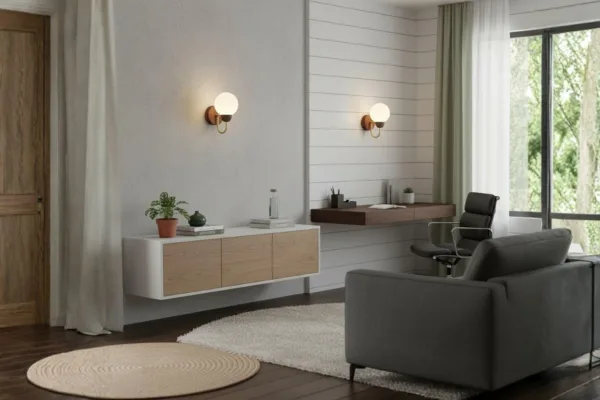
If you want a living room that feels calm the moment you walk in, Japandi is your answer. It blends Japanese minimalism with Scandinavian warmth — and the result is a space that feels clean, cosy, and incredibly put together. Think light wood tones, neutral fabrics, soft textures, and zero clutter. It’s a style that works beautifully in smaller apartments because it never feels busy.
Why It Works
Japandi removes visual noise. When a room has fewer things competing for your attention, it automatically feels bigger and more relaxing. The warm wood tones bring cosiness, and the neutral palette ties everything together without effort.
Best For
Studio apartments and small one-bedroom apartments where space is limited. Also perfect for anyone who finds busy décor stressful and wants a calm place to unwind after work.
Styling Tips
Start with a light-coloured sofa — cream, oatmeal, or warm white work best. Add a low wooden coffee table, and keep it clear. Bring in texture through a chunky knit throw and a woven rug. Stick to two or three muted tones throughout the room. Add one small indoor plant, like a peace lily or a pothos, for a touch of life. Keep surfaces clear — one decorative piece per shelf is plenty.
2. Moody Jewel-Tone Den
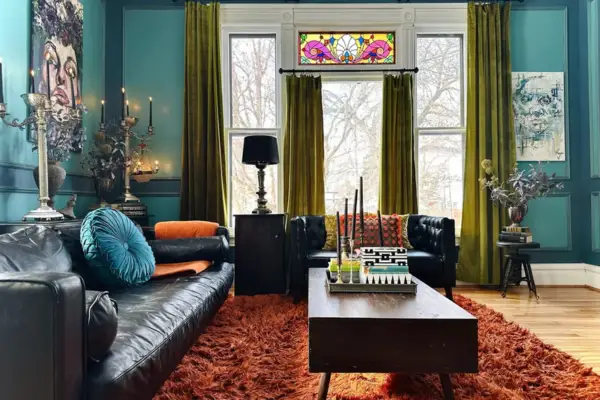
Not every apartment living room needs to be light and airy. Sometimes the most stunning spaces are the ones that lean into depth, drama, and richness. A moody jewel-tone living room uses deep colours — think forest green, midnight blue, burnt rust, or plum — to create a space that feels intimate, cosy, and full of personality. It’s the kind of room that feels like a warm hug on a cold evening.
Why It Works
Deep colours make a room feel intentional. They turn an ordinary rental living room into something that feels designed and layered. Dark tones also hide wear and tear beautifully — which is a huge bonus in a rental apartment.
Best For
Medium to large apartment living rooms. Also great for apartments with little natural light — counterintuitively, leaning into the darkness rather than fighting it creates a cosy, intentional look rather than a dim, neglected one.
Styling Tips
Paint one wall in a deep jewel tone if your landlord allows it — forest green and navy are the most popular choices right now. If you can’t paint, find a large jewel-toned sofa or a big area rug in a rich colour. Layer warm lighting using table lamps and floor lamps — avoid harsh overhead lighting. Mix velvet cushions with linen throws for texture. Add a brass or gold-toned lamp or side table to bring warmth against the dark backdrop.
3. Bouclé & Barrel Chair Lounge
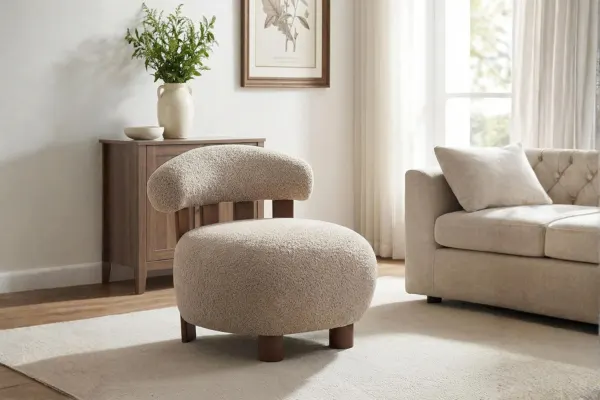
Forget the sofa. One of the most underrated apartment living room ideas is ditching the standard sofa altogether and going with a pair of barrel chairs instead. It sounds unusual, but when the chairs are covered in bouclé fabric — that gorgeous, cloud-like textured material — the result is a cosy, conversational, and very stylish living room that works brilliantly in narrow or awkward spaces.
Why It Works
A standard sofa often takes up the bulk of a small living room, leaving little else. Two barrel chairs give you the same seating capacity but allow for a more flexible, open layout. They also create an instant focal point — especially in bouclé, which photographs beautifully and feels luxurious to sit in.
Best For
Studio apartments, narrow living rooms, and anyone who entertains one or two guests at a time. Also ideal for renters who want to make a statement without committing to a bulky sofa.
Styling Tips
Place two bouclé barrel chairs facing each other at a slight angle, with a slim round coffee table or a small side table in between. Keep the rest of the room simple — the chairs are the star. Add a textured rug underneath to anchor the seating area. A tall floor lamp between or beside the chairs adds great reading light and ties the setup together.
4. Floor-to-Ceiling Window Living Room
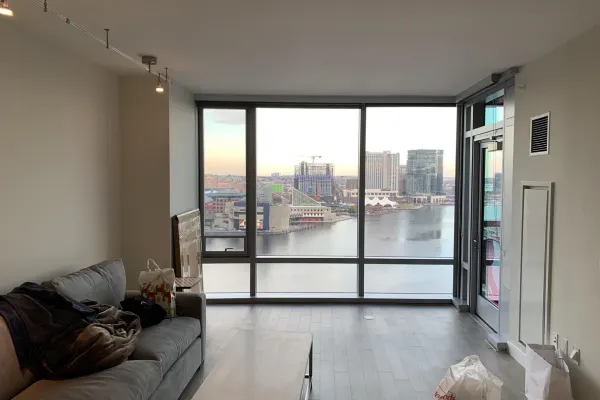
If your apartment has large windows — lucky you. This idea is all about making those windows the hero of your living room. Instead of dressing them up and hiding the view, you frame them, celebrate them, and let the natural light and cityscape (or greenery outside) become the main piece of décor in your room. Less stuff, more glass.
Why It Works
Natural light is the single most powerful design tool in any room. A living room flooded with daylight feels bigger, fresher, and more expensive — even if the furniture is modest. Floor-to-ceiling windows also create a connection to the outside world that makes even a small apartment feel expansive.
Best For
Urban apartments with a city view or any apartment with generous windows on one wall. Works best in medium to large apartment living rooms where you can pull furniture back from the windows and let the light fill the space.
Styling Tips
Keep window treatments light and sheer — linen curtains in white or cream let the light in while adding softness. Pull your sofa back from the windows rather than pushing it against the wall, so the light wraps around the seating area. Choose furniture in light, neutral tones so the room doesn’t get too heavy. Add a marble or glass coffee table to reflect the light. Avoid tall bookshelves near the windows — keep the sightlines clear.
5. Built-In Bookshelf Feature Wall
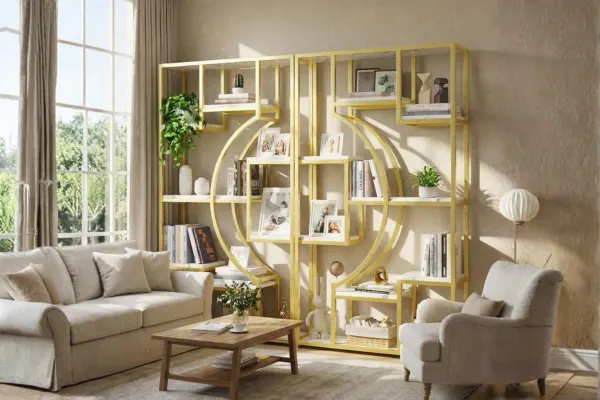
A floor-to-ceiling bookshelf wall is one of the most practical and beautiful things you can do with an apartment living room. It turns an entire wall into a functional feature — storage, display space, and décor all in one. And when styled properly, it looks like something straight out of an interior design magazine.
Why It Works
In an apartment, every inch counts. A bookshelf wall gives you enormous storage without taking up floor space. It also adds personality and depth to the room — no blank, boring walls. Books, plants, candles, and small art pieces bring the shelves to life and make the whole room feel curated and lived-in.
Best For
Any apartment size, but especially medium-to-large living rooms where one wall can be dedicated to shelving. Great for book lovers, collectors, and anyone who wants a lot of storage without it feeling cluttered.
Styling Tips
If you can’t install built-ins, use a large freestanding bookcase — the BILLY bookcase from IKEA, styled well, looks incredible. Style your shelves in sections rather than filling every inch. Group books by colour for a clean look, or mix books with small plants, candles, and objects you love. Leave some empty space on each shelf — breathing room is key. Add a small picture light or LED strip to the top of the shelves to make it glow warmly in the evenings.
6. Earthy Neutral Open-Plan Space
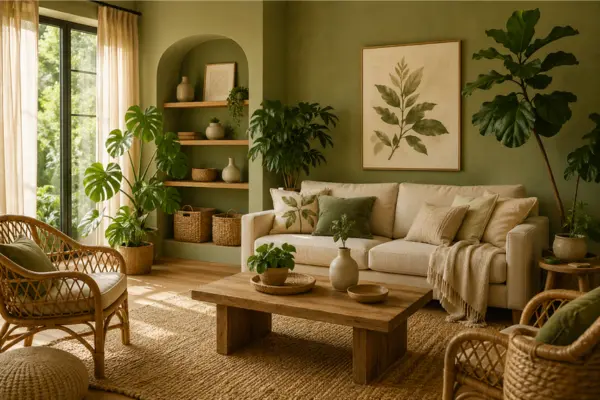
Earthy neutrals — think warm beige, soft terracotta, sandy tones, and muted sage green — have been dominating apartment interiors for a good reason. They’re easy to live with, they photograph beautifully, and they create a space that feels grounded and calming. When you apply this palette across an open-plan apartment living room, the entire space flows together effortlessly.
Why It Works
Earthy tones mimic the natural world, which is why they feel so comfortable and easy on the eye. In an open-plan apartment where the living room, dining area, and kitchen all share one space, a unified earthy palette creates visual harmony and makes the whole area feel cohesive rather than chaotic.
Best For
Open-plan apartments and studio layouts where the living room bleeds into other areas. Also great for people who change their décor accessories often — earthy neutrals work with almost everything.
Styling Tips
Start with a warm beige or oatmeal sofa as your base. Layer in a terracotta cushion or two, a sage green throw, and a sandy jute rug. Use wood-toned furniture to reinforce the earthy palette — light oak or walnut work beautifully. Add a few terracotta pots with trailing plants. Keep walls white or very light — the colour comes from the accessories and soft furnishings, not the walls.
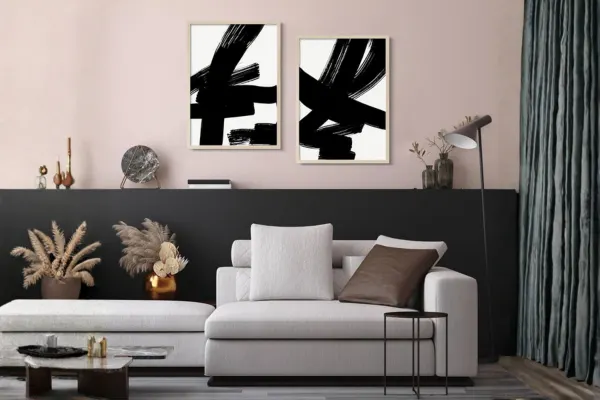
7. Maximalist Gallery Living Room
More is more — and done right, it’s glorious. A maximalist gallery living room embraces bold colour, layered pattern, and an abundance of art and objects that all come together to create a space bursting with personality. It’s the opposite of minimalism, and it is absolutely a valid — and very impressive — design choice for an apartment.
Why It Works
Maximalism fills a space completely, which actually works in favour of small apartments. When every surface and wall has something intentional on it, the room feels rich and full rather than small and sparse. It’s also a deeply personal style — every item in a maximalist room tells a story.
Best For
Larger apartment living rooms with higher ceilings and wall space for art. Also suits confident decorators who aren’t afraid of colour and pattern. Not recommended for small studios unless you go for a very curated, intentional version of maximalism.
Styling Tips
Start with a gallery wall — mix different frame sizes, colours, and types of art. Don’t overthink it. Lay your frames out on the floor first to find an arrangement you love before hanging anything. Layer your rugs — yes, two rugs on top of each other looks amazing. Mix your patterns (florals with stripes, geometric with abstract) but keep a consistent colour palette running through everything to stop it feeling chaotic. Fill your shelves, add plants, layer your cushions. The key rule is: everything should be something you love.
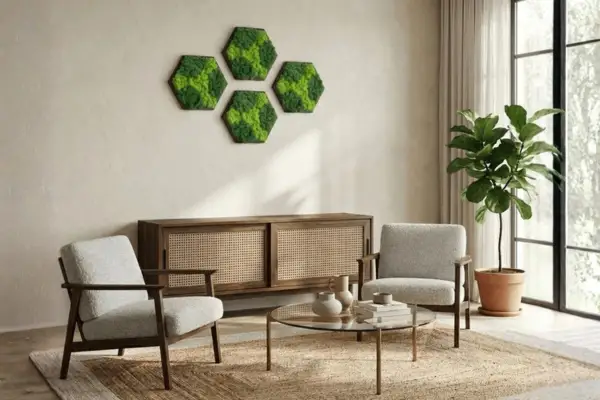
8. Biophilic Green Corner
Biophilic design simply means bringing nature indoors. And one of the easiest, most affordable ways to transform an apartment living room is to introduce generous amounts of greenery. We’re not talking about one small succulent on a shelf — we mean a dedicated green corner with multiple plants at different heights, creating a lush, living backdrop in your space.
Why It Works
Plants clean the air, reduce stress, and add colour and texture that no piece of furniture or fabric can replicate. A well-styled plant corner feels alive — literally. It brings warmth and energy into a room, and it photographs beautifully. Plus, plants are one of the most cost-effective ways to make a big visual impact.
Best For
Any size apartment living room. Especially effective in rooms that lack character or feel a bit flat. Works brilliantly in corners that are otherwise wasted or empty.
Styling Tips
Choose plants at three different heights — tall floor plants (fiddle leaf fig, bird of paradise, monstera), mid-height plants on a plant stand or side table, and small trailing plants on a shelf or hanging from the ceiling. Use a mix of pot materials — terracotta, white ceramic, and woven baskets — for variety. Group them tightly for the most impact. Don’t forget to match the plants to your light conditions — there’s a perfect plant for every apartment, regardless of how much sun you get.
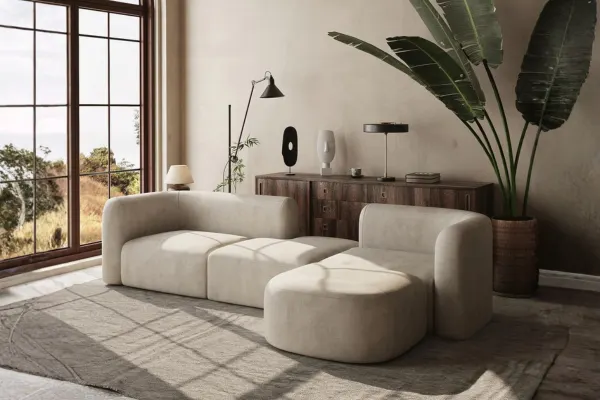
9. Curved Sofa Conversation Area
Curved furniture is having a major moment — and for good reason. A curved sofa or a set of curved chairs instantly softens a room. In an apartment living room with sharp architectural lines and boxy walls, curved pieces bring an organic, sculptural quality that makes the whole space feel more refined and considered. It also creates a naturally social, conversation-friendly layout.
Why It Works
Straight lines are everywhere in apartment buildings — in the walls, the windows, the door frames. Curved furniture breaks that pattern and creates visual interest. A curved sofa also encourages people to face each other slightly, which makes the seating area feel warm and inviting rather than like a cinema layout pointed at a screen.
Best For
Medium to large apartment living rooms. Particularly effective in open-plan spaces where the living area needs to be defined without using walls or dividers. Also great for apartments with an awkward curved architectural element — lean into it with curved furniture.
Styling Tips
Choose a curved sofa in a neutral tone — cream, camel, or a warm grey work beautifully. Pair it with a round coffee table (never square — the rounded shapes need to talk to each other). Add a large round rug underneath. Keep the rest of the furniture simple and angular to let the curved sofa remain the statement piece. A single oversized floor lamp beside the sofa completes the look.
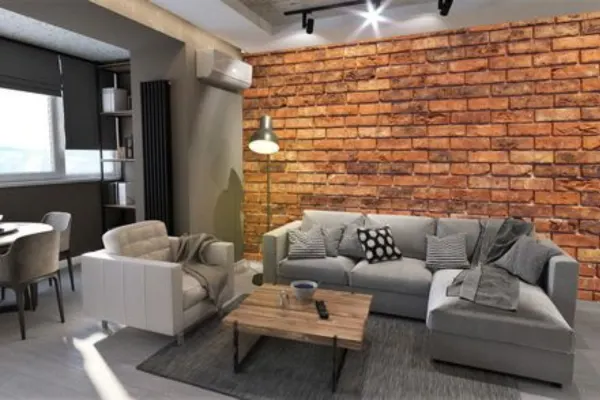
10. Industrial Brick Wall Setup
If your apartment has an exposed brick wall — even partially — you have one of the most coveted design features in apartment living. But even if you don’t have real brick, there are peel-and-stick brick panels and textured wallpapers that do a surprisingly convincing job. An industrial brick backdrop gives your living room instant character and a raw, urban edge that feels effortlessly cool.
Why It Works
Brick adds texture, warmth, and a sense of history to a space. In a modern apartment building with flat, smooth walls, brick breaks the monotony and creates an authentic focal point. It also pairs brilliantly with a wide range of furniture styles — from rustic and farmhouse to sleek and modern.
Best For
Urban apartments, loft-style spaces, and any living room that needs a strong focal point. Works in both small and larger apartments — in small rooms, one brick wall is enough; in larger rooms, you can extend it further.
Styling Tips
Let the brick be the star — keep the rest of the room simple. A dark leather sofa or a warm grey fabric sofa looks incredible against exposed brick. Add warm Edison bulb lighting — wall sconces or a floor lamp with a warm-toned bulb. Layer in wood accents through a coffee table, side tables, or shelving. A few trailing plants and some vintage or industrial-style accessories finish the look perfectly.
11. Scandinavian Light Wood Retreat
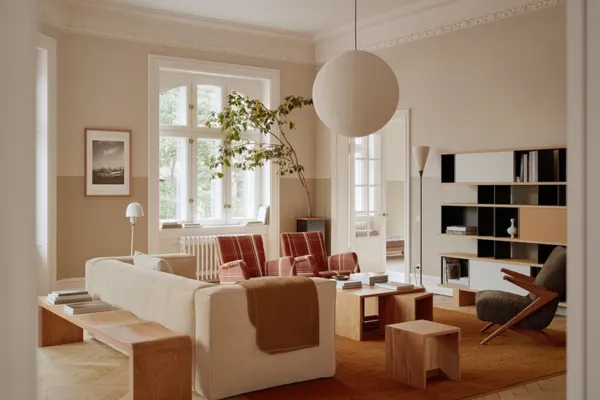
Scandinavian design has been popular for decades, and it shows no signs of slowing down. The reason is simple: it works. Light wood tones, white walls, simple clean lines, and carefully chosen accessories create a living room that feels airy, organised, and deeply comfortable. It’s the style equivalent of a deep breath — calm, clear, and easy to maintain.
Why It Works
Light wood furniture reflects natural light and makes a room feel larger. The restrained colour palette keeps the space from feeling busy, and the focus on quality over quantity means every piece earns its place. It’s also a very practical style for apartment living — it doesn’t require much square footage to look great.
Best For
Small to medium apartment living rooms. Ideal for first-time decorators who want a reliable, always-stylish starting point. Also great for minimalists who want warmth without going dark or maximalist.
Styling Tips
Choose a white or very light grey sofa and pair it with a light oak or birch wood coffee table and side tables. Add warmth through a chunky wool rug in a natural cream or oatmeal tone. Keep accessories to a minimum — a ceramic vase, a stack of books, one small plant. Add warm white fairy lights or a simple pendant lamp for evening ambiance. Avoid anything too shiny or reflective — Scandinavian style is all about matte, natural textures.
12. Color-Drenched Accent Room
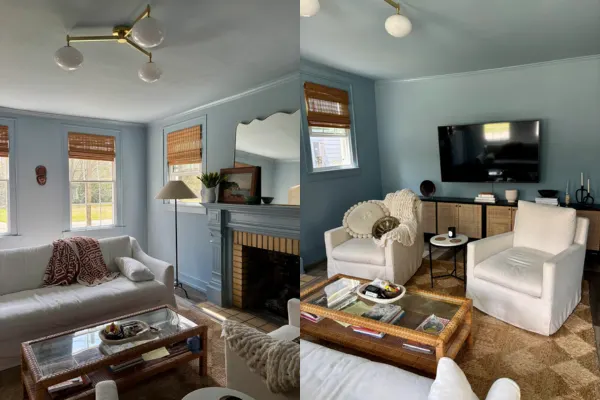
Colour drenching is the technique of painting not just the walls but also the ceiling, skirting boards, and even the door frames all in the same deep, saturated colour. The result is a room that feels completely immersive — like being wrapped inside a colour. It sounds intense, but it’s one of the most dramatic and stunning things you can do to an apartment living room, especially a small one.
Why It Works
When you colour drench a room, the boundaries between the walls, ceiling, and floor visually blur. This actually makes a small room feel more spacious because your eye can’t easily identify where the room ends. It also makes a bold, confident design statement without a single piece of expensive furniture.
Best For
Small apartment living rooms, or any space that lacks architectural features. Brilliant for renters who are allowed to paint — check your tenancy agreement first. Also great for anyone who wants maximum impact with minimum effort.
Styling Tips
Choose a rich but liveable colour — deep teal, earthy terracotta, forest green, or warm rust are all beautiful choices. Paint the walls, ceiling, and woodwork in the same tone. Add furniture and accessories in contrasting natural tones — cream, warm white, natural linen, or wood. Warm lighting is essential in a colour-drenched room — use table lamps and avoid harsh overhead ceiling lights. One large mirror will open the space up beautifully.
13. Multifunctional Studio Living Zone
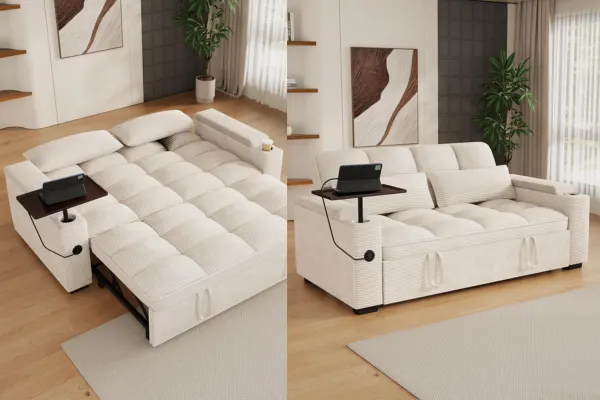
In a studio apartment, your living room often has to do multiple jobs. It’s where you relax, work, eat, and sometimes sleep. The key to making this work is zoning — creating clearly defined areas within the open space so each zone feels intentional, not like a chaotic mix of everything crammed together.
Why It Works
When a studio is well-zoned, it stops feeling like one messy room and starts feeling like a small but well-designed home. Each zone has its own purpose, its own lighting, and its own visual identity — which tricks the eye into perceiving the space as larger and more organised than it might actually be.
Best For
Studio apartments and open-plan one-bedroom apartments where the living area serves multiple functions. Essential for anyone who works from home and needs to separate their work space from their relaxation space.
Styling Tips
Use rugs to define each zone — the living area gets one rug, the dining area gets another. Position your sofa with its back to the working or sleeping area — the back of a sofa acts as a soft room divider. Use a bookshelf or a curtain panel to create more separation if needed. Keep lighting zone-specific: a desk lamp for the work area, a floor lamp for the sofa zone, and pendant lighting for the dining table. This way, in the evenings, you can light only the areas you’re using and the whole space transforms.
14. Vintage Eclectic Mix Lounge
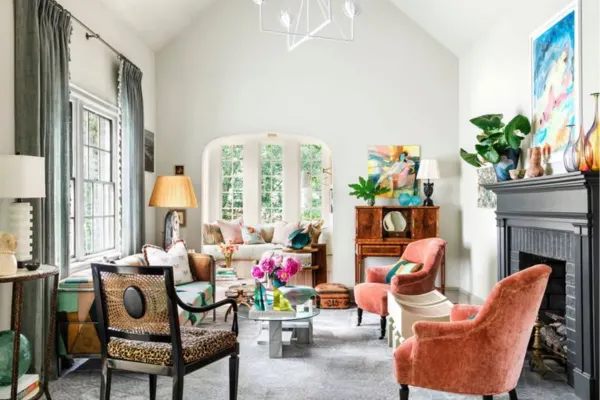
A vintage eclectic living room is one that draws from different eras, styles, and origins — and blends them together in a way that feels collected and personal rather than mismatched. Think a mid-century modern sofa next to a Victorian side table, topped with a contemporary lamp. This style is one of the most forgiving and enjoyable to create because there are no strict rules.
Why It Works
Vintage and eclectic rooms feel lived-in and authentic in a way that showroom-perfect rooms often don’t. Every piece has character. And because you’re mixing eras and styles, you can shop second-hand and budget-friendly without it looking like you’re cutting corners — in fact, the mix is the point.
Best For
Medium to large apartment living rooms. Also great for anyone who loves to browse flea markets, vintage shops, and charity stores. This style works best when you have enough space to let each piece breathe and be seen properly.
Styling Tips
Anchor the room with one or two solid, quality pieces — a well-made sofa and a good rug. Then build around them with vintage finds. Don’t match everything — that’s the whole point. But do keep one consistent thread running through the room, whether that’s a colour palette, a material (like brass or rattan), or a feeling. A gallery wall of mismatched frames with vintage prints, maps, and personal photos looks stunning in an eclectic room.
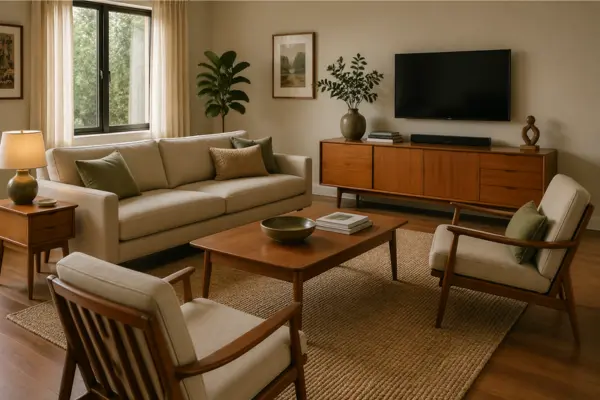
15. Warm Metallic & Texture Layering
This idea is all about adding richness to your apartment living room through the combination of warm metallic finishes and layered textures. Brass, bronze, and gold-toned accents paired with velvet, bouclé, linen, and wood create a space that feels luxurious and multi-dimensional — even in a smaller apartment.
Why It Works
Metallic accents catch and reflect light, which makes a room feel warmer and more alive in the evenings especially. Layering different textures adds visual depth, which makes a room feel more interesting and expensive without requiring you to buy high-end furniture. It’s one of the most effective ways to elevate a budget living room.
Best For
Any size apartment living room. Particularly effective in spaces with limited natural light, where the warmth of metallics and rich textures compensates beautifully.
Styling Tips
Start small with metallics — a brass lamp, a gold picture frame, a bronze vase. You don’t need much; these pieces punch above their weight. Then focus on layering textures: velvet cushions on a linen sofa, a wool rug on wooden floors, a rattan side table next to a metal lamp. The more textures you layer, the richer the room feels. Keep your colour palette neutral so the textures and metallics do the talking.
16. Compact Loveseat & Ottoman Duo
Sometimes the simplest solutions are the best. A loveseat — a small two-seater sofa — paired with one or two ottomans is one of the smartest furniture choices you can make in a small apartment living room. It gives you comfortable seating, flexibility, and open floor space, all at once.
Why It Works
A loveseat takes up significantly less space than a standard three-seater sofa but still gives you a proper, comfortable place to sit. Ottomans are the ultimate multi-taskers — they work as footrests, extra seating, and a coffee table with a tray on top. The combination gives you a living room that works hard without overcrowding the space.
Best For
Small apartments, studio spaces, and narrow living rooms where a full-size sofa would dominate the space. Also perfect for people who live alone or as a couple and don’t regularly need to seat large groups.
Styling Tips
Choose a loveseat with clean lines and slim legs — legs raise furniture off the floor, which visually opens up the space. Pair it with a large, firm ottoman that can double as a coffee table — add a wooden tray on top to give it a flat, stable surface for drinks and books. Pull the loveseat and ottoman away from the wall slightly — floating furniture always looks more intentional and creates better traffic flow than furniture pressed against walls.
17. Statement Rug Anchor Layout
If your apartment living room feels a bit lost or formless, a statement rug might be exactly what it needs. A large, boldly patterned or richly coloured rug can anchor an entire room — pulling the furniture together, defining the space, and injecting personality into a room that might otherwise feel bare and forgettable.
Why It Works
A rug is essentially a painting for your floor. It ties furniture together into a cohesive grouping and gives the eye a focal point to land on. In apartment living rooms with basic white walls and standard flooring, a statement rug is often the single most transformative purchase you can make.
Best For
Any apartment living room, but especially those with plain or laminate flooring, and rooms where the walls are too plain. Works in both small and large spaces — the size of the rug just needs to be scaled correctly.
Styling Tips
Go bigger than you think you need to. The most common rug mistake is choosing one that’s too small — ideally, all the front legs of your sofa and chairs should sit on the rug. Choose a pattern or colour that you genuinely love, because you’ll look at it every day. Moroccan-style rugs, Persian-inspired patterns, and chunky natural weaves are all popular and timeless choices. Layer a smaller rug on top of a large, plain jute rug for extra depth.
18. Modular Sectional Apartment Setup
A modular sectional sofa is a brilliant choice for an apartment because it’s flexible. You can arrange the pieces in different configurations to suit your space, rearrange when you move, and add or remove sections as your needs change. It’s like a sofa that grows and evolves with your life.
Why It Works
Most apartment living rooms have unusual dimensions — a long narrow room, an L-shaped space, or an awkward corner. A modular sectional can adapt to all of these. You can create an L-shape to fill a corner, a U-shape for larger spaces, or a simple two-piece setup for a narrow room. No other sofa type offers that level of flexibility.
Best For
Medium to large apartment living rooms, especially L-shaped rooms, open-plan spaces, and any room with an awkward layout. Also great for people who move frequently and want furniture that can adapt to different floor plans.
Styling Tips
Keep the sectional in a neutral tone — it’s a big piece and it will anchor the room, so you want it to be versatile. Style it with cushions in varying sizes and textures for visual interest. Place a large round rug underneath the sectional to define the living area within an open-plan space. Because the sofa is substantial, keep other furniture minimal — one coffee table, one side table, and one lamp is usually enough.
19. Farmhouse Comfort Living Room
Farmhouse style brings warmth, simplicity, and a touch of nostalgia to an apartment living room. It’s all about comfortable, unpretentious furniture, natural materials, and a colour palette that feels as though it was designed to go with Sunday mornings and hot coffee. Think shiplap-style walls (or the suggestion of them), linen sofas, wooden beams if you’re lucky enough, and a general feeling of easy, relaxed comfort.
Why It Works
Farmhouse style is inherently cosy. It prioritises comfort and liveability over perfection, which makes it one of the most realistic and manageable styles to achieve in a real apartment. It’s also a style that welcomes imperfections — vintage finds, slightly mismatched items, and worn textures all fit beautifully.
Best For
Small to medium apartment living rooms. Great for families, couples, and anyone who wants their living room to feel genuinely welcoming rather than styled to within an inch of its life.
Styling Tips
Start with a slipcovered sofa in white or cream — slipcovers are perfect for renters because they’re washable and changeable. Add a wood coffee table with some natural marks and character — a perfectly polished table would feel too formal for this style. Layer in linen cushions, a woven throw, and a thick jute rug. Add a wooden side table with a simple ceramic lamp. A few candles and a vase of dried grasses or wildflowers finish the look perfectly.
20. Modern Monochrome Grey Lounge
A monochrome grey living room sounds like it might be cold and clinical, but done well, it’s sophisticated, calm, and timelessly stylish. The secret is variation — using multiple shades and tones of grey, from pale silver to deep charcoal, and layering different textures within that single colour family so the room feels rich rather than flat.
Why It Works
Grey is one of the most versatile neutral tones in interior design. It works with warm wood, cool metal, soft linen, and bright pops of colour equally well. A monochrome grey room also photographs exceptionally well — it always looks polished and considered, regardless of the size of the space.
Best For
Medium to large apartment living rooms. Also great for those who love a clean, modern aesthetic and want a room that works as a calm backdrop for their daily life without requiring constant updating or redecorating.
Styling Tips
Layer at least four to five shades of grey throughout the room — don’t just pick one. Start with a mid-grey sofa, add charcoal cushions, a light silver rug, and some dark grey candle holders. Introduce warm wood tones through a coffee table or floating shelves — this stops the room from feeling cold. Add a bright white lamp shade for contrast. One or two green plants bring life and colour to a monochrome room beautifully.
21. Bistro Table & Sofa Combo Room
This is one of my favourite clever apartment ideas, and it’s one you rarely see talked about. Instead of a standard coffee table in front of your sofa, you add a small bistro table and two matching chairs to one corner of the living room. This creates a charming nook for coffee, breakfast, or an intimate dinner, without the need for a separate dining room — which most apartments don’t have.
Why It Works
The bistro table nook adds enormous functionality to a living room without taking up much space. It gives you a proper place to sit and eat, work, or have a cup of tea in the mornings — completely separate from the sofa. It also adds a lovely café-inspired character to the room that feels both practical and atmospheric.
Best For
Small apartments without a separate dining room. Also brilliant for people who work from home and want a dedicated spot for morning coffee that isn’t their desk. Works in small to medium living rooms.
Styling Tips
Choose a small round bistro table — round tables take up less visual space than square ones and are easier to navigate around. Pair it with two lightweight bistro chairs that can be moved easily. Position the table near a window if possible — natural light makes a bistro nook feel especially charming. Add a small pendant light above the table, or a clip-on light, to define the space at night. Keep the table dressed simply — a small plant, a candle, and a coaster is all you need.
22. Wall-Mounted Décor Rental-Friendly Space
Renting an apartment usually comes with restrictions — no painting, no drilling, no permanent changes. But that doesn’t mean your living room has to be bare and forgettable. There are now so many clever, damage-free ways to add style, art, and personality to rental walls — and when done well, the result looks just as good as a fully owned, renovated space.
Why It Works
Wall art and décor are two of the most powerful tools in interior design. They draw the eye upward, create focal points, and inject personality into a room. Not having them makes a room feel half-finished, no matter how good the furniture is. The rental-friendly approach means you get all the benefits without risking your deposit.
Best For
Rental apartments of any size. Essential for anyone in a short-term lease who wants their space to feel like a home without making permanent changes.
Styling Tips
Use adhesive picture-hanging strips — brands like Command work brilliantly for frames up to a certain weight. Create a large gallery wall with frames of different sizes for maximum impact. Lean large art prints and mirrors against the wall rather than hanging them — a large leaning mirror can completely transform a room. Use removable wallpaper or peel-and-stick tiles for a feature wall. Add floating shelves using adhesive or tension-style shelf brackets — style them with books, plants, and small objects to create a lived-in look.
23. Warm Lamp-Lit Cosy Movie Den
Some living rooms are designed to look at. This one is designed to be in. A cosy, warm lamp-lit movie den is all about atmosphere — the kind of room where you sink into the sofa, pull a throw over yourself, and never want to leave. It’s about lighting, comfort, and texture above everything else, and it’s one of the most achievable and genuinely liveable apartment living room ideas on this list.
Why It Works
Lighting is the most underrated element of interior design. The same room can look completely different with the right lamp versus a harsh overhead light. Warm, layered lighting from multiple sources at different heights creates depth, intimacy, and comfort — the kind of feeling that makes a room feel like a real sanctuary.
Best For
Any size apartment, particularly for people who work long hours and use their living room primarily as a place to decompress and relax. Brilliant for film lovers, readers, and anyone who prioritises comfort over Instagram aesthetics.
Styling Tips
Remove or dim your overhead lighting entirely and rely on lamps instead. Place a floor lamp beside the sofa, a table lamp on the side table, and some warm LED candles or a string of warm fairy lights on a shelf for ambient glow. Choose bulbs in a warm white or amber tone — avoid cool daylight bulbs in a cosy room. Invest in a genuinely comfortable sofa with generous seat depth. Layer cushions and throws generously. A large plush rug underfoot completes the den feeling.
24. Floating Furniture Open-Flow Layout
The final idea on this list is less about a visual style and more about a principle — and it’s one that applies to every apartment living room, regardless of size or aesthetic. Floating your furniture — pulling it away from the walls and arranging it in the centre of the room — is one of the most effective layout tricks in interior design. It transforms how a room feels to be in.
Why It Works
Most people instinctively push furniture against the walls to “create space.” But this actually makes a room feel smaller and more awkward, because it creates a large dead zone in the middle and makes the room feel like a waiting room. Floating furniture inward creates intimacy, improves traffic flow, and makes the space feel purposefully designed rather than accidentally arranged.
Best For
All apartment sizes — but particularly medium and larger rooms where the effect is most dramatic. Essential knowledge for anyone who feels like their living room just doesn’t quite work, no matter what they try.
Styling Tips
Pull your sofa at least a few inches away from the wall — even a small gap makes a difference. Position the coffee table within easy reach from the sofa — roughly 40cm to 50cm between the sofa and the table is the sweet spot. If the room is large enough, place a console table or a low bookshelf behind the sofa to fill the gap between the sofa and the wall. Use a large rug to anchor the entire floating furniture arrangement and give it structure.
Mistakes to Avoid
Even the best ideas can go wrong if a few common mistakes creep in. Here are the ones I see most often in apartment living rooms — and how to sidestep them.
Choosing a rug that’s too small. This is the number one mistake in apartment living rooms. A rug that’s too small makes a room look disjointed and unfinished. Always size up — at the very minimum, the front legs of your sofa should sit on the rug.
Pushing all furniture against the walls. It feels logical, but it creates a room that looks like a dentist’s waiting room. Float your furniture inward and watch the room transform.
Ignoring lighting. A beautiful room with harsh overhead lighting feels cold and flat. Layer your lighting — floor lamps, table lamps, and warm ambient sources make all the difference.
Overcrowding a small space. More furniture does not mean more style. In a small living room, every piece needs to earn its place. If something isn’t functional or beautiful, it doesn’t belong in the room.
Buying everything from the same store. A room where everything matches perfectly looks like a showroom, not a home. Mix sources — combine a high-street sofa with a vintage side table and some flea market finds for a space that feels real and personal.
Neglecting vertical space. In an apartment, you can’t expand sideways. Go upward. Tall bookshelves, wall art that extends high, and floor-to-ceiling curtains all draw the eye up and make ceilings feel higher and rooms feel larger.
Forgetting about scale. Tiny furniture in a large room looks lost. Oversized furniture in a small room looks oppressive. Always consider the scale of each piece relative to the room and to the other furniture around it.
Conclusion
Your apartment living room has more potential than you probably realise. It doesn’t matter if it’s small, awkwardly shaped, or stuck in a rental agreement with white walls and beige carpets. With the right approach — the right layout, the right lighting, and a handful of well-chosen pieces — you can turn it into a space you’re genuinely proud of.
The 24 ideas in this post cover everything from bold and dramatic to calm and minimal, from budget-friendly renter hacks to statement design choices. The best approach is to pick the two or three ideas that speak to you most, and start there. You don’t have to do everything at once.
Start with your furniture layout, because that costs nothing and makes the biggest difference. Then add lighting. Then layer in texture and colour through accessories. Small steps, done consistently, lead to a living room you’ll love.
FAQs
How do I make a small apartment living room look bigger?
The most effective tricks are using light, neutral colours on the walls and furniture; choosing furniture with slim legs that reveal more floor; using a large rug rather than a small one; floating your furniture away from the walls; and hanging curtains as close to the ceiling as possible to draw the eye upward. Mirrors also work brilliantly — a large mirror on one wall can visually double the sense of space.
What is the best sofa size for an apartment living room?
It depends on your room dimensions, but as a general rule, avoid sofas longer than 220cm in a small room. A loveseat (around 150cm) or a compact two-seater (around 180cm) works well in studios and small apartments. In medium rooms, a standard three-seater (around 220cm) is usually fine. Always measure your room — including the doorway the sofa needs to get through — before you buy.
How do I decorate a rental apartment living room without damaging walls?
Use adhesive picture-hanging strips for frames, removable wallpaper or peel-and-stick tiles for feature walls, large leaning mirrors and art prints instead of hung ones, and tension-mounted curtain rods that don’t require drilling. Focus your decorating energy on furniture, rugs, lighting, and plants — none of which require touching the walls at all.
What colour should I paint my apartment living room walls?
If you’re allowed to paint, warm whites, soft greiges (grey-beige), and muted sage greens are the most universally flattering choices for apartment living rooms. If you want to make a bolder statement, colour drenching in a deep jewel tone (forest green, navy, terracotta) works beautifully in smaller rooms. Always test a paint sample on the actual wall and look at it in both daylight and evening light before committing.
How do I create zones in an open-plan apartment living room?
Use rugs to define each area — one under the sofa and coffee table for the living zone, another under the dining table. Position your sofa with its back to the rest of the space to create a natural division. Use pendant lighting or a floor lamp to define the living area specifically. A bookshelf or a curtain panel can also act as a soft room divider without closing the space off completely.
What’s the most important thing to get right in an apartment living room?
Lighting. It changes everything. A beautifully furnished room with bad lighting will always feel disappointing, while a simply furnished room with warm, layered lighting will feel wonderful. Ditch the single overhead bulb, invest in a couple of good floor and table lamps, choose warm bulbs, and watch your entire living room transform.