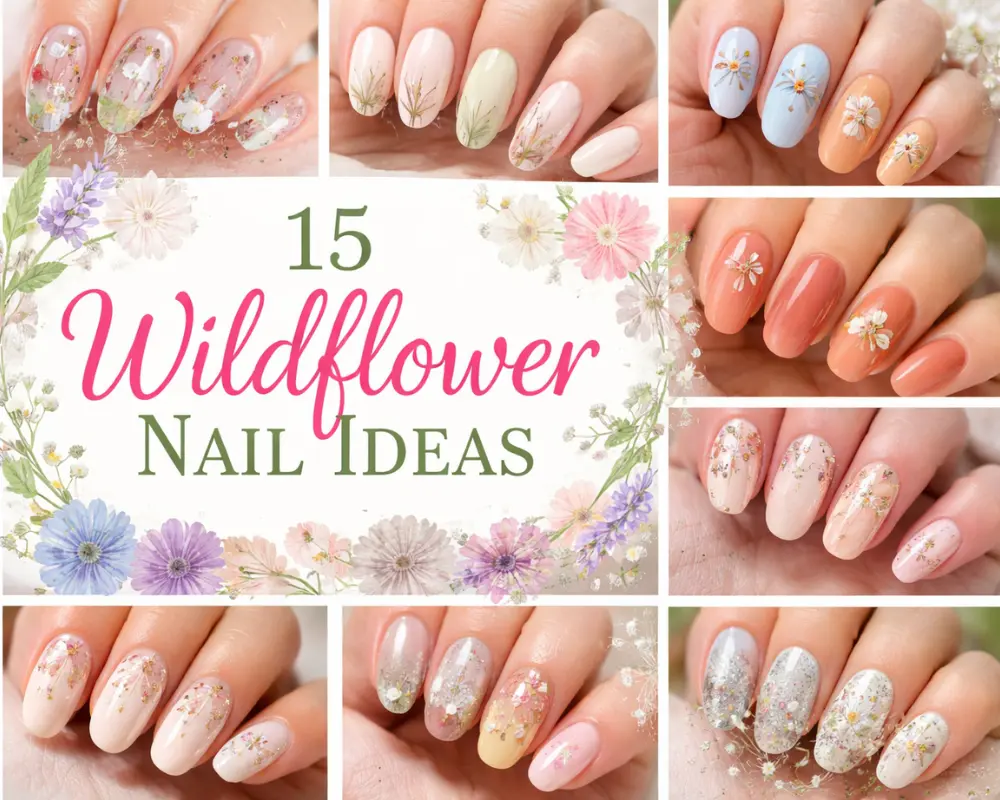
15 Beautiful Wildflower Nail Ideas You Can Easily Try at Home
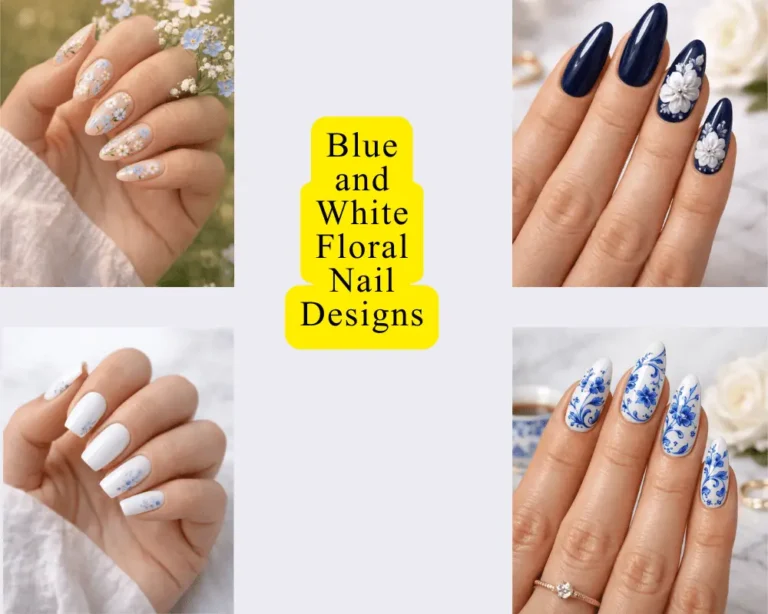
Wildflower nails are soft, pretty, and perfect for anyone who loves nature-inspired beauty. These designs are inspired by tiny meadow flowers, delicate petals, and fresh spring colors. The best part is that wildflower nails can be simple and easy to create, even if you are just starting with nail art at home.
In this post, you will discover 15 different wildflower nail ideas that are all unique and attractive. Some designs are soft and minimal, while others are colorful and playful. Each one can be adjusted to fit short or long nails, and you don’t need professional tools to try most of them.
1) Milky Nude + Mini Daisy French Tips
A milky nude base is soft, clean, and goes with everything. For this look, you keep the base simple and add tiny daisies right along the French tip line (the “smile line”). The daisies make it feel fresh and springy without looking too busy. It’s a perfect option if you want something cute but still natural-looking.
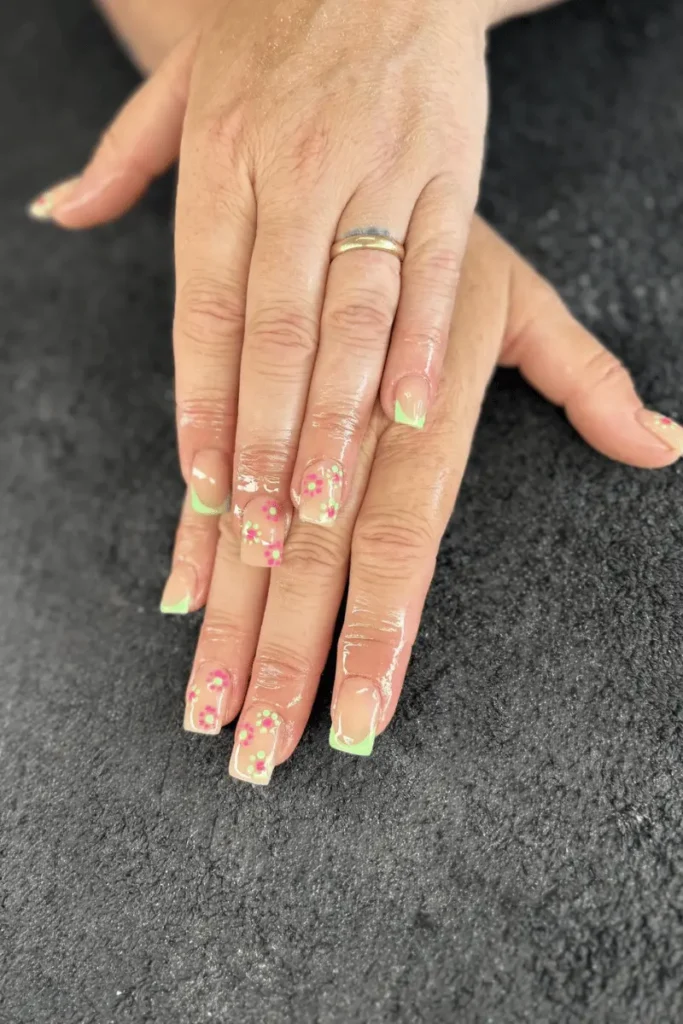
To do it as a beginner, paint two thin coats of a milky nude polish and let it dry fully. Then make your French tip with white polish. If you don’t have a steady hand, use French tip guides or a small makeup sponge to dab the white edge. Finish by letting the tips dry before you start the daisies.
For the daisies, use a dotting tool, toothpick, or bobby pin. Dot 5–6 small white dots in a circle to form petals, then add a tiny yellow dot in the center. Do one or two daisies per nail, or only on a few accent nails. Seal everything with a glossy top coat so the petals look smooth and last longer.
2) Clear “Encapsulated” Wildflowers
Encapsulated wildflower nails look like little flowers are trapped inside glass. The design is usually done with clear builder gel or thick clear gel, so the petals look layered and shiny. The final result feels delicate and “salon-like,” but you can still try a simplified version at home with nail stickers or dried flower pieces.
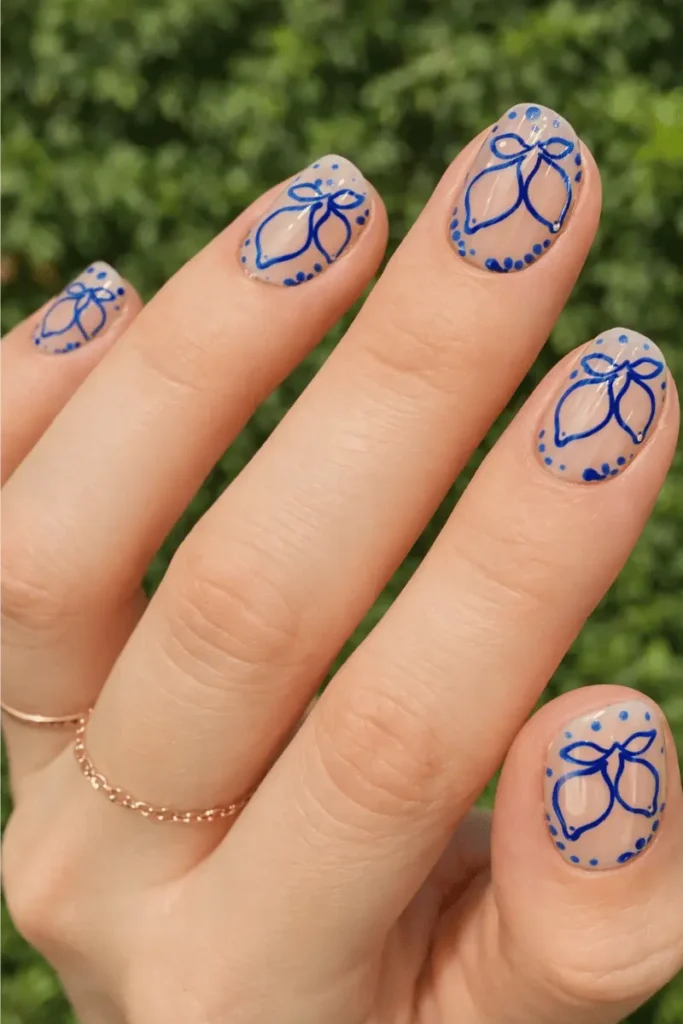
Beginner-friendly method: start with a clear or sheer pink base. If you have dried flower flakes, place a tiny piece on the nail while the polish is slightly tacky. If you don’t have real dried flowers, use floral decals or stickers instead—those are much easier and still give the same vibe.
To “encapsulate,” add a thicker clear top coat (or gel top coat if you use gel products). Apply one layer, let it dry, then apply a second layer to smooth everything out. The goal is to cover the edges of the flower so it doesn’t snag. Finish with one last glossy coat for that glassy, sealed-in look.
3) Hand-Painted “Wildflower Field” Tips
This design looks like a tiny meadow living at the tips of your nails. The base stays neutral (sheer pink, nude, or milky white), and the wildflowers sit mostly on the free edge. It’s colorful and cheerful, but the neutral base keeps it wearable. It’s especially pretty on almond or oval nails, but it works on short nails too.
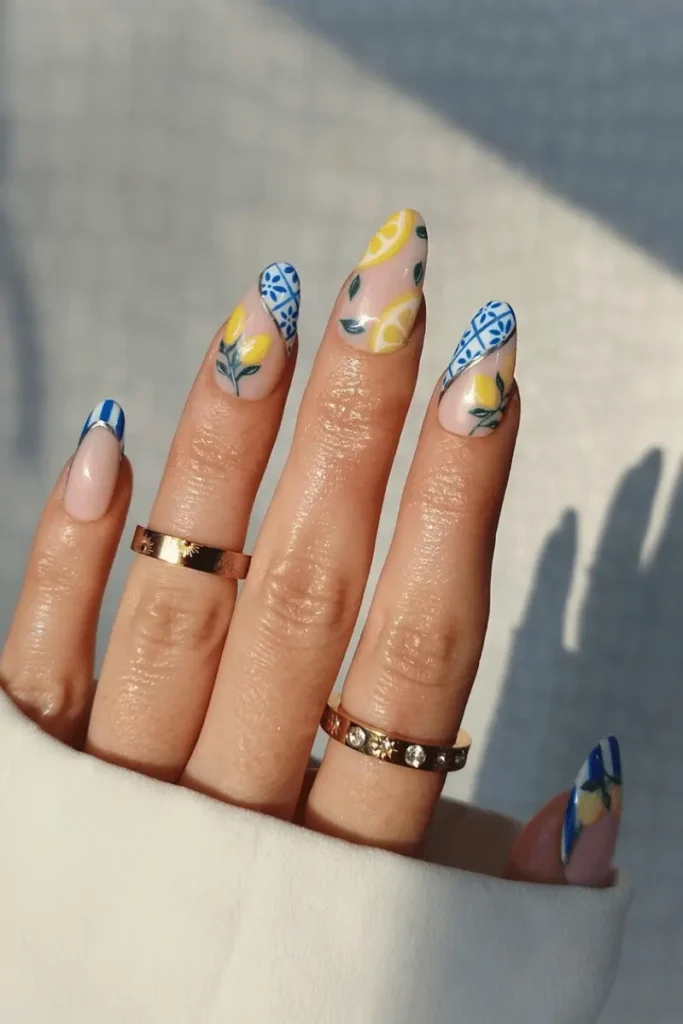
Start with a sheer base and let it dry completely. Then choose 2–4 flower colors so it doesn’t get messy. Use a thin nail art brush, toothpick, or the tip of a bobby pin to make small petal shapes. Paint simple flowers like daisies, tiny dots for buds, and thin green lines for stems.
To keep it beginner-friendly, don’t try to paint perfect flowers. Instead, aim for “suggestions” of flowers—little dots and short strokes look wild and natural. Add flowers on the tips only, leaving some empty space. After everything dries, apply the top coat carefully to avoid dragging the paint, and you’ll have a sweet, meadow-like finish.
4) Negative-Space Stem Accents
Negative-space nails are great for beginners because you don’t have to cover the whole nail with art. With this style, part of your nail stays bare (or just clear polish), and you paint a few thin green stems with tiny buds. It looks modern, clean, and elegant. The best part is that little imperfections don’t stand out much.
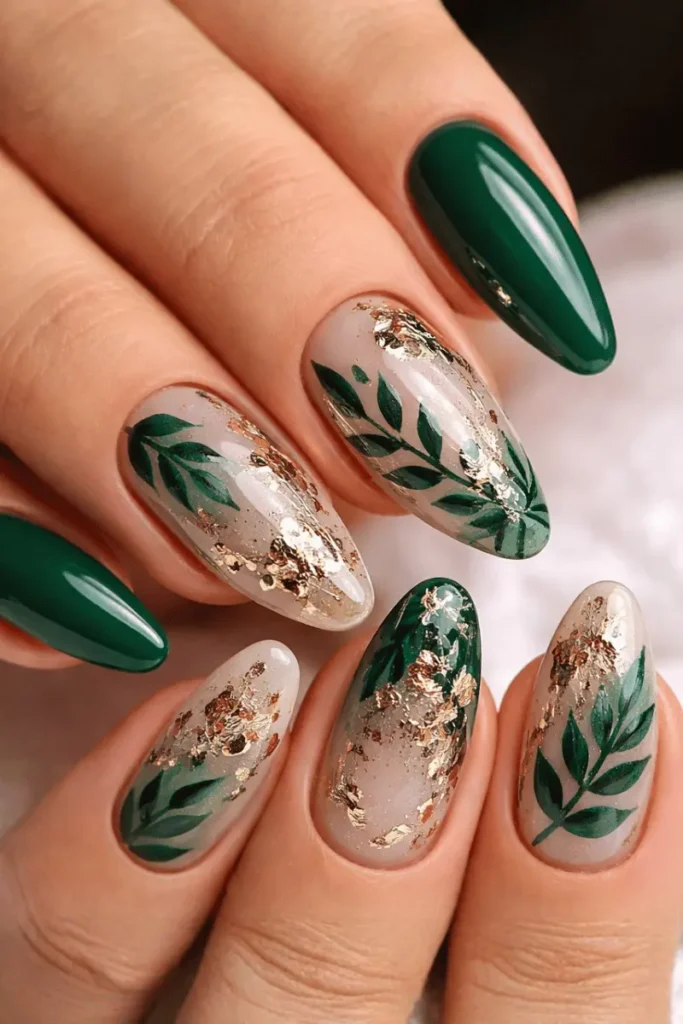
Start with a clear base coat to protect your natural nails. Then use a thin brush or toothpick to draw a few gentle curved lines from the bottom of the nail upward. Keep the lines light and simple—two or three stems per nail is enough. Add tiny dots at the end for buds in white, yellow, or soft pink.
If your lines feel shaky, that’s okay—wildflowers aren’t perfectly straight. To make it look extra polished, choose one accent color for the buds and use it across the set. Finish with a glossy top coat to smooth the surface. This design grows out nicely too, so it stays cute for longer.
5) Micro-Florals Scattered on Sheer Pink
Micro-florals look like tiny flowers sprinkled across your nails like confetti. A sheer pink base makes the whole look soft, delicate, and super wearable. This is one of the easiest wildflower styles because you can place the tiny flowers anywhere, and it still looks intentional. It’s sweet, minimal, and perfect for everyday use.
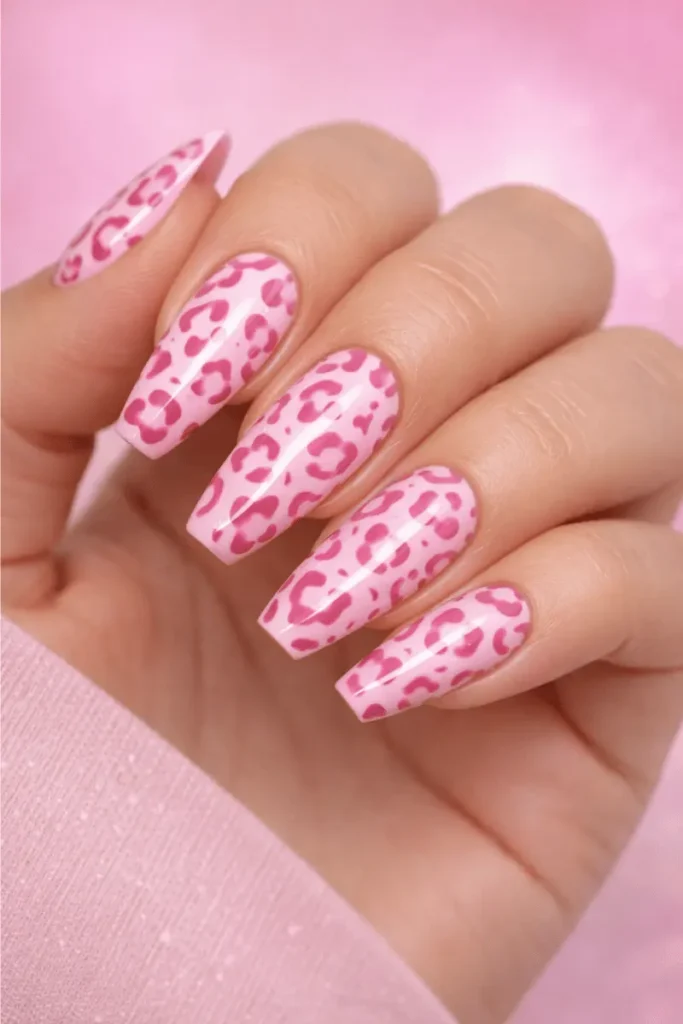
Start with a sheer pink polish (or mix a drop of pink into clear polish). Apply two thin coats and let them dry. Then choose one simple flower shape, like tiny daisies or five-dot blossoms. Use a dotting tool, toothpick, or bobby pin to add small petal dots.
Scatter the flowers lightly—try 2–4 tiny flowers per nail. Add a small yellow or white center dot to finish each one. Keep sizes slightly different so they feel natural. If you want an even easier method, use tiny floral nail stickers. Seal with top coat so everything looks smooth and lasts.
6) Lavender Sprigs on a Pastel Base
Lavender sprig nails feel calm, cozy, and a little “cottagecore.” You can use a pastel base like light lilac, milky white, or pale pink, then paint simple lavender sprigs as accents. This design looks detailed, but it’s actually just tiny dots placed in the right direction. It’s great if you want something floral but not super colorful.
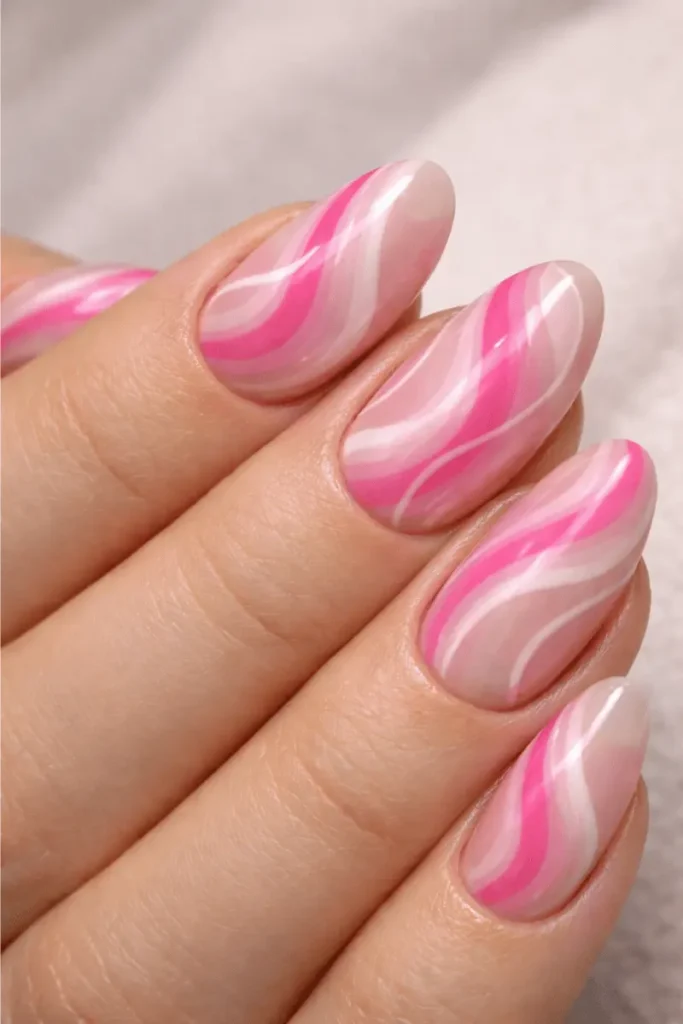
Paint your pastel base first and let it dry fully. Next, use a thin brush or toothpick to draw one thin green line for the stem. Then dot small purple or lavender dots along the sides of that line, going upward. You don’t need perfect symmetry—lavender looks best when it’s slightly uneven and natural.
Do lavender sprigs on two accent nails, and keep the rest solid pastel for a clean look. If you want more detail, add a couple tiny leaves near the bottom. Finish with a top coat. For beginners, using dot shapes instead of full petals makes this design much easier and still very pretty.
7) Nude Nails + 1–2 Feature Wildflower Nails
If you want something simple but still special, this is a perfect choice. Most nails stay nude or sheer, and only one or two nails on each hand get the full wildflower art. That way, you get the “wow” moment without having to paint detailed designs on every nail. It also feels neat and balanced.
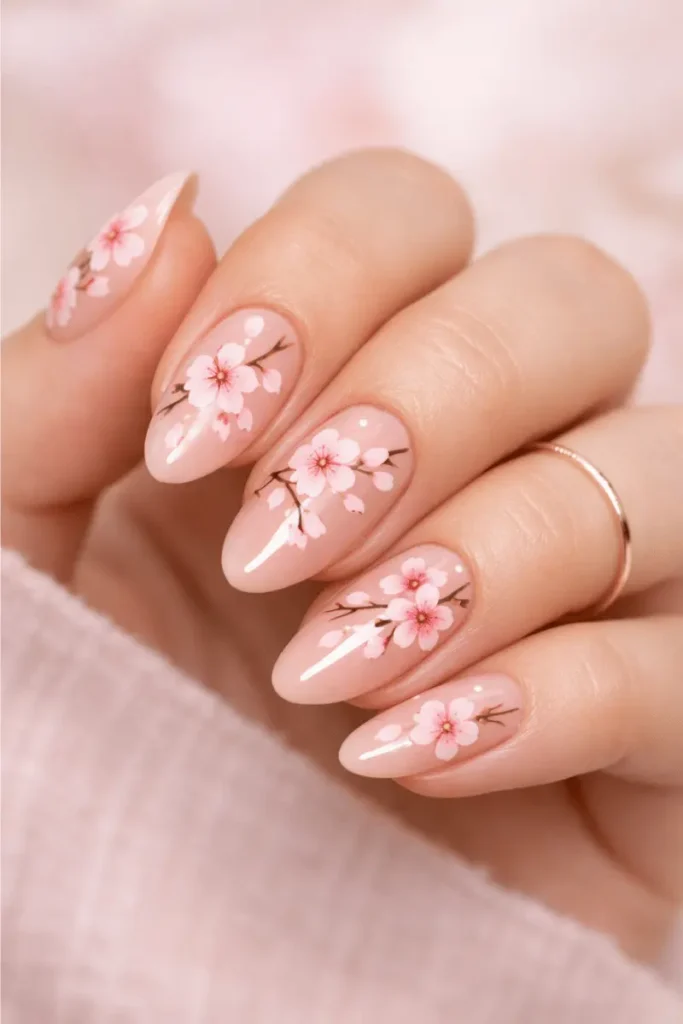
Begin by painting all nails with a nude or sheer base. Pick your feature nails (usually ring finger and/or middle finger). On those nails, add wildflowers using dots and short brush strokes. You can paint small daisies, tiny pink buds, and thin stems—keep it light and airy rather than packed.
A good beginner trick is to use nail stickers on the feature nails and hand-paint only a few small details around them. That still looks artistic, but it’s easier. When you’re done, use a top coat on every nail for the same glossy finish. This style is also easy to match with any outfit.
8) Sage/Olive Base + Tiny White-and-Yellow Wildflowers
A sage or olive base feels earthy and trendy, and it makes white-and-yellow wildflowers pop. The contrast looks fresh and modern, kind of like wildflowers growing in a green field. This is a great option if you want a bolder base color but still want soft, cute details on top.
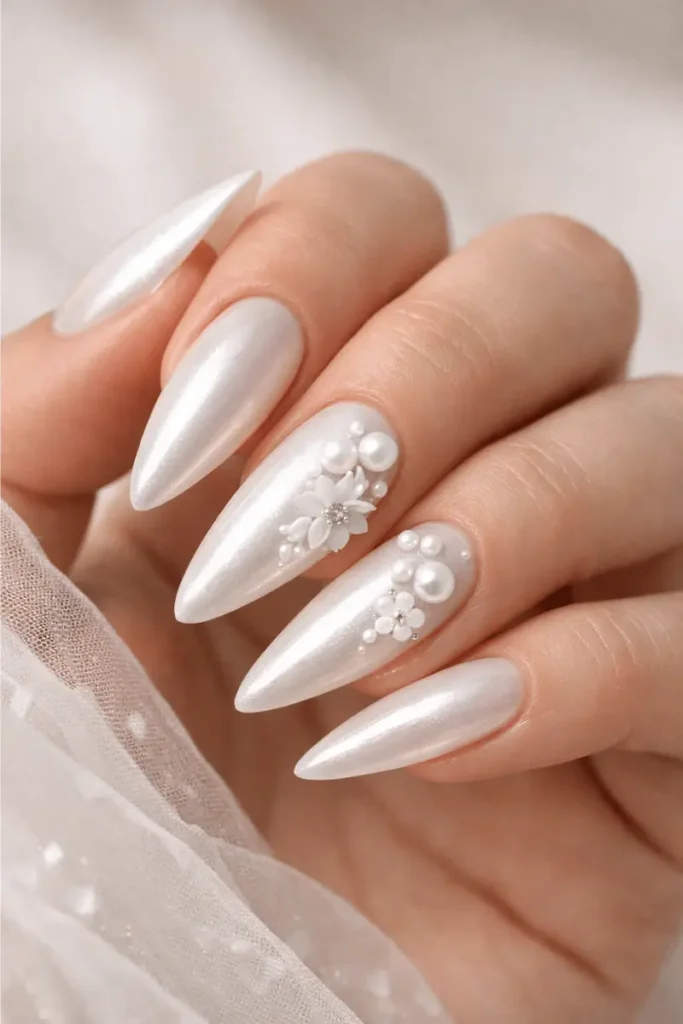
Paint two coats of sage or olive polish and let them dry well. Then create tiny daisies: dot a small circle of white petals and add a yellow center. If you’re new to nail art, make the flowers small and simple. You can place one flower near the corner of each nail, or cluster 2–3 flowers on accent nails.
To make it look extra “wild,” add a few tiny white dots and thin green stems around the flowers. Don’t overdo it—small details go a long way. Finish with a top coat to smooth everything out. This design looks especially nice in spring and fall, and it works on both short and long nails.
9) Pastel “Skittle” Set + One Wildflower Type per Nail
A skittle manicure means each nail is a different color, usually within the same soft theme. For this version, each nail gets its own wildflower look—like daisies on one nail, tiny blue flowers on another, and small pink buds on the next. It’s playful and colorful, but pastels keep it gentle and pretty.
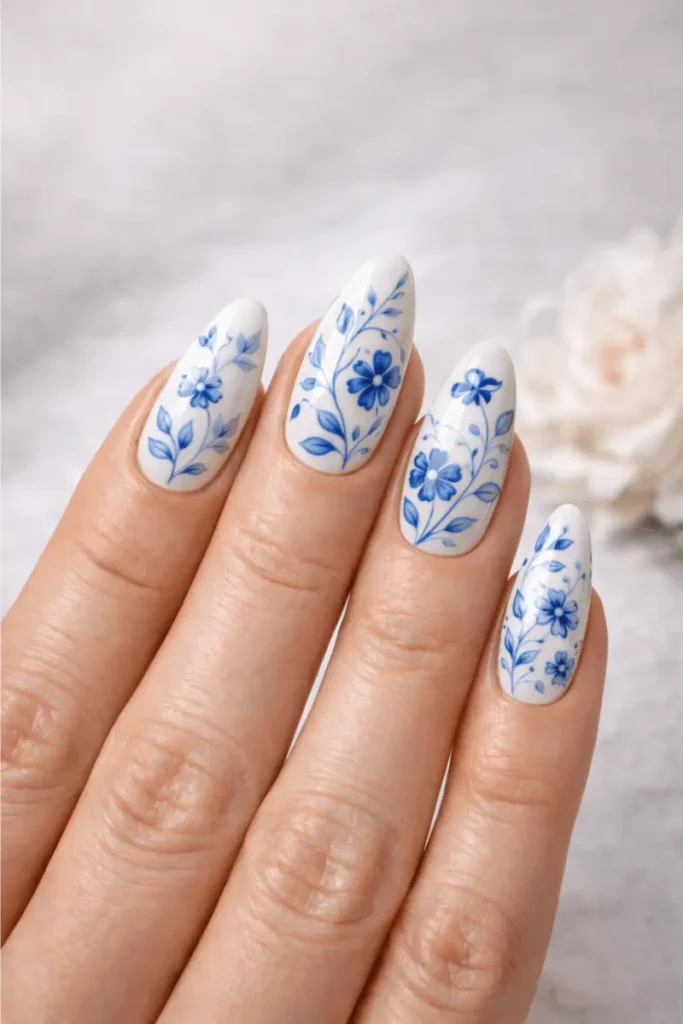
Pick 5 pastel shades you love (for example: mint, lilac, baby pink, pale yellow, and light blue). Paint each nail a different shade and let them dry completely. Then choose a simple flower for each nail. Keep the flower colors mostly white with small colored centers, so the set feels coordinated.
As a beginner, you can do the flowers with dot tools and a toothpick—no fancy brushes needed. If painting a different flower on every nail feels hard, use the same flower shape but switch the center color to match each pastel base. Finish with a top coat for shine and to protect your art.
10) Watercolor Wash Background + Fine-Line Wildflowers
This design has a soft, dreamy background with delicate wildflowers drawn on top. The “watercolor” part looks like a gentle blended color, and the flowers are thin and simple. It’s artsy but still wearable. The trick is keeping the background soft and the flower details light, so it doesn’t look crowded.
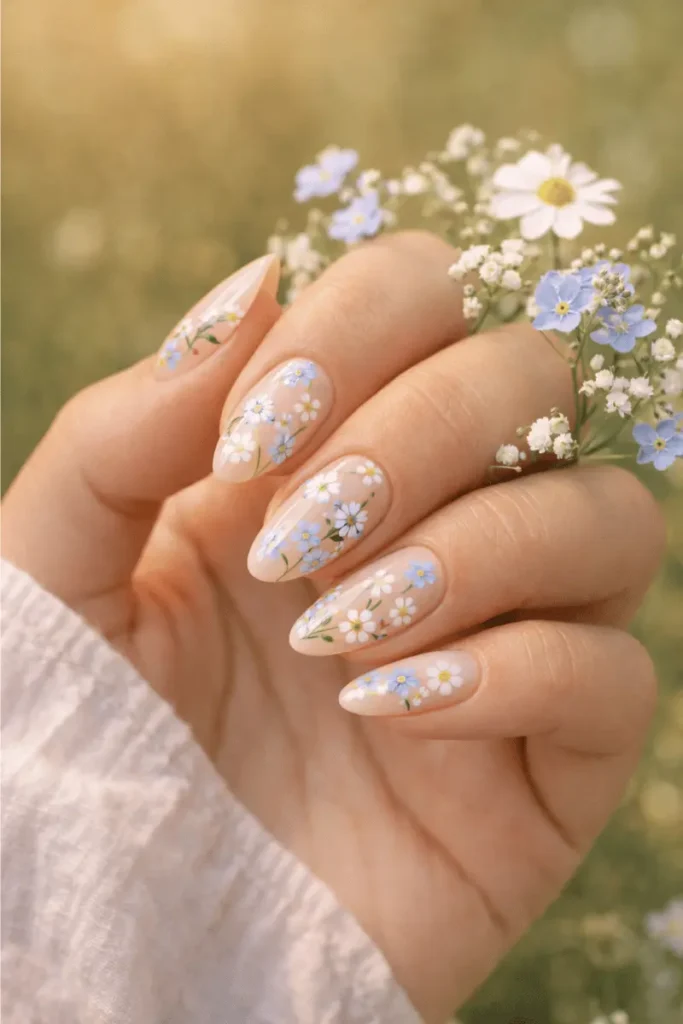
To create a beginner-friendly watercolor wash, dab a small amount of two similar pastel colors onto a makeup sponge. Lightly tap the sponge on the nail over a white or sheer base. Use very little polish at a time. The goal is a cloudy, blended look, not a solid block of color. Let it dry fully.
Then add fine-line flowers using a thin brush or toothpick. Draw thin green stems and add tiny dot petals in white or soft colors. If you’re nervous, do the watercolor on all nails and add flowers only on two accent nails. Finish with a top coat to blend everything and give it a smooth, polished finish.
11) Dark Base + Cream Wildflowers
Dark tones look warm, modern, and a little boho. Pairing that base with cream-colored wildflowers creates a soft contrast that feels stylish and different from the usual pink-and-white floral nails. It’s a great choice for autumn, but honestly it looks good all year if you like warm colors.
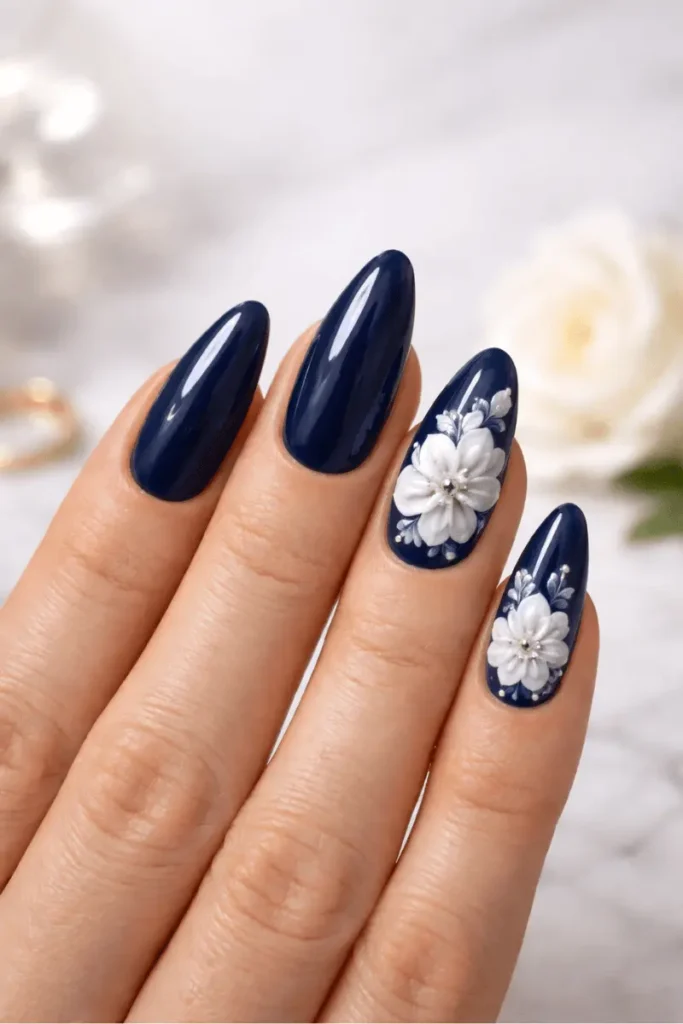
Start with two coats of terracotta or clay polish. Let it dry well, because lighter details show more if the base smudges. Then paint small cream flowers using a dotting tool or toothpick. Cream polish is easier than bright white because it looks softer and less “stark” on the warm base.
Add little yellow or brown dots in the center to match the warm theme. You can also add tiny green stems, but keep them minimal. If you want an easier version, use a cream floral sticker on one or two nails and paint tiny dots on the rest. Seal everything with a glossy top coat.
12) “Floating” Wildflowers on a Jelly Base
Jelly nails have a see-through, candy-like look. When you add wildflowers on top, it looks like the flowers are floating inside a tinted glass. This style feels light, fresh, and a bit magical. It’s perfect if you like sheer nails and want something more interesting than a plain tint.
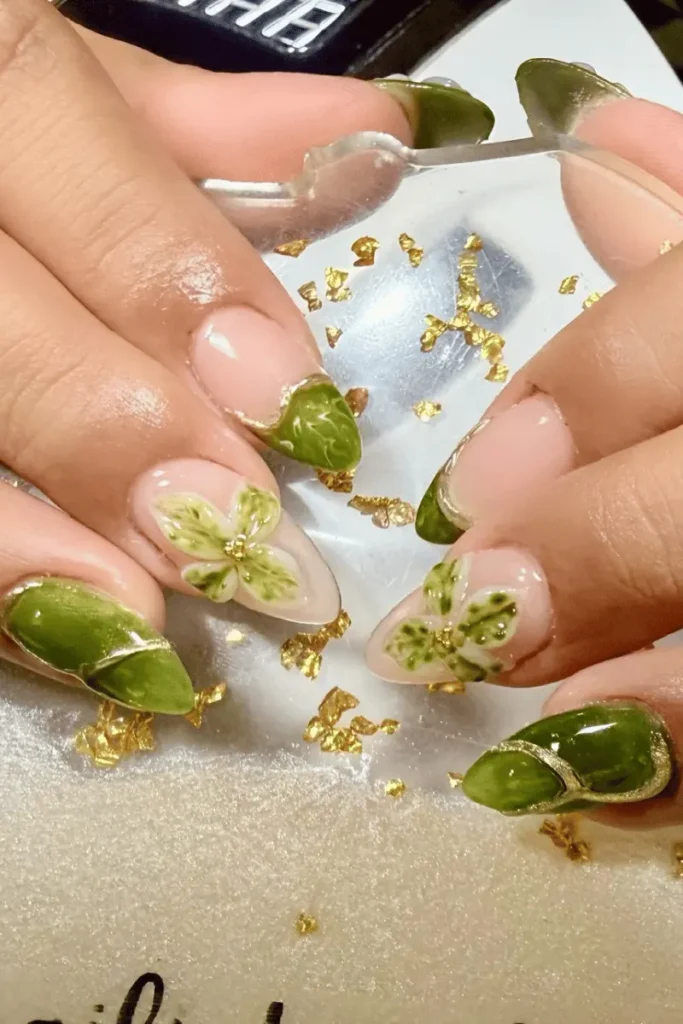
To make jelly polish at home, mix a small drop of colored polish into clear polish. Choose a soft color like pink, peach, or lilac. Apply two thin coats so it stays see-through. Let it dry. Then add tiny flower details with dot tools—small petals and little center dots work best.
Keep the flowers spaced out so the jelly effect can shine through. If you want even more “floating” vibes, add a little glitter or shimmer top coat before the flowers, then place the flowers on top. Finish with a clear glossy top coat to make the surface smooth and glassy.
13) Matte Base + Glossy Wildflower Details
Matte and glossy together create a beautiful contrast that looks fancy but is easy to do. You can use a matte base color (like nude, pastel, or sage), then add wildflowers and seal only the flowers with glossy top coat. The flowers catch the light while the background stays soft and velvety.
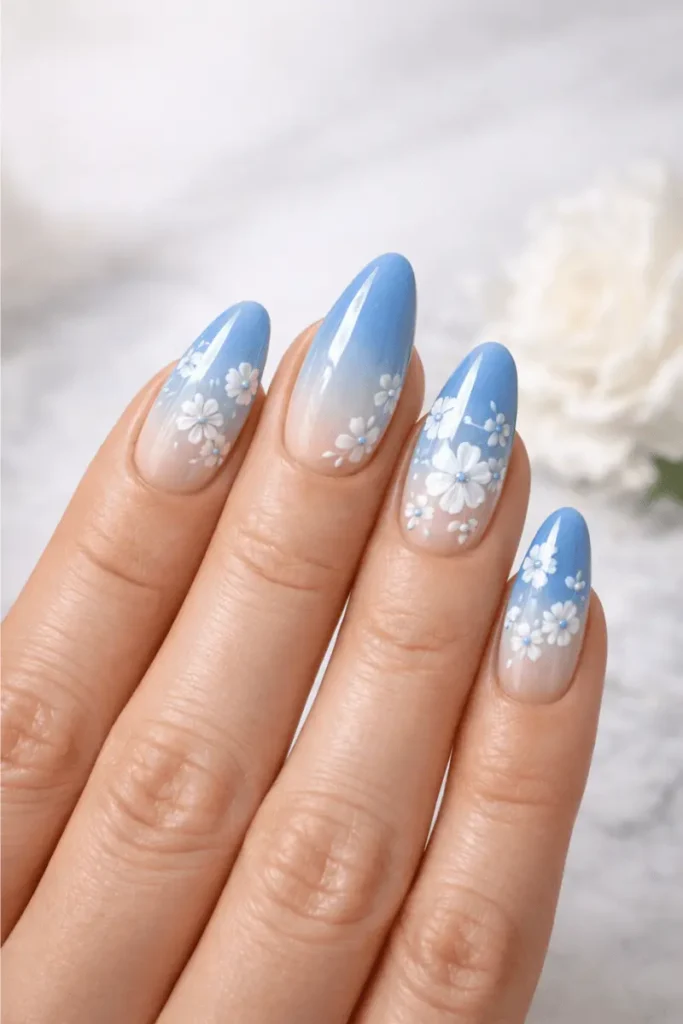
Start by painting your base color and letting it dry. Then apply a matte top coat to the whole nail. Once it’s fully dry, create small wildflowers using dots and thin lines. Don’t worry if your flowers aren’t perfect—matte backgrounds help hide tiny mistakes and make the details stand out.
For the glossy effect, use a small brush or the corner of a top coat brush to apply glossy top coat only over the flowers. If that feels hard, you can simply make everything matte except one glossy accent nail. This style is beginner-friendly and looks super modern, especially with simple white flowers.
14) Glitter Fade + Tiny Wildflower Decals
Glitter fades look like sparkles softly fading from the tip (or cuticle) into a clear or nude base. Adding tiny wildflower decals on top makes it look romantic and special—like a sparkling garden. It’s also a great beginner choice because decals do most of the work for you.
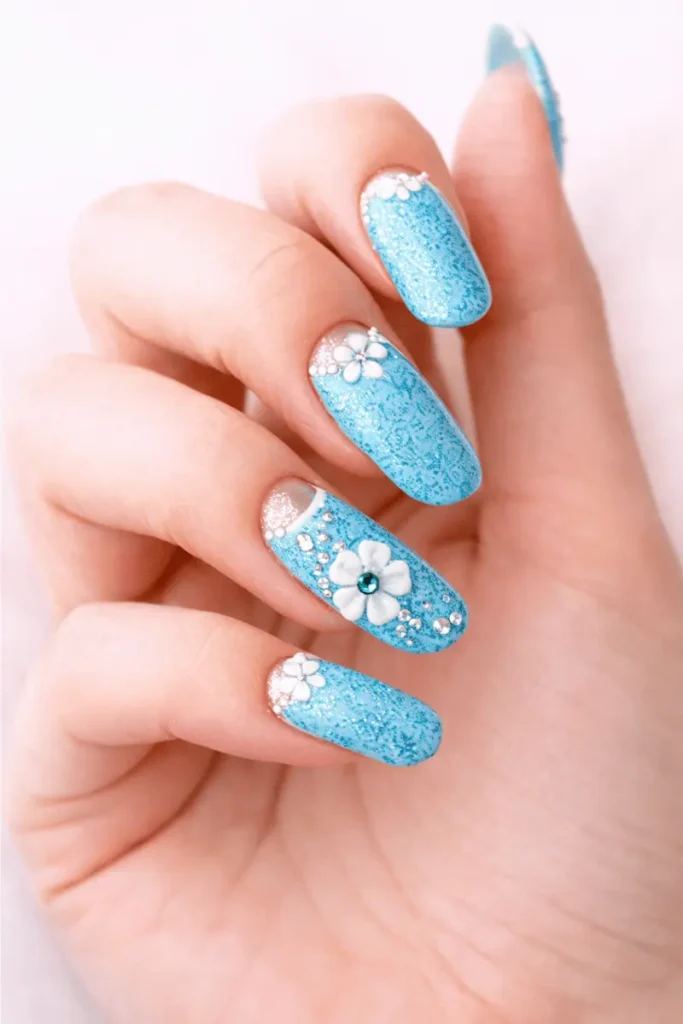
Paint a nude or sheer base and let it dry. Then apply glitter polish near the tip and gently drag it downward with the brush so it fades. If your glitter polish is thick, use a small sponge to dab glitter where you want it strongest. Let it dry completely before adding decals.
Place tiny wildflower decals or stickers on top of the glitter fade. Use tweezers if you have them, or a toothpick with a tiny bit of water. Press them down gently. Finish with a clear top coat to seal the edges. This style looks extra cute for parties, weddings, or vacation nails.
15) Pressed Baby’s-Breath or Tiny Violet Petals Only
This design is all about delicate real-flower vibes. Baby’s-breath pieces or tiny violet petals look super soft and minimal, almost like nature-inspired jewelry for your nails. It’s perfect if you want something elegant and subtle. The key is using very small pieces so the nails don’t look bulky.
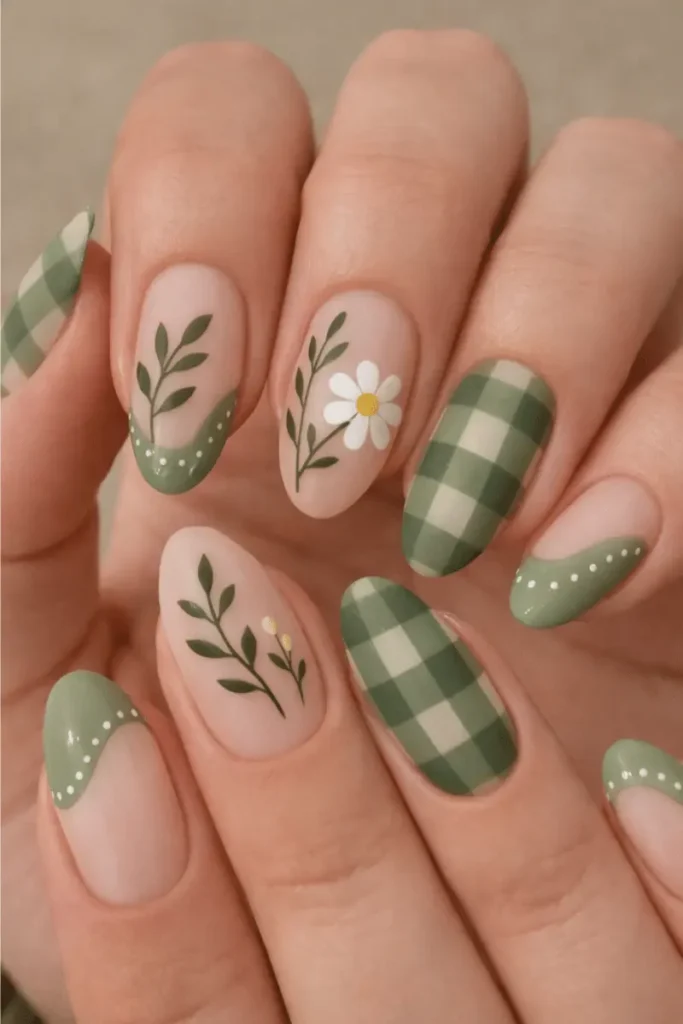
Start with a sheer nude, milky white, or light pink base. When it’s slightly tacky, place one tiny flower piece on the nail. If you’re using real dried flowers, cut them into small sections so they fit your nail. Less is more here—one small piece can look more expensive than a full cluster.
Seal the flower with a thick clear top coat (or two layers). The first layer locks it in, and the second smooths it out so it doesn’t snag. If you want a more finished look, add a tiny gold foil flake near the flower. Finish with glossy top coat for that “sealed in glass” shine.