
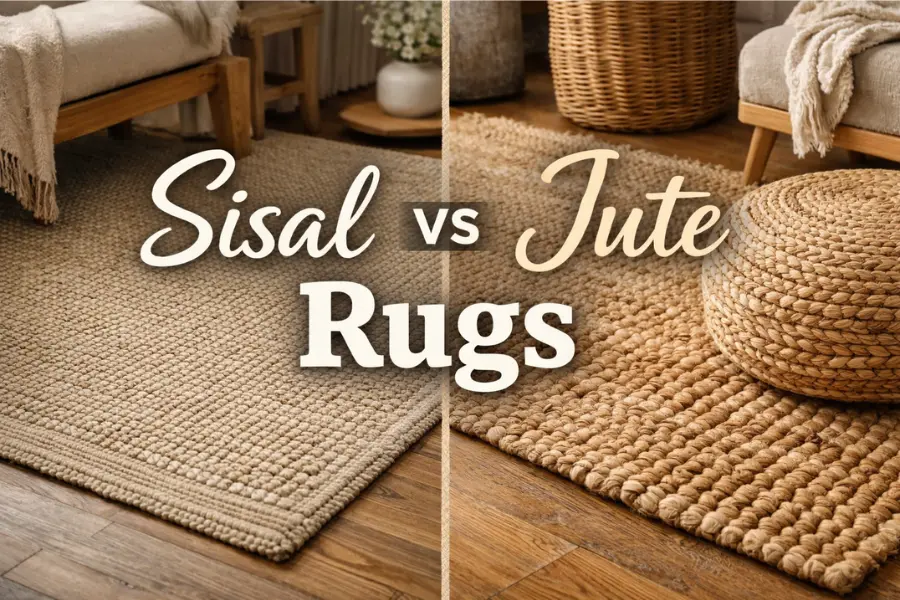
Sisal vs Jute Rugs: Which Natural Rug Is Better for Your Home?
Natural fiber rugs can change the whole feel of a room. I have used them in living rooms, bedrooms, entryways, and quiet reading corners, and they always bring in warmth, texture, and a relaxed finished look. But when people start shopping, they often stop at the same question: should you choose sisal or jute?
Both rugs have a natural look, but they do not feel the same or perform the same way. Sisal is usually known for its firmer texture and stronger wear, while jute is often chosen for its softer feel and cozy look. Both also need gentler care than many synthetic rugs because natural fibers do not handle too much moisture well.
In this guide, I will walk you through the real differences in simple words. By the end, you will know which rug works better for your style, your room, and the way you live every day.
What Are Sisal and Jute Rugs?
Before you compare them, it helps to understand what each one is and why they feel so different in a home.
What is a sisal rug?
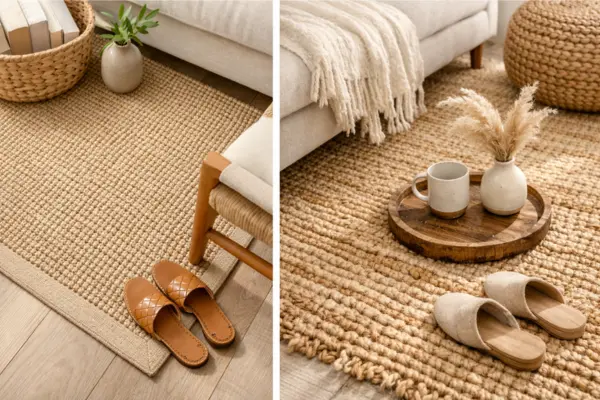
A sisal rug is made from fibers taken from the agave plant. It is one of the stronger natural rug fibers, which is why sisal is often recommended for busy areas of the home. It usually has a firm, textured surface and a more structured look than jute. Many sisal rugs also have tight weaves that make them feel neat, tailored, and clean in a room.
What is a jute rug?
A jute rug is made from natural plant fibers too, but it usually feels softer and more relaxed underfoot. Jute is popular because it adds easy warmth and a casual, lived-in style. Many decorating guides also point to jute as a great base for layering because it brings natural texture without looking too formal.
Why people compare sisal and jute so often
People compare these two because they both fit the same broad decorating style. They are neutral, earthy, and full of texture. Both can work in modern homes, organic spaces, coastal rooms, and relaxed family interiors. But once you look past the natural look, the differences become clear. Sisal usually suits function-first spaces better, while jute often suits comfort-first spaces better.
Sisal vs Jute Rugs: The Main Difference
The biggest difference between sisal and jute is how they feel and how they handle daily use.
If you want a rug that feels firmer, looks more structured, and stands up better in high-traffic areas, sisal is usually the better choice. If you want a rug that feels softer, looks warmer, and helps a room feel more relaxed, jute is often the better fit. That simple difference shapes almost every decorating decision you will make between the two.
Texture and feel underfoot
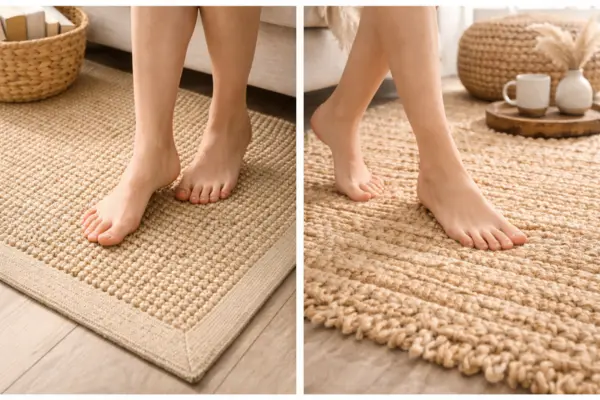
This is often the first thing people notice. Sisal has a rougher and firmer feel. It looks beautiful, but many people do not describe it as soft. Jute, on the other hand, is usually the gentler option under bare feet. That softer feel is one reason jute is so popular in bedrooms, sitting rooms, and cozy living spaces.
In my experience, texture matters more than people expect. A rug may look perfect online, but if you walk on it every day, comfort matters. In spaces where you sit, lounge, or walk barefoot, jute often feels more welcoming. In spaces where the rug is there to ground the room and handle movement, sisal can be the smarter choice.
Durability and daily wear
Sisal is usually considered one of the more durable natural rug fibers. It is often recommended for hallways, entryways, offices, and other parts of the home that get steady foot traffic. Jute is still strong enough for everyday decorating, but it is more often chosen for comfort and style rather than heavy wear.
That does not mean jute is fragile. It simply means sisal tends to hold up better when the room is busier. If you have children, pets, frequent guests, or a home that is always active, sisal may last better in your hardest-working spaces. If your room is more about softness and mood, jute often makes more sense.

Overall look and style
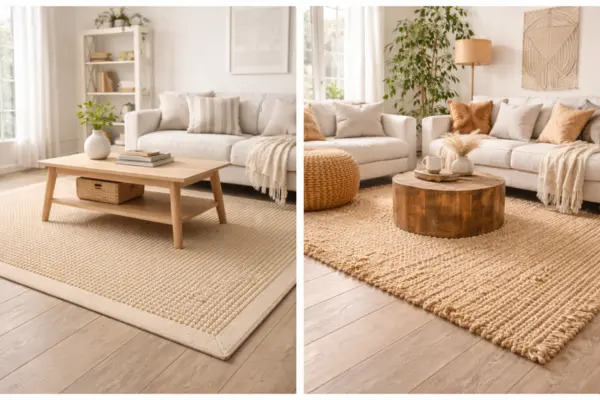
Sisal usually gives a room a cleaner and more tailored look. It works beautifully in modern spaces, minimal interiors, and homes where you want texture without too much softness. Jute gives off a warmer and more relaxed feeling. It works especially well in casual homes, layered bedding spaces, boho-inspired rooms, and places where you want natural materials to feel soft and easy.
This is why I always tell people to think about mood, not just material. Some rooms need crisp texture. Some need softness. Your rug should support the feeling you want the room to have.
Which Rug Is Better for Different Rooms?
The best rug is not just about the material itself. It is about where you plan to use it.
Best rooms for sisal rugs
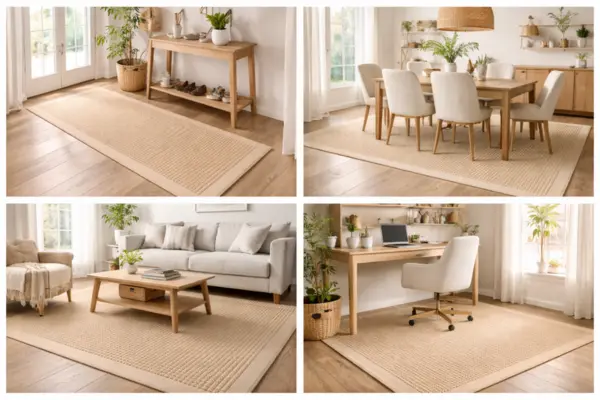
Sisal works especially well in entryways, hallways, dining rooms, and home offices because these spaces usually need durability more than softness. It also works well in living rooms that get a lot of movement and less lounging on the floor. Many sisal guides highlight these busy areas because sisal has a firm texture and strong natural fibers that suit regular use.
In an entryway, sisal can create a smart first impression. In a dining room, it can anchor the table with a simple, grounded look. In a home office, it adds texture without making the room feel too casual. I also like sisal in homes that lean modern or coastal, because it looks polished without feeling cold.
Best rooms for jute rugs
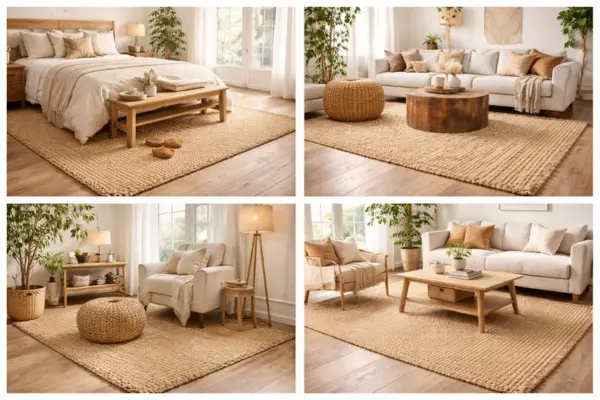
Jute is often a lovely choice for bedrooms, lounges, reading corners, and relaxed living rooms. Its softer feel and warm texture make it easier to live with in places where comfort matters more. Jute is also widely used in living spaces because it blends easily with many home styles and adds natural warmth.
In a bedroom, a jute rug can make the room feel calmer and more inviting. In a lounge or family room, it helps create a layered, comfortable feel that many homeowners want today. I also like jute under a coffee table or in a quiet corner with a chair and floor lamp, because it adds texture without making the space feel stiff.
What about kitchens and outdoor areas?
Natural fiber rugs can look beautiful in kitchens, but they need careful placement. Since sisal and jute are both sensitive to moisture, they are not the easiest choice in places with frequent spills, humidity, or water exposure. Rugs Direct notes that natural fiber rugs need more care than many synthetic options and should not be exposed to too much water, while its sisal cleaning guidance specifically warns against soaking, shampooing, steam cleaning, or power washing sisal.
Because of that, I would only use them in low-risk kitchen spots, such as a dry breakfast corner or a lightly used area away from the sink. For outdoor decoration, I would be cautious. Even though some retailers show sisal styling ideas for kitchen and outdoor living, moisture remains the main concern with natural fibers. For uncovered outdoor areas, a true outdoor rug is usually the more practical choice.
Are you looking at Rug Ideas For Living Room?
Comfort, Maintenance, and Real-Life Use
A beautiful rug still has to work in real life. That means you need to think about cleaning, shedding, and how the rug will feel after months of daily use.
Which rug is easier to clean?
Neither sisal nor jute is a low-effort, hose-it-off kind of rug. Natural fiber rugs need gentle care. Regular vacuuming helps, and spills should be blotted quickly, but too much water can damage the fibers. Rugs Direct advises avoiding excessive moisture on natural fiber rugs, and its sisal care guide also recommends dry-cleaning methods instead of soaking or steam cleaning.
This is where a lot of decorating mistakes happen. People choose a natural rug for the look, then place it somewhere messy without thinking about upkeep. In my experience, it is much better to use sisal and jute in places where you can reasonably protect them and care for them gently.
Do jute rugs shed?
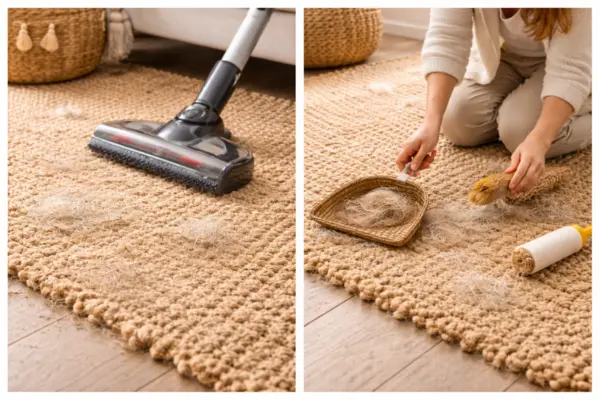
Yes, jute rugs do tend to shed, especially in the beginning. That is one of the most common points mentioned in jute care guides. The shedding often improves over time, but it is something to expect, especially with new rugs.
That does not mean you should avoid jute. It just means you should go in with the right expectations. If you love a clean, low-fuss floor every day, jute may test your patience a little at first. If you care more about softness and natural character, the trade-off may still be worth it.
Which one works better for homes with kids or pets?
For harder daily wear, sisal is often the safer choice because it is generally the more durable fiber. That said, texture also matters. Some people may not love the firmer feel of sisal in rooms where children sit and play on the floor. Jute can feel softer and more comfortable, but it may not be the strongest option for the busiest family spots.
When I help people choose rugs for active homes, I usually tell them to separate comfort zones from traffic zones. Use sisal where the house works hard. Use jute where the room is meant to feel easy and restful.

Which Rug Looks Better in Home Decoration?
Style always matters because a rug is not only functional. It also changes how a room feels.
Sisal for clean and structured spaces
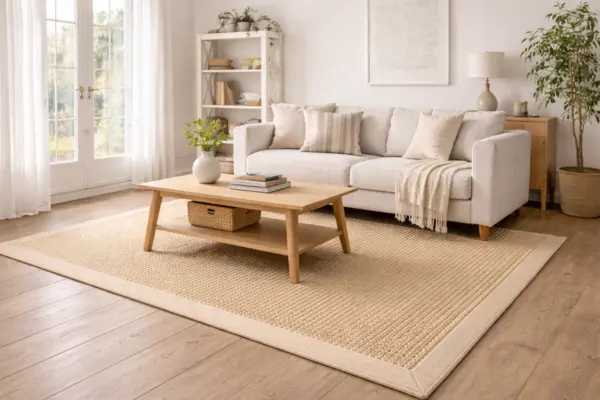
Sisal suits rooms that need definition. It works well with modern furniture, simple lines, neutral palettes, and spaces that need a tailored base. Because it often has a tighter weave and firmer texture, sisal helps a room feel more pulled together.
I especially like sisal in spaces that already have soft upholstery, curtains, and cushions. The rug adds contrast and keeps the room from feeling too heavy or too fluffy. It brings balance.
Jute for warm and relaxed spaces
Jute is a wonderful choice when you want a room to feel warmer and more lived in. Its softer texture and earthy look suit relaxed interiors beautifully. Decorating guides often point to jute for natural warmth and layered styling, and that matches what I see in real homes too.
Jute works well with wood furniture, soft linen curtains, woven baskets, plants, and cozy throws. If you want a room to feel casual, welcoming, and easy to live in, jute usually supports that mood very naturally.
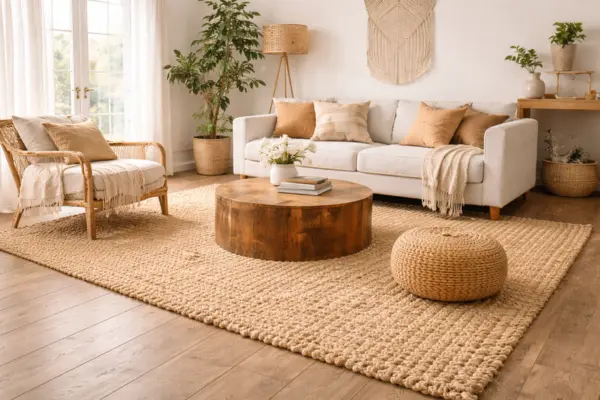
Which one is better for layering?
Jute is often the favorite for layered rug looks. Rugs Direct recommends using jute as a natural textured base and layering a softer accent rug on top for extra comfort and style. Sisal Rugs also notes that layered rugs can combine softness, texture, and variety in a room.
This is one of my favorite decorating tricks. A jute rug under a smaller patterned rug can make a room feel richer and more finished without looking too busy. It also helps define seating areas in open rooms. Sisal can be layered too, but jute usually gives a softer and more relaxed result.
Pros and Cons of Sisal Rugs
Every rug type has strengths and weaknesses, and sisal is no different.
Pros of sisal rugs
Sisal is a strong choice if you need durability, a structured look, and a rug that works hard in active spaces. It is widely described as one of the more durable natural fibers, and it often suits hallways, entryways, offices, and other busy parts of the home. It also gives a neat, timeless finish that works with many decorating styles.
Cons of sisal rugs
The main drawback is comfort. Sisal is usually firmer and rougher underfoot than jute. It also needs careful cleaning because natural fibers and too much moisture are not a good match. If you want something soft for bare feet or floor lounging, sisal may not be the most comfortable option.
Pros and Cons of Jute Rugs
Jute has its own very clear advantages, especially for softer and more decorative spaces.
Pros of jute rugs
Jute is usually loved for its softness, natural warmth, and relaxed style. It works beautifully in cozy rooms and is often used as a layering base because it adds texture without making the room feel formal. It also blends easily with many decorating styles, from rustic and boho to simple modern homes with warmer touches.
Cons of jute rugs
Jute can shed, especially when it is new, and it is not usually the first choice for the toughest high-traffic areas. Like sisal, it also needs gentle care and should not be exposed to too much moisture. So while it wins on comfort, it does ask for a little patience and smart placement.
How to Choose Between Sisal and Jute Rugs
The easiest way to choose is to think about what matters most in the room: comfort, durability, or style.
If your room gets a lot of daily traffic, choose sisal first. It will usually handle wear better and give you a cleaner, more structured finish. If your room is all about softness, warmth, and a relaxed mood, choose jute first. It will usually feel more inviting and look more casual.
I always suggest asking yourself a few simple questions before buying. Will people walk here all day? Will anyone sit or play on the floor? Do you want the room to feel polished or cozy? Are you happy to do gentle maintenance? The answers usually make the decision much easier.
My practical rule for decorating with natural rugs
Use sisal where you need strength. Use jute where you need softness. That one rule works surprisingly well in most homes.
If you are decorating a hallway, entry, or work area, sisal often gives the better result. If you are decorating a bedroom, lounge, or soft living space, jute often feels better and looks more relaxed. When in doubt, think about how the room should feel when someone steps into it. That usually points you to the right rug.
Conclusion
Sisal and jute rugs may look similar at first, but they serve different purposes in a home. Sisal is usually the better choice for durability, structure, and high-traffic spaces. Jute is usually the better choice for softness, warmth, and relaxed decorative style. Both bring beautiful natural texture, and both need thoughtful care because natural fibers do not love too much moisture.
From years of decorating rooms with natural materials, my advice is simple: do not choose only with your eyes. Choose with your lifestyle too. The right rug should look beautiful, feel right in the room, and make everyday living easier. When you match the rug to the way you actually use the space, your home will feel more finished and far more comfortable.
FAQs
This final section answers the questions that come up most often when people are choosing between sisal and jute rugs.
Is sisal or jute better for a living room?
It depends on how you use the living room. If it is a busy room with a lot of foot traffic, sisal is often the stronger choice because it is more durable. If it is a softer, more relaxed space where comfort matters more, jute is often the better fit because it feels gentler and warmer.
Which rug is softer, sisal or jute?
Jute is usually softer underfoot than sisal. That is one of the biggest reasons people choose it for bedrooms, lounges, and layered living spaces.
Are sisal rugs more durable than jute rugs?
In general, yes. Sisal is widely described as one of the more durable natural fibers and is often recommended for high-traffic areas.
Do jute rugs shed more than sisal rugs?
Jute rugs do tend to shed, especially when they are new. That is a normal part of owning many jute rugs, although it often settles down with time.
Are sisal and jute rugs easy to clean?
They are manageable, but not carefree. Both need gentle cleaning, quick attention to spills, and limited moisture exposure. Sisal especially should not be soaked, steam cleaned, or power washed.
Which rug is better for layering?
Jute is often preferred for layering because it gives a softer, more relaxed base and works well under smaller accent rugs.
Can you use sisal or jute rugs in a bedroom?
Yes, but jute is often the more comfortable choice for bedrooms because it is softer underfoot. Sisal can still work if you want a cleaner and more structured look and do not mind the firmer feel.
Are these rugs good for kitchens or outdoor spaces?
They can work in carefully chosen spots, but moisture is the main issue. Because natural fibers are sensitive to water, they are not usually the most practical option for wet kitchen zones or exposed outdoor areas.